
Top Reasons for Tooth Sensitivity: Causes and Effective Relief Methods
- Common Causes of Tooth Sensitivity
- How Dental Hygiene Affects Sensitivity
- Foods and Drinks That Trigger Tooth Pain
- How to Relieve Tooth Sensitivity
- Long-Term Solutions for Sensitive Teeth
Common Causes of Tooth Sensitivity
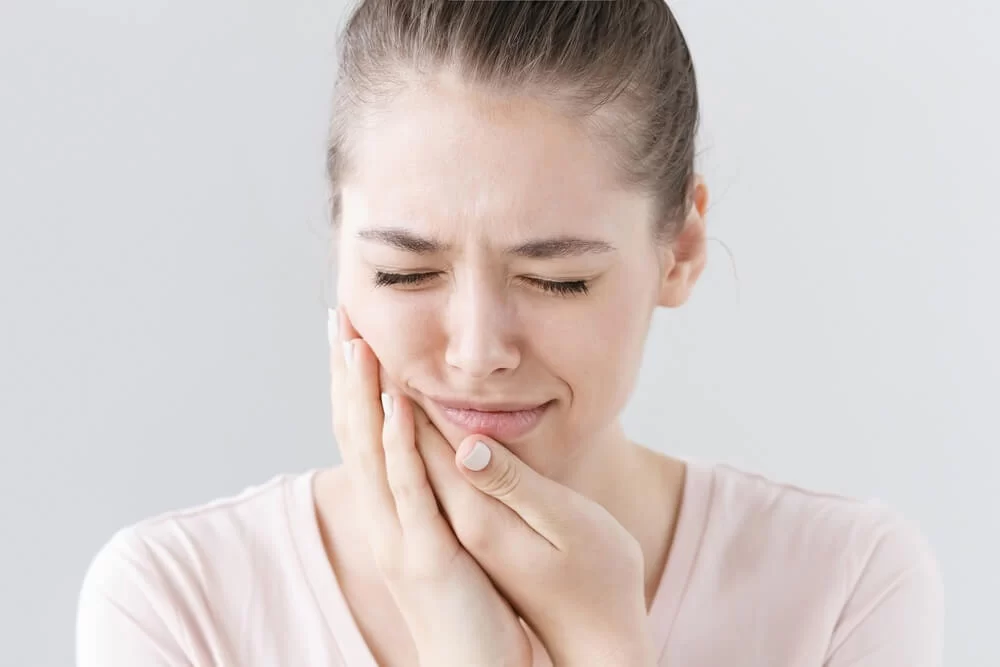
Tooth sensitivity is a common issue affecting many people. It can manifest as sharp pain when consuming hot, cold, sweet, or acidic foods and drinks. Understanding the top reasons for tooth sensitivity can help in managing the condition effectively. Below are some of the most common causes:
- Worn Tooth Enamel: The protective enamel on your teeth can wear down over time due to factors like brushing too hard or acidic foods, exposing the sensitive dentin beneath.
- Gum Recession: When gums recede, the root surfaces of teeth become exposed, which can lead to heightened sensitivity, especially when eating or drinking cold or hot substances.
- Tooth Decay: Cavities can cause sensitivity because they create openings that expose nerves inside the teeth, leading to pain and discomfort when triggered by temperature changes.
- Cracked Teeth: Cracks or fractures in the teeth can also cause sensitivity as they allow stimuli to reach the nerves directly.
- Dental Work: Certain dental procedures, such as fillings or teeth whitening treatments, can cause temporary sensitivity. This is often short-lived but can be a concern for some people.
- Bruxism (Teeth Grinding): Grinding your teeth, particularly at night, can wear down enamel and contribute to tooth sensitivity over time.
How Dental Hygiene Affects Sensitivity
Dental hygiene plays a significant role in preventing and managing tooth sensitivity. Poor dental care practices, such as infrequent brushing, improper flossing, or using a hard-bristled toothbrush, can contribute to the problem. In particular:
- Improper Brushing: Brushing with too much force or using a hard-bristled toothbrush can wear away the enamel on your teeth, leading to increased sensitivity.
- Neglecting Flossing: Failing to floss regularly can lead to plaque buildup and gum disease, which can both contribute to gum recession and enamel erosion.
- Not Visiting the Dentist: Regular dental checkups are essential for catching early signs of tooth decay, gum recession, or other issues that may cause sensitivity. Early intervention can help prevent more serious damage.
Maintaining a balanced oral hygiene routine with gentle brushing and regular flossing can help prevent tooth sensitivity from developing or worsening.
Foods and Drinks That Trigger Tooth Pain
If you experience tooth sensitivity, certain foods and beverages may trigger discomfort. Understanding which ones to avoid or consume in moderation can help you manage the pain more effectively. Some common culprits include:
- Hot Beverages: Coffee, tea, and other hot drinks can cause a sharp, sudden pain if your teeth are sensitive, especially if enamel is worn down.
- Cold Foods and Drinks: Ice cream, cold water, and chilled drinks are often a cause of sensitivity, particularly when they come in direct contact with exposed dentin.
- Acidic Foods: Citrus fruits, tomatoes, and carbonated drinks can erode enamel over time, making your teeth more sensitive to other triggers.
- Sugary Foods: Sweet snacks and beverages can contribute to tooth decay, which is a significant cause of tooth sensitivity.
Being mindful of your diet and avoiding extreme temperatures and overly acidic or sugary foods can help reduce the discomfort caused by tooth sensitivity.
How to Relieve Tooth Sensitivity
There are various ways to relieve tooth sensitivity, depending on the cause and severity of your condition. Here are some effective methods for managing sensitivity:
- Use a Desensitizing Toothpaste: Toothpastes formulated specifically for sensitive teeth contain compounds that help block the transmission of pain from the tooth surface to the nerve.
- Switch to a Soft-Bristled Toothbrush: A soft-bristled toothbrush will be gentler on your enamel and gums, reducing the risk of wear and further sensitivity.
- Try Fluoride Treatments: Fluoride can help strengthen enamel and reduce sensitivity. Ask your dentist about professional fluoride treatments or use fluoride mouth rinses at home.
- Avoid Acidic Foods and Drinks: Cutting back on acidic foods and drinks can prevent further erosion of your enamel and reduce the likelihood of sensitivity.
Long-Term Solutions for Sensitive Teeth
For those dealing with chronic tooth sensitivity, long-term solutions may be necessary. These solutions are typically provided by a dentist and may include:
- Dental Sealants: A sealant applied to the surface of your teeth can protect them from temperature extremes and reduce sensitivity.
- Gum Grafting: If gum recession is the cause of sensitivity, a gum graft can help restore the gum tissue and protect the exposed roots.
- Root Canal Therapy: For severe cases where tooth sensitivity is due to nerve damage or infection, a root canal may be recommended to alleviate pain and save the tooth.
Consulting with your dentist is the best way to determine which long-term treatment options are right for you.
If you're struggling with tooth sensitivity, it's important to understand the underlying causes and how to manage them effectively. For more personalized advice and treatments, visit Dentistry Toothtruth for expert guidance on relieving and preventing tooth sensitivity.






 Island Coast Dentistry5.0 (302 review)
 Robert Niles5.0 (2 review)
 Amir Sobhi, DMD5.0 (1 review)
 Elmwood Park Cosmetic Dentistry5.0 (1 review)
 Dr. James K. Park, DDS5.0 (2 review)
 Valleywise Community Health Center - Mesa3.0 (252 review)
 The Importance of Oral Health Education During Pregnancy for a Healthy Pregnancy
 Best Tips for Brushing Your Teeth Properly for Healthy Gums: Essential Techniques for Oral Health
 Why Skipping Dental Checkups Can Lead to Bigger Oral Health Problems
 Advantages of Porcelain Dental Restorations
 How Can Diabetes Cause Tooth and Gum Problems? Preventing and Managing Oral Health Issues
 Healthy Habits for Promoting Good Oral Health and Hygiene: Tips for a Healthy Smile