
Top Dental Treatments for Tooth Sensitivity: Effective Solutions for Your Teeth
- What is Tooth Sensitivity?
- What Causes Tooth Sensitivity?
- Top Dental Treatments for Tooth Sensitivity
- At-Home Remedies for Sensitive Teeth
- How to Prevent Tooth Sensitivity
- Real-Life Case Studies: How Dental Treatments Helped
- When to See a Dentist for Tooth Sensitivity
What is Tooth Sensitivity?
Tooth sensitivity, also known as dentin hypersensitivity, refers to a discomfort or pain in teeth when exposed to certain stimuli such as hot or cold temperatures, sweet foods, or even air. This common dental issue can range from mild discomfort to intense pain, often causing a significant impact on daily life.
Understanding the causes and the best ways to manage this condition is essential to restoring comfort and maintaining optimal oral health. Let’s explore the most effective treatments available for tooth sensitivity.
What Causes Tooth Sensitivity?
Tooth sensitivity occurs when the soft tissue inside the tooth, called the pulp, becomes exposed to external elements due to the erosion of enamel or receding gums. Common causes include:
1. Enamel Erosion
Over time, acidic foods, drinks, and poor oral hygiene can wear away enamel, leaving the underlying dentin exposed and making the teeth more sensitive to stimuli.
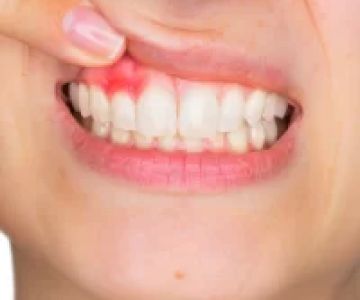
2. Gum Recession
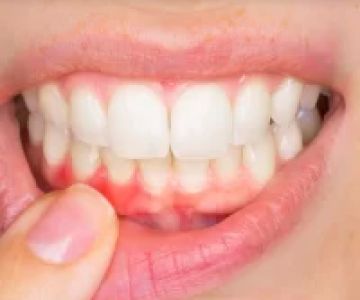
When gums recede, the roots of the teeth are exposed, which lack the protective enamel that the rest of the tooth has. This makes the teeth more vulnerable to sensitivity.
3. Tooth Grinding
Grinding or clenching your teeth can wear down enamel and cause the teeth to become more sensitive.
4. Dental Procedures
Some dental procedures like fillings, cleanings, and whitening can temporarily increase tooth sensitivity. This often fades within a few weeks.
5. Underlying Dental Issues
Conditions such as cavities, cracked teeth, or gum disease can also contribute to sensitivity, as they expose the inner parts of the tooth.
Top Dental Treatments for Tooth Sensitivity
While there are many home remedies for tooth sensitivity, seeking professional dental treatment can offer lasting relief. Here are the top dental treatments for sensitive teeth:
1. Desensitizing Toothpaste
One of the first and most effective treatments your dentist may recommend is the use of desensitizing toothpaste. These toothpastes contain compounds that block the transmission of pain signals from the surface of the tooth to the nerve, offering relief from sensitivity.
2. Fluoride Gel Application
Your dentist may apply a fluoride gel to your teeth, which helps strengthen the enamel and reduce sensitivity. Fluoride can also help remineralize areas where enamel has been worn away.
3. Dental Sealants
For individuals with severe sensitivity, your dentist might recommend dental sealants. These are protective coatings applied to the surface of the teeth, which block external stimuli from reaching sensitive areas.
4. Gum Grafting
For those with gum recession, a gum graft can be performed to cover exposed tooth roots and restore the gumline. This treatment is effective in preventing further gum loss and alleviating sensitivity caused by receding gums.
5. Root Canal Therapy
If the sensitivity is severe and caused by nerve damage or infection, a root canal may be required. This procedure removes the infected tissue inside the tooth and eliminates the pain associated with sensitivity.
At-Home Remedies for Sensitive Teeth
In addition to professional treatments, there are several effective at-home remedies you can try to manage tooth sensitivity. While these may not offer a permanent solution, they can provide temporary relief:
1. Salt Water Rinse
Rinsing with warm salt water can help reduce inflammation and soothe sensitive gums.
2. Avoid Acidic Foods and Drinks
Acidic foods and beverages can erode enamel and worsen tooth sensitivity. Limiting your intake of acidic substances can help protect your teeth from further damage.
3. Use a Soft-Bristled Toothbrush
A soft-bristled toothbrush reduces abrasion on your teeth and gums, minimizing irritation and helping prevent gum recession.
4. Oil Pulling
Some individuals find relief from sensitivity by swishing coconut oil in their mouths. This practice, known as oil pulling, may help reduce bacteria and promote gum health.
How to Prevent Tooth Sensitivity
Preventing tooth sensitivity involves a combination of good oral hygiene practices and lifestyle changes. Here are some tips to help you maintain healthy teeth:
1. Brush Gently
Brushing too hard can wear down your enamel and contribute to gum recession. Always use gentle, circular motions when brushing your teeth.
2. Regular Dental Checkups
Routine dental exams allow your dentist to catch potential issues early and recommend treatments that prevent sensitivity from developing.
3. Avoid Teeth Grinding
If you grind your teeth, especially at night, talk to your dentist about getting a custom mouthguard to protect your teeth from damage.
Real-Life Case Studies: How Dental Treatments Helped
Here are two real-life examples of how dental treatments can effectively address tooth sensitivity:
Case 1: Emily's Successful Gum Grafting
Emily, 42, had been experiencing severe tooth sensitivity due to gum recession. After consulting with her dentist, she underwent gum graft surgery, which not only alleviated her sensitivity but also improved her overall oral health by restoring her gumline.
Case 2: Mark's Relief with Desensitizing Toothpaste
Mark, 29, struggled with sensitivity due to enamel erosion from acidic beverages. By switching to a desensitizing toothpaste and following his dentist's recommendations, Mark found significant relief and was able to continue enjoying his favorite foods without discomfort.
When to See a Dentist for Tooth Sensitivity
If you experience persistent or severe tooth sensitivity, it's important to consult with your dentist. Ignoring the problem could lead to more serious dental issues that require costly treatments. Your dentist can determine the cause of your sensitivity and recommend the best course of action to alleviate the pain and prevent future problems.
Don't wait until the pain becomes unbearable—schedule an appointment with your dentist today and take the first step toward finding lasting relief for tooth sensitivity. For more information, visit Dentistry Toothtruth.

 Plum Grove Dental Center5.0 (290 review)
 Brian Kerr DMD, PS4.0 (827 review)
 Gorham Village Dental4.0 (267 review)
 Tranquility Dental Wellness4.0 (500 review)
 Silicon Valley Center for Cosmetic Dentistry: Gabriel Cano, DDS4.0 (86 review)
 Promenade Dental Group and Orthodontics4.0 (347 review)
 The Importance of Oral Health Education During Pregnancy for a Healthy Pregnancy
 Best Tips for Brushing Your Teeth Properly for Healthy Gums: Essential Techniques for Oral Health
 Why Skipping Dental Checkups Can Lead to Bigger Oral Health Problems
 Advantages of Porcelain Dental Restorations
 How Can Diabetes Cause Tooth and Gum Problems? Preventing and Managing Oral Health Issues
 Healthy Habits for Promoting Good Oral Health and Hygiene: Tips for a Healthy Smile