
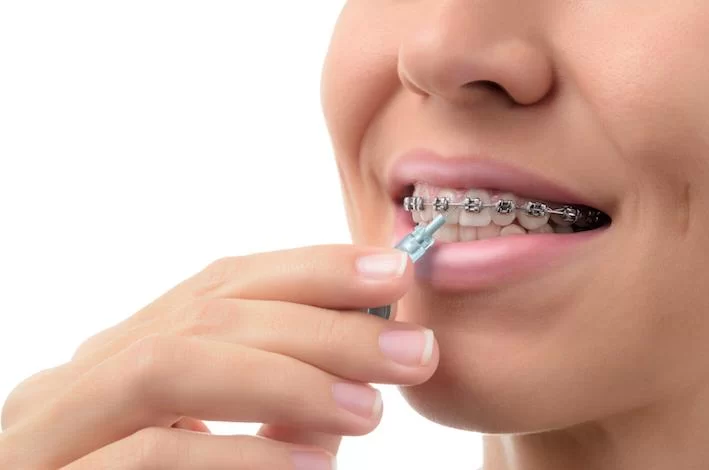
Tooth Decay and Orthodontic Braces: How to Protect Your Teeth During Treatment
- Introduction
- Understanding Tooth Decay
- How Orthodontic Braces Affect Tooth Health
- Preventing Tooth Decay While Wearing Braces
- Dental Care Tips for Braces Wearers
- Conclusion
Wearing orthodontic braces is a common and effective way to straighten teeth, but it can also present challenges when it comes to maintaining good oral health. One of the biggest concerns for braces wearers is the risk of tooth decay. The brackets and wires can trap food particles and plaque, leading to an increased risk of cavities. In this article, we'll explore the connection between tooth decay and orthodontic braces, and provide valuable tips on how to prevent decay while undergoing treatment.
Understanding Tooth Decay
Tooth decay, also known as cavities or dental caries, occurs when the enamel on your teeth is damaged by acids produced by bacteria in your mouth. These acids are primarily formed when bacteria feed on sugars from food particles left on your teeth. Over time, the buildup of plaque and bacteria can lead to enamel erosion, which weakens your teeth and causes cavities.
How Orthodontic Braces Affect Tooth Health
While braces are designed to improve the alignment of your teeth, they can also create areas where food and plaque can accumulate more easily. The brackets and wires of the braces act as obstacles that prevent your toothbrush from reaching every surface of your teeth, especially around the edges of the brackets. This makes it harder to properly clean your teeth and can increase the chances of tooth decay if proper care isn't taken.
Additionally, sugary and sticky foods are more likely to stick to the braces, providing a constant supply of fuel for harmful bacteria. This can lead to plaque buildup and the eventual development of cavities if not addressed properly.
Preventing Tooth Decay While Wearing Braces
Even though wearing braces presents unique challenges, there are several effective ways to prevent tooth decay during your treatment:
- Brush and Floss Regularly: Brush your teeth after every meal and snack to remove food particles. Use a soft-bristled toothbrush and fluoride toothpaste. Don't forget to floss to clean between your teeth and around the braces.
- Use a Special Orthodontic Brush: Consider using an orthodontic brush or an interdental brush to clean around your braces more effectively. These brushes are specifically designed to clean the areas around the brackets and wires.
- Rinse with Mouthwash: Antiseptic mouthwash can help reduce plaque buildup and bacteria in your mouth. It also helps to keep your mouth fresh and clean throughout the day.
- Limit Sugary Foods: Minimize the consumption of sugary and sticky foods, such as candy and soda, which can stick to your braces and increase the risk of tooth decay.
- Regular Dental Checkups: Visit your dentist regularly for professional cleanings and checkups. Your dentist will be able to spot early signs of tooth decay and help you maintain your oral health during orthodontic treatment.
Dental Care Tips for Braces Wearers
In addition to the general oral hygiene tips mentioned above, here are a few more suggestions specifically for those wearing braces:
- Use a Water Flosser: A water flosser is a great tool for braces wearers to help remove food particles and plaque from hard-to-reach places, especially between brackets and wires.
- Be Careful with Hard or Sticky Foods: Avoid foods that can damage your braces, such as hard candies, ice, or sticky snacks like caramel, which can break wires or get stuck in your braces.
- Wear an Orthodontic Wax: If your braces cause irritation to your gums, use orthodontic wax to cover the brackets and prevent discomfort while eating or speaking.
Conclusion
While braces can make maintaining good oral health more challenging, following a strict dental hygiene routine and taking extra precautions can significantly reduce the risk of tooth decay. With regular brushing, flossing, and professional dental care, you can keep your teeth healthy and avoid complications during orthodontic treatment. Remember, your commitment to oral care will not only ensure the success of your braces treatment but also keep your smile looking great for years to come.
For more dental care tips, or if you're looking for orthodontic products, visit Dentistry Toothtruth.






 East Greenwich Family Dental | Dentist in East Greenwich RI | DMD4.0 (182 review)
 GK Dental4.0 (175 review)
 Aspen Dental - Oklahoma City, OK4.0 (618 review)
 Dr. Kimmy4.0 (111 review)
 La Verne Dental Group4.0 (220 review)
 Dental Associates4.0 (258 review)
 The Importance of Oral Health Education During Pregnancy for a Healthy Pregnancy
 Best Tips for Brushing Your Teeth Properly for Healthy Gums: Essential Techniques for Oral Health
 Why Skipping Dental Checkups Can Lead to Bigger Oral Health Problems
 Advantages of Porcelain Dental Restorations
 How Can Diabetes Cause Tooth and Gum Problems? Preventing and Managing Oral Health Issues
 Healthy Habits for Promoting Good Oral Health and Hygiene: Tips for a Healthy Smile