
Tooth Decay and the Use of Dental Sealants: A Protective Solution for Healthy Teeth
- 1. Overview: Understanding Tooth Decay and Dental Sealants
- 2. How Dental Sealants Work to Prevent Tooth Decay
- 3. The Benefits of Using Dental Sealants for Tooth Decay
- 4. How Dental Sealants Are Applied: The Process Explained
- 5. Real-Life Example: How Sealants Helped Prevent Tooth Decay
- 6. Conclusion: The Role of Dental Sealants in Tooth Decay Prevention
1. Overview: Understanding Tooth Decay and Dental Sealants
Tooth decay is one of the most common dental problems, affecting millions of people worldwide. It occurs when bacteria in the mouth feed on sugar and starches, producing acids that damage the tooth enamel. Over time, this damage leads to cavities and can even cause more severe dental issues.
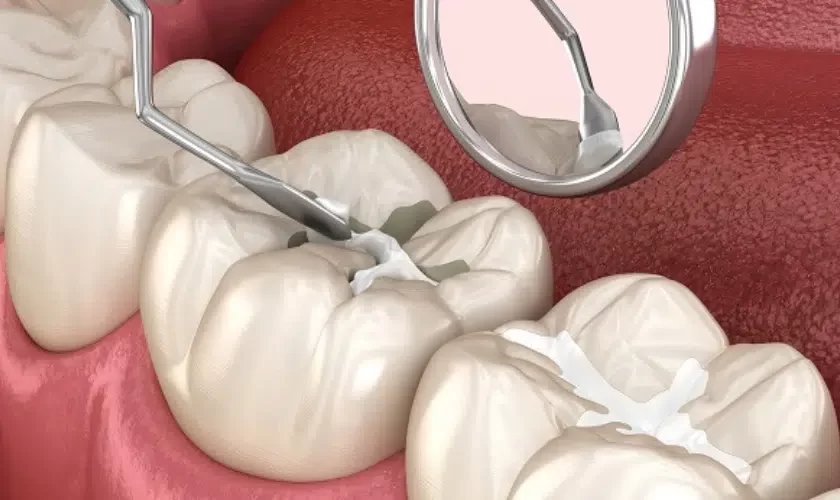
One effective way to prevent tooth decay is through the use of dental sealants. These are thin plastic coatings applied to the chewing surfaces of back teeth (molars) to protect them from cavities. Dental sealants act as a barrier, preventing bacteria and food particles from accumulating in the grooves of the teeth, thus reducing the risk of decay.
2. How Dental Sealants Work to Prevent Tooth Decay
Dental sealants are designed to provide a protective shield over the enamel of the teeth, especially in areas that are difficult to reach with a toothbrush. The sealant material flows into the pits and fissures of the back teeth, creating a smooth surface that makes it harder for bacteria to settle.
The primary function of dental sealants is to create a barrier between the teeth and harmful acids produced by the bacteria in the mouth. By sealing off these vulnerable areas, sealants effectively prevent cavities from forming, particularly in children and teenagers whose molars are more prone to decay.
3. The Benefits of Using Dental Sealants for Tooth Decay
Dental sealants offer several key benefits when it comes to preventing tooth decay:
- Prevention of Cavities: Sealants are highly effective at preventing cavities, particularly in the back teeth where decay is most likely to develop.
- Long-Lasting Protection: Sealants can last for several years, providing ongoing protection against tooth decay with minimal maintenance.
- Cost-Effective Solution: Preventing cavities with sealants is often more affordable than treating advanced decay with fillings or other dental procedures.
- Painless and Non-Invasive: The application of sealants is a quick and painless process, requiring no anesthesia or drilling, making it ideal for children and sensitive patients.
- Protects Vulnerable Teeth: Sealants are particularly beneficial for young children and teenagers, who are at a higher risk for tooth decay.
By offering an effective and non-invasive solution, dental sealants help keep teeth healthier for longer, reducing the need for more costly and complex dental treatments.
4. How Dental Sealants Are Applied: The Process Explained
The application of dental sealants is a straightforward and quick procedure. Here's how it works:
- Cleaning the Teeth: The dentist will begin by thoroughly cleaning the teeth to remove any plaque or food particles from the surfaces.
- Etching the Tooth Surface: A special gel is applied to the tooth to roughen the surface, allowing the sealant to bond more effectively.
- Applying the Sealant: The sealant material is painted onto the tooth surface, filling in the grooves and fissures.
- Curing the Sealant: A special light is used to harden the sealant, ensuring it stays in place and provides long-lasting protection.
- Final Check: The dentist will check to ensure the sealant is properly applied and make any necessary adjustments.
The entire process usually takes only a few minutes per tooth, and there is no need for recovery time. Sealants can be applied in a single visit, making it a convenient and hassle-free option for preventing tooth decay.
5. Real-Life Example: How Sealants Helped Prevent Tooth Decay
Consider the case of Sarah, a 9-year-old girl who had a history of frequent cavities. Her parents decided to have dental sealants applied to her molars to prevent further tooth decay. After the sealants were applied, Sarah's cavities were significantly reduced, and her teeth remained healthy for several years.
This real-life example highlights the importance of dental sealants in protecting teeth from decay. For children like Sarah, sealants provide an extra layer of protection against the harmful effects of sugar and bacteria, ensuring long-term dental health.
6. Conclusion: The Role of Dental Sealants in Tooth Decay Prevention
In conclusion, dental sealants are an effective and affordable solution for preventing tooth decay, particularly in vulnerable teeth like molars. They offer long-lasting protection, are easy to apply, and are an excellent way to safeguard your teeth from the damaging effects of cavities. Whether you're a parent looking to protect your child's teeth or an adult wanting to maintain your dental health, dental sealants can be an essential tool in preventing tooth decay.
If you're interested in learning more about dental sealants or want to explore products that can help protect your teeth from decay, visit Dentistry Toothtruth for more information and expert advice.






 Newport Pediatric Dentistry4.0 (421 review)
 Towncare Dental of Fort Myers3.0 (417 review)
 Jonathan Ochi, DDS5.0 (110 review)
 City Line Dentistry4.0 (54 review)
 ClearChoice Dental Implant Center4.0 (301 review)
 Grand Avenue Dental Center4.0 (422 review)
 The Importance of Oral Health Education During Pregnancy for a Healthy Pregnancy
 Best Tips for Brushing Your Teeth Properly for Healthy Gums: Essential Techniques for Oral Health
 Why Skipping Dental Checkups Can Lead to Bigger Oral Health Problems
 Advantages of Porcelain Dental Restorations
 How Can Diabetes Cause Tooth and Gum Problems? Preventing and Managing Oral Health Issues
 Healthy Habits for Promoting Good Oral Health and Hygiene: Tips for a Healthy Smile