
Essential Tooth Care and Oral Hygiene Habits for a Healthy Smile
- Why Oral Hygiene Matters
- Tooth Care Basics: Brushing and Flossing
- Other Important Oral Hygiene Habits
- Common Tooth Care Mistakes to Avoid
- Oral Hygiene for All Ages
- Maintaining a Healthy Smile for Life
Why Oral Hygiene Matters
Good oral hygiene is crucial for maintaining healthy teeth and gums, preventing cavities, gum disease, and even more serious conditions like heart disease. It also plays a significant role in your overall health and self-confidence. Brushing, flossing, and visiting the dentist regularly all contribute to a healthy smile and prevent the build-up of plaque and bacteria that can lead to oral problems.
Tooth Care Basics: Brushing and Flossing
The foundation of oral hygiene begins with brushing and flossing. Let’s break down the best practices for each:
Brushing Your Teeth
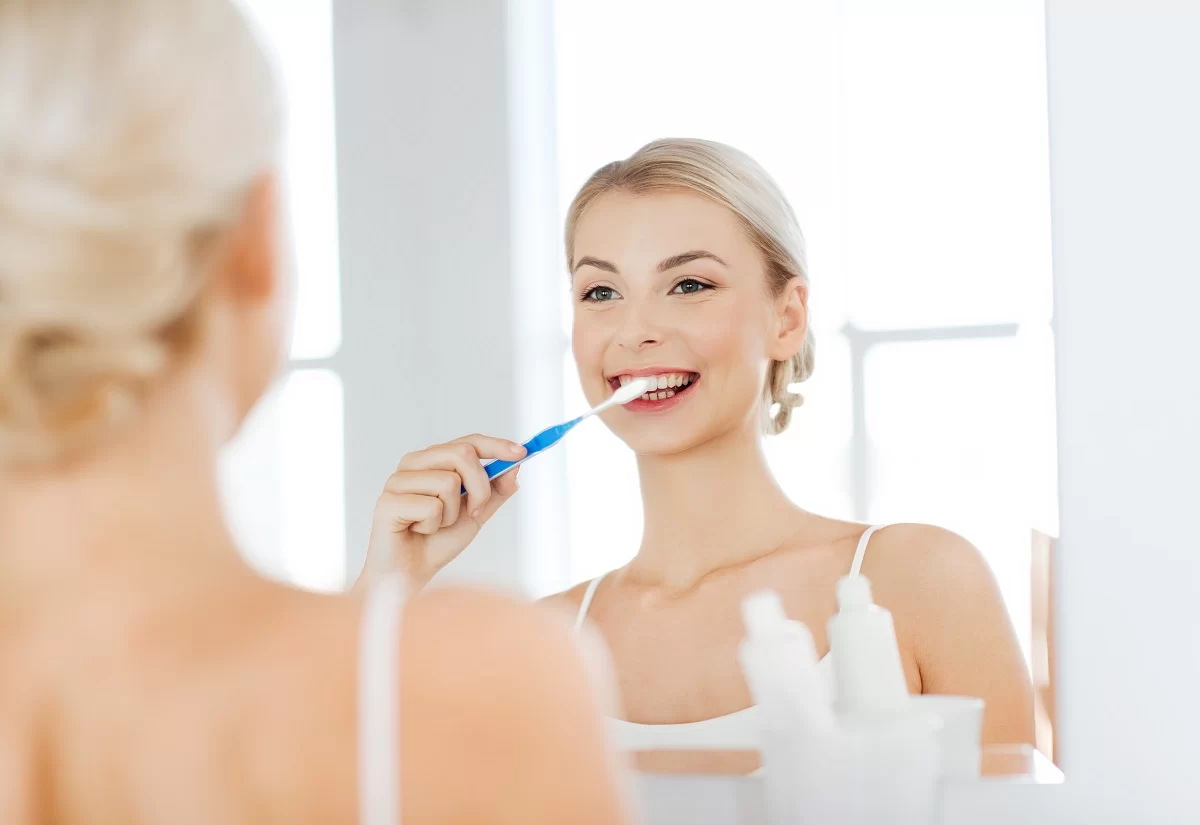
Brushing your teeth is the first step in any oral care routine. To brush effectively:
- Use a fluoride toothpaste to strengthen tooth enamel and prevent cavities.
- Brush your teeth for at least two minutes, ensuring you clean all surfaces – outer, inner, and chewing surfaces.
- Brush your tongue gently to remove bacteria and freshen your breath.
- Replace your toothbrush every three to four months or when the bristles begin to fray.
It's important to brush at least twice a day—once in the morning and once before bed—to maintain optimal oral hygiene.
Flossing Your Teeth
Flossing removes plaque and food particles from between your teeth and under the gumline, where a toothbrush can’t reach. To floss effectively:
- Use about 18 inches of floss and wind it around your fingers.
- Gently slide the floss between your teeth, following the curve of each tooth.
- Do not snap or force the floss to avoid injuring your gums.
- Floss once a day, ideally before brushing, to ensure maximum plaque removal.
Other Important Oral Hygiene Habits
While brushing and flossing form the core of a tooth care routine, there are other habits that contribute to a healthier mouth:
Using Mouthwash
Rinsing with an antimicrobial mouthwash can help reduce the bacteria in your mouth and provide extra protection against gum disease and cavities. Choose a mouthwash that contains fluoride for added protection, and use it after brushing and flossing.
Drinking Water
Drinking plenty of water throughout the day helps rinse away food particles and keeps your mouth hydrated. It also helps stimulate saliva production, which is your body’s natural defense against cavities.
Avoiding Tobacco Products
Smoking and using smokeless tobacco can severely affect your oral health. Tobacco can cause gum disease, tooth discoloration, bad breath, and increase the risk of oral cancer. Quitting tobacco use is one of the best steps you can take for your oral and overall health.
Common Tooth Care Mistakes to Avoid
Even with the best intentions, some habits can actually harm your teeth. Here are common mistakes to watch out for:
- Brushing Too Hard: Brushing aggressively with a hard-bristled brush can cause gum recession and enamel wear. Use gentle strokes with a soft-bristled toothbrush.
- Skipping Flossing: Many people skip flossing because it can feel tedious, but it’s essential for removing plaque between teeth. Flossing once daily can prevent serious gum issues.
- Not Visiting the Dentist Regularly: Even with a perfect at-home routine, you still need regular checkups and cleanings. Dentists can spot issues like cavities and gum disease early on before they become serious.
Oral Hygiene for All Ages
Good oral hygiene is important at every stage of life. Here's how to adjust your routine depending on your age:
For Children
Starting early is key. Brush your child's teeth twice a day as soon as their first tooth erupts. Help them learn to brush and floss properly as they get older, and schedule their first dental visit by age 1.
For Teens
Teenagers may struggle with developing consistent oral hygiene habits. Encourage brushing twice a day, flossing, and using mouthwash, especially if they wear braces or other dental appliances.
For Adults
Adults should maintain a solid daily routine of brushing, flossing, and visiting the dentist every six months. Pay special attention to any changes in your mouth, like tooth sensitivity or gum recession.
For Seniors
As we age, our oral health needs change. Seniors should continue to brush and floss regularly and visit the dentist for professional cleanings. Seniors may also need to address issues like dry mouth and dentures.
Maintaining a Healthy Smile for Life
To keep your teeth and gums healthy for a lifetime, it’s essential to follow a consistent oral care routine and make regular visits to the dentist. Here are a few additional tips to maintain a healthy smile:
- Eat a balanced diet rich in fruits, vegetables, and dairy to provide essential nutrients for your teeth and gums.
- Limit sugary foods and drinks, which contribute to tooth decay and plaque buildup.
- Stay hydrated to encourage saliva production and prevent dry mouth.
- Wear a mouthguard if you play contact sports to protect your teeth from injury.
By practicing these habits, you’ll not only protect your smile but also enhance your overall well-being. Remember, good tooth care is an investment in your health!
To learn more about effective tooth care products and oral hygiene habits, visit Dentistry Toothtruth for expert advice and product recommendations to help you maintain a healthy smile.






 HOLISTIC DENTAL AND WELLNESS CENTER3.0 (8 review)
 Summit Dental Care4.0 (124 review)
 A Z Dental3.0 (41 review)
 RVA Dental Care4.0 (590 review)
 Green River Family Dentistry5.0 (63 review)
 Growing Smiles of Englewood5.0 (213 review)
 The Importance of Oral Health Education During Pregnancy for a Healthy Pregnancy
 Best Tips for Brushing Your Teeth Properly for Healthy Gums: Essential Techniques for Oral Health
 Why Skipping Dental Checkups Can Lead to Bigger Oral Health Problems
 Advantages of Porcelain Dental Restorations
 How Can Diabetes Cause Tooth and Gum Problems? Preventing and Managing Oral Health Issues
 Healthy Habits for Promoting Good Oral Health and Hygiene: Tips for a Healthy Smile