
The Relationship Between Dry Mouth and Oral Diseases: How It Affects Your Oral Health
- 1. What Is Dry Mouth?
- 2. Common Causes of Dry Mouth
- 3. Oral Diseases Linked to Dry Mouth
- 4. Preventing and Treating Dry Mouth
- 5. Take Action to Protect Your Oral Health
1. What Is Dry Mouth?
Dry mouth, also known as Xerostomia, occurs when there is not enough saliva in your mouth. Saliva plays a crucial role in maintaining the moisture levels in your mouth, assisting in digestion, and keeping your teeth and gums healthy. When the production of saliva decreases, you might experience discomfort, difficulty swallowing, and an increased risk of developing oral diseases.
2. Common Causes of Dry Mouth
Dry mouth can be caused by various factors. Some of the most common causes include:
- Medications: Certain medications, such as antihistamines, antidepressants, and pain relievers, can decrease saliva production.
- Health Conditions: Conditions like diabetes, autoimmune diseases, or hormonal changes can contribute to dry mouth.
- Aging: As we age, the function of salivary glands can decline, leading to dry mouth.
- Dehydration: Not drinking enough water or losing excessive fluids through sweating or illness can lead to a dry mouth.
3. Oral Diseases Linked to Dry Mouth
Dry mouth can have a serious impact on your oral health, increasing your susceptibility to a range of dental issues:
- Tooth Decay: Saliva helps wash away food particles and neutralize acids in the mouth. Without sufficient saliva, plaque buildup and tooth decay become more likely.
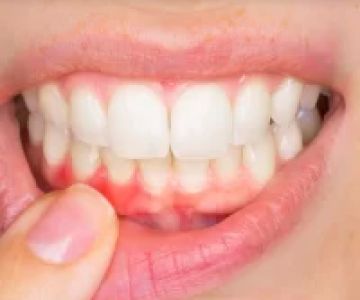
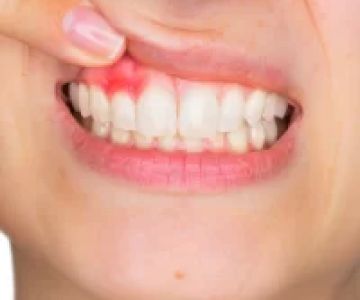
- Gum Disease: A dry mouth can lead to a lack of moisture in the gums, resulting in irritation, inflammation, and an increased risk of gingivitis and periodontitis.
- Bad Breath: The lack of saliva makes it harder to keep your mouth fresh, leading to persistent bad breath.
- Mouth Sores: Dryness can lead to sores, cracks, or ulcers in the mouth that are painful and can become infected.
4. Preventing and Treating Dry Mouth
If you're dealing with dry mouth, there are steps you can take to manage the condition and protect your oral health:
- Drink Water Regularly: Staying hydrated is essential for maintaining saliva production and overall oral health.
- Use Saliva Substitutes: Over-the-counter saliva substitutes can help moisten your mouth if natural saliva production is insufficient.
- Avoid Alcohol and Caffeine: These substances can contribute to dehydration, making dry mouth worse.
- Chew Sugar-Free Gum: Chewing gum stimulates saliva production and can provide temporary relief from dry mouth.
5. Take Action to Protect Your Oral Health
If you suffer from dry mouth, it's essential to seek professional help to avoid the complications of oral diseases. Your dentist or healthcare provider can offer tailored advice and treatment options, such as medications, therapies, or products designed to alleviate dry mouth symptoms.
At Dentistry Toothtruth, we offer products that can help you manage dry mouth effectively. Don’t let dry mouth lead to oral health issues. Take control of your oral health today and protect your smile.


 Mike Shannon, D.D.S5.0 (109 review)
 Jennifer Cha, DMD, MS5.0 (5 review)
 Gentle Dental Avondale4.0 (208 review)
 Comfort Dental Raytown4.0 (162 review)
 McCall Family Dentistry5.0 (718 review)
 Sherman Oaks Dental5.0 (64 review)
 The Importance of Oral Health Education During Pregnancy for a Healthy Pregnancy
 Best Tips for Brushing Your Teeth Properly for Healthy Gums: Essential Techniques for Oral Health
 Why Skipping Dental Checkups Can Lead to Bigger Oral Health Problems
 Advantages of Porcelain Dental Restorations
 How Can Diabetes Cause Tooth and Gum Problems? Preventing and Managing Oral Health Issues
 Healthy Habits for Promoting Good Oral Health and Hygiene: Tips for a Healthy Smile