
1. Understanding Dental Emergencies
A dental emergency refers to any situation involving your teeth or gums that requires immediate attention to alleviate severe pain, prevent further damage, or address potential long-term complications. Dental emergencies can occur unexpectedly, whether it's due to an accident, tooth infection, or sudden severe pain. However, it’s important to remember that quick, professional treatment can significantly reduce the risk of further damage, such as tooth loss or infection.
2. Common Types of Dental Emergencies
There are several types of dental emergencies, each requiring different types of response and treatment:
- Toothache: Persistent or severe tooth pain can be a sign of infection, cavity, or gum disease, requiring immediate attention to avoid further complications.
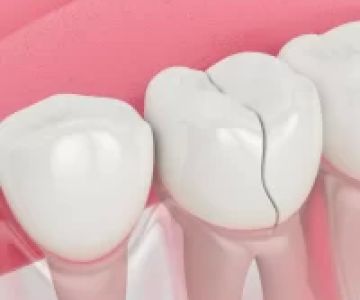
- Broken or Chipped Teeth: Accidents or hard foods can break or chip your teeth. Quick treatment can help preserve the tooth and prevent infection.
- Knocked-out Tooth: A lost tooth can often be saved if treated within an hour. Quick response is essential to potentially reimplant the tooth.
- Loose or Dislodged Fillings or Crowns: If a filling or crown comes loose, it can cause pain or lead to further tooth damage. Timely treatment is necessary to restore functionality and prevent further decay.
- Gum Infection or Abscess: An infection in the gums or tooth roots can spread quickly, so immediate care is crucial to prevent further health complications.
3. Why Prompt Treatment is Crucial in Dental Emergencies
Prompt treatment in dental emergencies is essential for several reasons:
- Prevents Further Damage: The longer you wait for treatment, the higher the risk of complications. For example, a knocked-out tooth can sometimes be reimplanted if treated within an hour, but after that, the chances of saving the tooth decrease dramatically.
- Reduces Pain: Immediate treatment helps to relieve the pain associated with toothaches, abscesses, or broken teeth, improving your comfort until a permanent solution is found.
- Prevents Infection: Untreated infections can spread and lead to more severe health issues, including sepsis, so swift intervention can prevent these dangerous consequences.
- Protects Your Oral Health: Early intervention can prevent minor issues from becoming major problems, such as treating cavities early to avoid root infections or preserving a broken tooth to prevent complete tooth loss.
4. How to Handle Dental Emergencies
Knowing how to react in a dental emergency can make all the difference. Here’s how to handle some common dental issues:
- For a Knocked-out Tooth: Keep the tooth moist by placing it in milk or saline. Try to reinsert it into the socket gently. Seek emergency care immediately.
- For a Severe Toothache: Use a cold compress to reduce swelling and pain. Avoid placing aspirin directly on the tooth or gums. Visit the dentist promptly.
- For a Broken Tooth: Rinse your mouth with warm water and apply a cold compress to the affected area. Keep any broken pieces of the tooth and bring them to the dentist.
- For a Gum Abscess: Rinse with warm salt water and avoid touching the area. See a dentist immediately to drain the abscess and prevent the infection from spreading.
In all cases, it’s important to stay calm and seek professional dental care as quickly as possible.
5. Real-Life Case Study: The Impact of Prompt Treatment
Take the example of Tom, a 30-year-old man who was involved in a car accident and suffered a knocked-out tooth. He was able to recover the tooth and keep it moist until he reached an emergency dentist within 30 minutes. Thanks to the prompt treatment, the dentist successfully reimplanted the tooth, and Tom was able to keep his natural smile. Had he waited longer, the tooth would likely have been lost for good.
This case highlights the importance of prompt treatment in dental emergencies—Tom’s swift action preserved his tooth and saved him from more extensive treatment.
6. Where to Find Emergency Dental Care
Finding reliable emergency dental care can be challenging, but it’s crucial for maintaining your oral health in a crisis. If you experience a dental emergency, it’s important to know where to go. Many dental offices provide emergency services during regular hours, but some also offer after-hours care for urgent situations.
If you need immediate help, visit Dentistry Toothtruth to find top-rated emergency dental services in your area. Our team is equipped to handle dental emergencies promptly and effectively, ensuring the best possible outcome for your oral health.

 Brick Dental Studio4.0 (101 review)
 Dorfman Orthodontic Group - Bensalem5.0 (199 review)
 Dr. Backiel and Associates4.0 (213 review)
 James Silberman, D.D.S.4.0 (56 review)
 Adelante Healthcare3.0 (348 review)
 Midlothian Family Dentistry4.0 (649 review)
 The Importance of Oral Health Education During Pregnancy for a Healthy Pregnancy
 Best Tips for Brushing Your Teeth Properly for Healthy Gums: Essential Techniques for Oral Health
 Why Skipping Dental Checkups Can Lead to Bigger Oral Health Problems
 Advantages of Porcelain Dental Restorations
 How Can Diabetes Cause Tooth and Gum Problems? Preventing and Managing Oral Health Issues
 Healthy Habits for Promoting Good Oral Health and Hygiene: Tips for a Healthy Smile