
The Importance of Flossing Daily: Essential Tips for Optimal Oral Hygiene
- Why Flossing is Important
- The Benefits of Flossing
- Effective Flossing Tips
- Real-life Case Studies: Impact of Flossing
- How to Choose the Right Floss for Your Needs
1. Why Flossing is Important
Flossing daily is a crucial part of oral hygiene that often gets overlooked. While brushing your teeth removes plaque from the surfaces, flossing is the only way to effectively remove food particles and plaque from between your teeth and along the gum line. Regular flossing helps prevent the buildup of tartar, which can lead to gum disease and cavities. Flossing is also essential for preventing bad breath, as it helps eliminate bacteria that cause odor.
2. The Benefits of Flossing
Flossing offers a range of benefits beyond just clean teeth. By incorporating daily flossing into your routine, you reduce the risk of gingivitis, a common gum disease caused by plaque buildup. Flossing also helps to maintain a healthier, brighter smile by removing plaque and food particles that brushing alone can't reach. Furthermore, regular flossing can contribute to better overall health, with studies suggesting that good oral hygiene reduces the risk of heart disease, stroke, and diabetes.
3. Effective Flossing Tips
Proper flossing technique is essential to ensure that you are effectively cleaning your teeth and gums. Here are some helpful tips:
- Use the Right Amount of Floss: Cut a piece of floss about 18 inches long. Wrap it around your fingers, leaving a small section to work with.
- Gentle Technique: Gently slide the floss between your teeth, curving it around the base of each tooth. Avoid snapping or forcing the floss, which can damage your gums.
- Focus on the Gum Line: Make sure to floss along the gum line, where plaque and bacteria tend to accumulate.
- Floss Both Sides: Don’t forget to floss both sides of each tooth, including the back molars.
4. Real-life Case Studies: Impact of Flossing
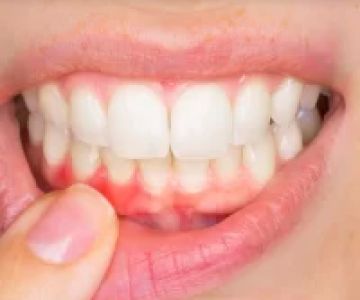
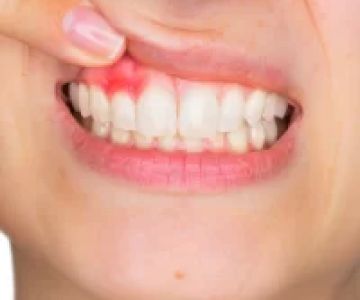
Studies and real-life stories show that daily flossing can significantly improve dental health. Take the case of Sarah, a 35-year-old woman who struggled with gum inflammation and bad breath. After incorporating daily flossing into her routine, she noticed a remarkable improvement in her oral health. Her dentist reported reduced gum swelling and better overall hygiene during her next check-up. Sarah’s story highlights how consistent flossing can prevent common dental issues and improve the longevity of your teeth.
5. How to Choose the Right Floss for Your Needs
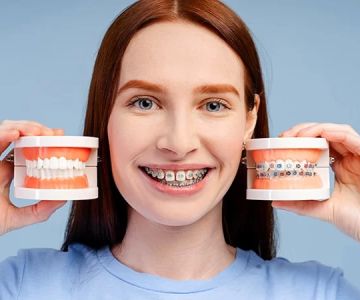
When choosing a floss, it’s important to consider your specific needs. For instance, individuals with braces or tight spaces between their teeth may benefit from waxed floss or dental tape. Others may prefer the convenience of floss picks. Visit Dentistry Toothtruth for more information on the best floss products available and expert recommendations for your unique oral care routine.
Remember, flossing daily is a simple yet effective way to maintain a healthier mouth. By adding this important step to your oral hygiene routine, you can enjoy the benefits of cleaner teeth, fresher breath, and a reduced risk of dental problems. For more tips and advice on maintaining excellent oral health, visit Dentistry Toothtruth.


 Downer Place Dental & Orthodontics4.0 (634 review)
 Brace Busters3.0 (2 review)
 Piedmont Periodontics4.0 (34 review)
 Oregon Endodontic Group5.0 (68 review)
 Oakwood Dental Arts4.0 (470 review)
 Longwood Dental Group4.0 (544 review)
 The Importance of Oral Health Education During Pregnancy for a Healthy Pregnancy
 Best Tips for Brushing Your Teeth Properly for Healthy Gums: Essential Techniques for Oral Health
 Why Skipping Dental Checkups Can Lead to Bigger Oral Health Problems
 Advantages of Porcelain Dental Restorations
 How Can Diabetes Cause Tooth and Gum Problems? Preventing and Managing Oral Health Issues
 Healthy Habits for Promoting Good Oral Health and Hygiene: Tips for a Healthy Smile