
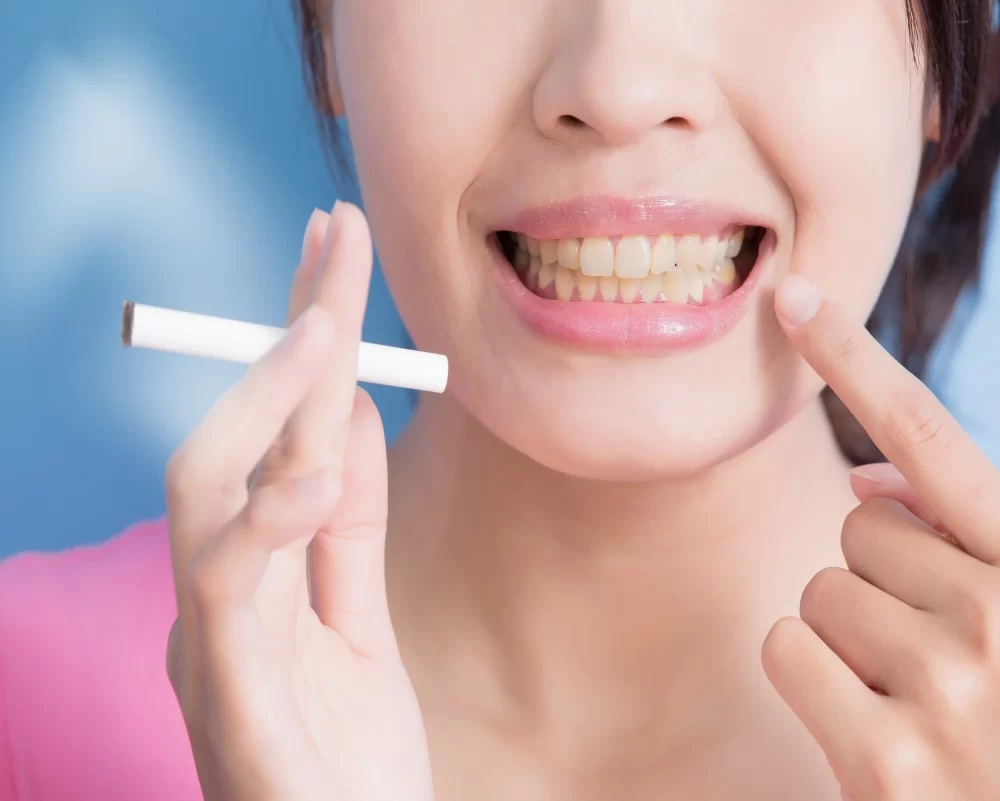
The Impact of Smoking on Oral Health and Teeth: How Smoking Affects Your Smile
- 1. Introduction: The Hidden Dangers of Smoking for Your Teeth
- 2. Effects of Smoking on Teeth and Gum Health
- 3. Oral Health Risks: More Than Just Staining
- 4. How Smoking Contributes to Gum Disease
- 5. Teeth Discoloration and Bad Breath from Smoking
- 6. The Link Between Smoking and Tooth Loss
- 7. How Quitting Smoking Can Improve Your Oral Health
1. Introduction: The Hidden Dangers of Smoking for Your Teeth
Smoking is widely known to have severe impacts on lung health and the cardiovascular system, but did you know it also causes significant damage to your oral health? Smoking and oral health are deeply interconnected, with smoking contributing to a wide range of dental problems. From gum disease and tooth decay to bad breath and teeth discoloration, the effects of smoking on your teeth and gums can be long-lasting and costly.
In this article, we’ll explore how smoking affects your teeth, the risks involved, and how quitting smoking can drastically improve your oral health.
2. Effects of Smoking on Teeth and Gum Health
The chemicals in tobacco products, including nicotine and tar, have a direct impact on the health of your teeth and gums. Smoking leads to the buildup of plaque and tartar on your teeth, which can contribute to tooth decay and gum disease. Here are a few ways smoking negatively affects your oral health:
- Increased plaque buildup: Smoking makes your mouth drier, reducing saliva production, which is essential for cleaning your teeth and neutralizing acids.
- Weakened immune system: Smoking weakens your immune system, making it harder for your body to fight off infections like gum disease.
- Delayed healing: Smokers often experience slower recovery after dental procedures, as nicotine restricts blood flow to the gums and tissues in the mouth.
These factors contribute to a higher risk of developing dental problems such as cavities, gum recession, and even tooth loss.
3. Oral Health Risks: More Than Just Staining
When most people think of smoking's effect on oral health, they often think about yellowed or stained teeth. While this is one of the most visible signs, there are many more risks associated with smoking, including:
- Gum disease: Smokers are at a significantly higher risk for gum disease, which can lead to inflammation, bleeding, and even tooth loss if left untreated.
- Oral cancer: Smoking is one of the leading causes of oral cancer, affecting the lips, tongue, cheeks, and throat.
- Bad breath: Known as halitosis, bad breath is a common problem among smokers due to the chemicals in tobacco and reduced saliva production.
These risks can make it difficult for smokers to maintain a healthy smile and contribute to more frequent dental visits and costly treatments.
4. How Smoking Contributes to Gum Disease
Gum disease, or periodontal disease, is a serious condition that can lead to tooth loss if left untreated. Smoking is one of the primary risk factors for developing gum disease. Here's how smoking contributes to this damaging condition:
- Increased plaque buildup: Smoking encourages the buildup of plaque and tartar on your teeth, which can lead to gingivitis and, if not addressed, progress to periodontitis (advanced gum disease).
- Weakened gum tissue: Nicotine constricts blood vessels, reducing the oxygen supply to gum tissue. This makes it harder for the gums to heal after being damaged by plaque and bacteria.
- Increased bacterial growth: Smoking encourages the growth of harmful bacteria in the mouth, which accelerates the development of gum disease and can lead to the formation of pockets between the teeth and gums.
Because smoking can mask the symptoms of gum disease, such as bleeding gums and inflammation, it can be difficult to recognize the condition in its early stages.
5. Teeth Discoloration and Bad Breath from Smoking
One of the most noticeable effects of smoking on your teeth is the discoloration. The tar and nicotine in cigarettes leave stains that can be difficult to remove, leading to persistent yellow or brown teeth. But the cosmetic impact of smoking extends beyond just the color of your teeth:
- Teeth discoloration: Over time, the stains from smoking penetrate the enamel, causing a permanent yellowish or brownish tint that can only be removed through professional dental treatments like whitening.
- Chronic bad breath: The chemicals in tobacco contribute to persistent bad breath, or halitosis, which can affect your social interactions and self-esteem.
Both teeth discoloration and bad breath are cosmetic issues that can be prevented or minimized by quitting smoking and maintaining proper oral hygiene.
6. The Link Between Smoking and Tooth Loss
Smoking not only causes gum disease but also contributes directly to tooth loss. Studies have shown that smokers are more likely to lose teeth than non-smokers. This is due to the combination of increased plaque, gum disease, and reduced healing abilities caused by smoking.
As gum disease progresses, the gums begin to pull away from the teeth, creating pockets where bacteria can thrive. Eventually, these pockets may cause the teeth to loosen and fall out.
If you’re already experiencing tooth loss due to smoking, it’s crucial to seek dental treatment immediately to prevent further damage and preserve your smile.
7. How Quitting Smoking Can Improve Your Oral Health
The best way to protect your oral health is to quit smoking. When you stop smoking, your body begins to heal itself, and your oral health can significantly improve. Some of the benefits of quitting smoking for your teeth and gums include:
- Healthier gums: After quitting, the blood flow to your gums improves, which helps to reduce inflammation and fight off infections.
- Whiter teeth: Your teeth will begin to brighten as the stains from smoking start to fade over time.
- Fresh breath: Without the chemicals from tobacco, your breath will improve, reducing bad breath and making your smile more appealing.
By quitting smoking, you’re not only improving your overall health but also investing in a brighter, healthier smile. For support in quitting and maintaining oral health, visit Dentistry Toothtruth for helpful resources and products to help you on your journey.






 Loma Linda University School of Dentistry3.0 (154 review)
 Comfort Dental Care4.0 (596 review)
 Dental Solutions Market Street4.0 (576 review)
 Platinum Dental Hawaii4.0 (8 review)
 North Park Family Dental: Dr. Michelle Kline4.0 (25 review)
 Weimar Family & Implant Dentistry4.0 (778 review)
 The Importance of Oral Health Education During Pregnancy for a Healthy Pregnancy
 Best Tips for Brushing Your Teeth Properly for Healthy Gums: Essential Techniques for Oral Health
 Why Skipping Dental Checkups Can Lead to Bigger Oral Health Problems
 Advantages of Porcelain Dental Restorations
 How Can Diabetes Cause Tooth and Gum Problems? Preventing and Managing Oral Health Issues
 Healthy Habits for Promoting Good Oral Health and Hygiene: Tips for a Healthy Smile