
- best-way-to-brush-technique
- proper-brushing-for-cleanliness
- oral-hygiene-daily-care
- brushing-methods-for-healthier-teeth
- family-friendly-brushing-tips
- real-life-brushing-success-stories
The Best Way to Brush — Proper Technique for Maximum Cleanliness
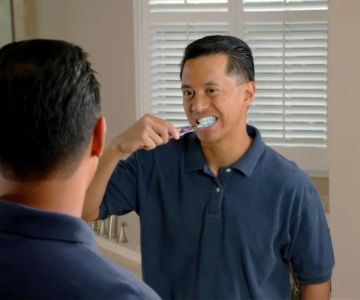
Learning the best way to brush is one of the simplest yet most powerful steps toward maintaining lifelong oral health. While most people brush every day, few realize how much technique influences cleanliness, gum health, and long-term protection from cavities. Proper brushing isn’t just about time — it’s about angle, pressure, strokes, and understanding the natural shape of your teeth.
Dental experts often mention that adopting proper brushing technique can prevent a surprising number of early dental issues. Many families who switch to correct brushing methods report fewer gum bleeds, less plaque buildup, and a dramatically fresher feeling after each brushing session. Platforms like Family Dentistry Online also offer helpful tools and guides that reinforce these healthy habits.
Why Proper Technique Matters More Than You Think
1. Preventing Plaque and Tartar Buildup
Plaque forms continuously, but proper technique disrupts its growth before it hardens into tartar. Brushing correctly ensures that bristles reach between the gumline and tooth surface, where bacteria hide. Over time, this precision reduces the risk of gum inflammation and decay.
2. Protecting Your Enamel
Many people assume brushing harder means brushing better — but aggressive scrubbing can actually damage enamel. Gentle, controlled strokes preserve the protective outer layer while still removing debris and bacteria effectively.
3. Supporting Long-Term Gum Health
Healthy gums fit snugly around each tooth, preventing sensitivity and infection. Proper brushing massages the gums lightly, encouraging better blood flow without causing injury.
Learning the Proper Technique for Maximum Cleanliness
1. Positioning the Brush at the Right Angle
Dentists recommend placing the toothbrush at a 45-degree angle toward the gumline. This angle allows the bristles to reach the border between the gums and teeth, sweeping away bacteria that commonly trigger gum disease.
2. Using Short, Gentle Strokes
Think of brushing as polishing rather than scrubbing. Short, controlled strokes ensure every tooth receives even care, while gentle pressure avoids irritation and abrasion.
3. Brushing All Surfaces Thoroughly
Each tooth has three main surfaces: the outer, inner, and chewing surface. Many people rush through the inner surfaces, especially behind the lower front teeth — a hotspot for plaque accumulation.
Advanced Brushing Methods for Healthier, Cleaner Teeth
1. The "Circular Motion" Approach
Creating small circular motions helps remove plaque more efficiently while protecting gums. This method is especially helpful for children who are still developing dexterity.
2. The “Bass Technique” for Gumline Cleaning
A popular dentist-approved approach, the Bass Technique focuses on vibrating the brush gently at the gumline. This method loosens plaque hidden just below the surface and is ideal for adults concerned about early gum disease.
3. Switching to Sonic or Electric Brushes
Electric brushes often include built-in timers, pressure sensors, and bristle movements that support proper brushing habits. Many users say they feel a noticeable difference within just one week of switching.
Family-Friendly Practices That Build Lifelong Habits
1. Creating a Fun Routine for Children
Kids respond well to routines with music, timers, or storytelling. Some families create brushing challenges to encourage consistency. Proper technique becomes easier when brushing is a shared family experience.
2. Using Toothbrushes Designed for Different Ages
Brush sizes and bristle softness matter. Children need smaller heads and softer bristles, while adults may benefit from adaptive-grip handles or gum-care bristles.
3. Modeling Good Technique Every Day
Children imitate adults more than they follow instructions. Parents who demonstrate correct brushing inspire better habits naturally.
Real-Life Stories That Reveal the Power of Brushing Technique
1. A Teen’s Transformation After Technique Coaching
One mother shared that her teenager struggled with persistent plaque despite brushing twice a day. After learning proper brushing technique from a dental hygienist, the results became noticeable in just two weeks — less plaque, fewer complaints of soreness, and visibly healthier gums.
2. A Busy Professional Who Improved Oral Health in Minutes
A working adult who often rushed through brushing finally adopted a structured two-minute routine. The improvement in freshness and gum comfort encouraged him to maintain proper technique even during hectic mornings.
Empowering Your Brushing Routine With Professional Support
1. When to Seek Guidance From Dental Experts
If you notice bleeding gums, persistent plaque, or sensitivity, a dental consultation can identify whether technique or tools need adjusting. Dental teams often provide personalized coaching that makes long-term maintenance easier.
2. Choosing the Right Products for Your Needs
Toothbrushes, pastes, and rinses vary widely. Family Dentistry Online is a helpful resource for comparing products that support optimal brushing results for different age groups and oral health goals.
3. Turning Proper Brushing Into a Lifestyle Habit
When brushing becomes mindful and intentional, it evolves from a quick task into a meaningful part of daily wellness. Cleanliness, comfort, and confidence all begin with adopting the best way to brush using proper technique.
 Dental Care 2000 Plus, West Foothill Boulevard, Monrovia, CA4.0 (17 review)
 Lake Pleasant Kids’ Dentists and Orthodontics4.0 (48 review)
 Dentistry At Suburban Square: Michael I. Wollock, DMD4.0 (1228 review)
 Renovo Endodontic Studio4.0 (881 review)
 Norton Family Dental4.0 (747 review)
 Thai & Kiourtsis Orthodontics5.0 (66 review)
 The Importance of Oral Health Education During Pregnancy for a Healthy Pregnancy
 Best Tips for Brushing Your Teeth Properly for Healthy Gums: Essential Techniques for Oral Health
 Why Skipping Dental Checkups Can Lead to Bigger Oral Health Problems
 Advantages of Porcelain Dental Restorations
 How Can Diabetes Cause Tooth and Gum Problems? Preventing and Managing Oral Health Issues
 Healthy Habits for Promoting Good Oral Health and Hygiene: Tips for a Healthy Smile