
The Best Way to Adjust to Your New Braces: Tips for a Smooth Transition
- 1. Why Adjusting to Braces Is Important
- 2. Common Challenges When Getting Braces
- 3. Practical Tips for Adjusting to Your New Braces
- 4. How to Care for Your Braces and Oral Health
- 5. Why Dentistry Toothtruth Is Your Go-To Resource for Braces Care
1. Why Adjusting to Braces Is Important
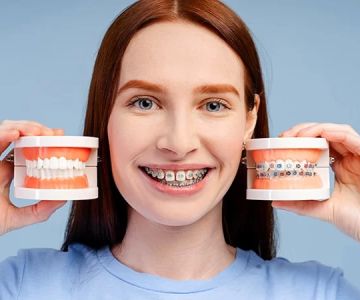
Getting braces is a major step toward achieving a beautiful, healthy smile. However, the transition period can be challenging for many people. Adjusting to new braces properly is essential to ensure that the treatment is effective and that any discomfort or inconvenience is minimized. Understanding how to manage the changes and adapt to your braces can make the entire process more comfortable and successful.
Braces work by gradually shifting your teeth into better alignment, which requires patience. The more comfortable and informed you are during the adjustment period, the quicker you'll be able to get used to the changes and start seeing results. With the right tips and practices, the adjustment period can become a manageable and even rewarding experience.
2. Common Challenges When Getting Braces
While braces offer numerous benefits, the process of adjusting to them can come with a few challenges. Here are some common issues that people face when getting braces:
2.1 Discomfort and Soreness
After getting braces, it's common to experience discomfort and soreness, especially in the first few days. The brackets and wires can irritate the inside of your mouth, and your teeth may feel tender as they begin to shift.
2.2 Difficulty Eating
Eating can be a bit tricky in the beginning. Certain foods may get stuck in your braces, and you might feel pain or discomfort when chewing hard or crunchy foods. It’s important to adapt to softer foods and take extra care while eating.
2.3 Oral Hygiene Challenges
Braces require extra attention when it comes to oral hygiene. Cleaning around brackets and wires can be difficult, and it’s essential to be diligent about brushing and flossing to prevent cavities or gum issues.
3. Practical Tips for Adjusting to Your New Braces
Here are some practical tips to help you adjust to your new braces and make the experience smoother:
3.1 Stick to Soft Foods in the Beginning
After getting braces, it's a good idea to stick to soft foods that don’t require much chewing. Foods like yogurt, mashed potatoes, scrambled eggs, and smoothies can help ease the transition and reduce discomfort.
3.2 Use Orthodontic Wax for Comfort
If the brackets or wires are causing irritation in your mouth, orthodontic wax can be a lifesaver. Applying the wax over the brackets will prevent them from rubbing against the inside of your cheeks, making the transition much more comfortable.
3.3 Follow a Careful Oral Hygiene Routine
Maintaining good oral hygiene is crucial when you have braces. Be sure to brush your teeth after every meal to remove any food particles. Use special floss or floss threaders to clean between the brackets and wires. Consider using a mouthwash to keep your mouth clean and fresh throughout the day.
3.4 Prepare for Periodic Adjustments
Braces will require periodic adjustments by your orthodontist to ensure that your teeth are moving into their proper positions. Be prepared for some discomfort after each adjustment, but remember that these adjustments are essential for achieving the desired results.
4. How to Care for Your Braces and Oral Health
Proper care is essential for the longevity and effectiveness of your braces. In addition to regular brushing and flossing, here are some additional tips to maintain your oral health:
4.1 Avoid Hard or Sticky Foods
Hard and sticky foods can damage your braces or get stuck in them, making cleaning more difficult. Avoid chewing on ice, hard candies, or sticky gum to protect both your braces and your teeth.
4.2 Wear a Mouthguard for Sports
If you play sports, it’s important to wear a mouthguard to protect your braces and teeth from injury. A custom mouthguard is ideal, as it fits better and provides optimal protection.
4.3 Regular Check-ups with Your Orthodontist
Keep up with your regular orthodontic appointments to ensure that your braces are working as expected. Your orthodontist will monitor your progress and make adjustments as needed to help you achieve the best results.
5. Why Dentistry Toothtruth Is Your Go-To Resource for Braces Care
For anyone adjusting to new braces, expert guidance and resources can make the process much easier. Dentistry Toothtruth provides helpful tips and advice for maintaining your braces and ensuring your oral health stays on track throughout your treatment.
Whether you’re looking for advice on how to manage discomfort, find the right dental products, or need support during your orthodontic journey, Dentistry Toothtruth has you covered. Visit Dentistry Toothtruth for more resources and products designed to make your braces experience as smooth as possible.

 Papania Family Dentistry4.0 (166 review)
 McElroy Pediatric Dentistry4.0 (234 review)
 Rick Lacuesta, DDS2.0 (4 review)
 Think Better Life - Orofacial Pain, TMJ & Sleep Disorder Solutions Chicago4.0 (11 review)
 Dentistry at 1818 Market Street4.0 (686 review)
 Graylyn Dental4.0 (681 review)
 The Importance of Oral Health Education During Pregnancy for a Healthy Pregnancy
 Best Tips for Brushing Your Teeth Properly for Healthy Gums: Essential Techniques for Oral Health
 Why Skipping Dental Checkups Can Lead to Bigger Oral Health Problems
 Advantages of Porcelain Dental Restorations
 How Can Diabetes Cause Tooth and Gum Problems? Preventing and Managing Oral Health Issues
 Healthy Habits for Promoting Good Oral Health and Hygiene: Tips for a Healthy Smile