
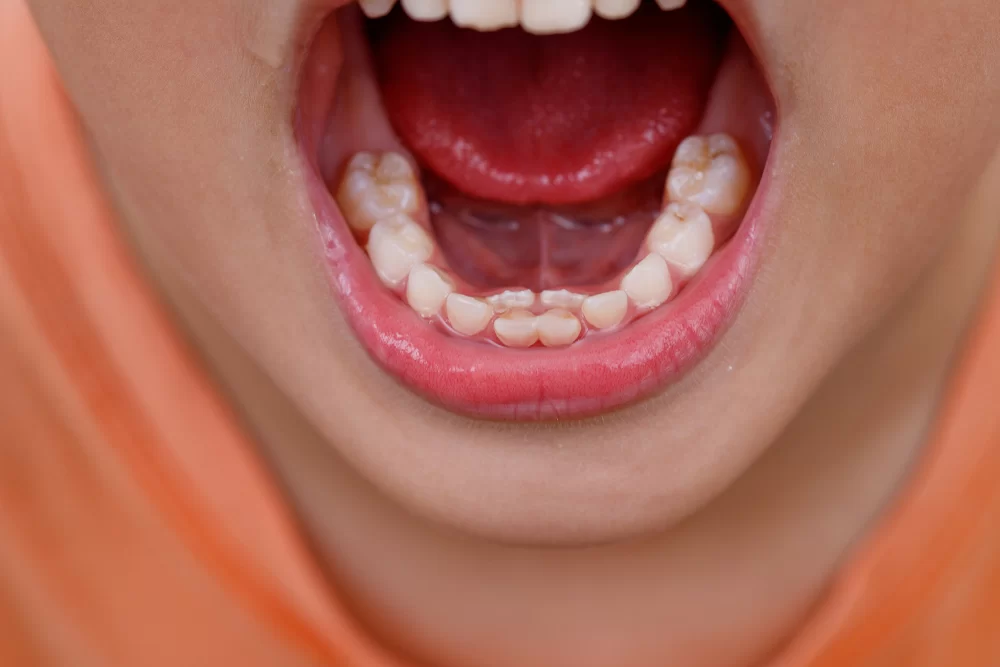
The Best Treatment for a Knocked-Out Tooth: Essential Steps for Fast Recovery
- 1. Immediate Action After a Knocked-Out Tooth
- 2. How to Preserve the Knocked-Out Tooth
- 3. Visit a Dentist: What to Expect
- 4. Treatment Options for Reimplantation
- 5. Healing Time and Aftercare
1. Immediate Action After a Knocked-Out Tooth
If you or someone you know has experienced a knocked-out tooth, quick action is essential. The faster you can seek treatment, the better your chances of saving the tooth. The first step is to remain calm and handle the situation without panic. Rinse the mouth gently with water to remove any debris but avoid scrubbing or touching the exposed root of the tooth.
It’s also important to stop any bleeding by gently biting on a clean piece of gauze. If the injury causes pain or swelling, an ice pack can help reduce discomfort. Remember, time is of the essence, and ideally, the tooth should be reimplanted within 30 minutes to one hour to ensure its survival.
2. How to Preserve the Knocked-Out Tooth
While waiting to see a dentist, preserving the tooth is crucial for its potential reimplantation. If possible, hold the tooth by the crown (the part you chew with) rather than the root to avoid damaging the delicate cells on the root’s surface. You can attempt to reinsert the tooth gently back into its socket, but if this is not possible, place the tooth in a clean container with milk or saline solution.
If neither of these options is available, a saliva-filled container (like the patient’s own mouth) is also a viable temporary solution. Do not store the tooth in water as it can damage the root cells and significantly decrease the chances of successful reimplantation.
3. Visit a Dentist: What to Expect
Once you’ve preserved the tooth, you must seek professional dental care immediately. The dentist will examine the situation and determine whether reimplantation is possible. In many cases, the dentist will attempt to place the tooth back into its socket, securing it with a splint to stabilize the tooth during healing.
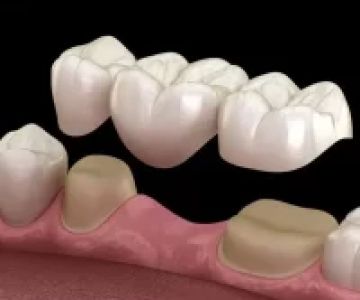
If reimplantation is not feasible, the dentist will discuss alternative treatment options such as dental implants or bridges. Prompt action within the first few hours greatly increases the chance of saving the tooth, making a timely dental visit essential for the best outcome.
4. Treatment Options for Reimplantation
If you arrive at the dentist’s office quickly after the injury, reimplantation is often the best option. The dentist will reposition the tooth and splint it to the surrounding teeth for stabilization. In some cases, the tooth may need a root canal treatment to ensure it stays healthy and free from infection.
However, if the tooth cannot be reimplanted successfully, the dentist will explore alternatives. Dental implants are an excellent long-term solution, providing a strong and natural-looking replacement for the lost tooth. Bridges and partial dentures are also viable options, depending on the severity of the tooth loss and the patient’s dental health.
5. Healing Time and Aftercare
The healing process after a knocked-out tooth depends on the type of treatment used and the overall condition of the tooth and gums. If the tooth is successfully reimplanted, it typically takes a few weeks for the gums to heal and the tooth to reattach securely to the bone. During this time, you may need to avoid chewing on the affected side and follow the dentist’s aftercare instructions closely.
If a dental implant or bridge is used as a replacement, the healing time can take several months. Dental implants require a process called osseointegration, where the implant fuses with the bone to create a solid foundation. This can take anywhere from three to six months. After the initial healing, you can expect to return to your normal routine, with your smile restored.
While it can be frightening to experience a knocked-out tooth, knowing how to handle the situation can make all the difference in saving the tooth or restoring your smile. For any dental emergency, immediate attention and proper care are crucial for the best possible outcome.
If you’re looking for expert advice on dental emergencies and tooth restoration, visit Dentistry Toothtruth for professional guidance and solutions to keep your smile healthy.

 Smile Works Dentistry & Orthodontics in Lake Forest4.0 (35 review)
 Dentistry for Children - Cumming Midway4.0 (275 review)
 Dentistry at Greenway4.0 (121 review)
 Tri City Endodontics5.0 (4 review)
 Leading Edge Oral Surgery Massapequa5.0 (1175 review)
 Gessel Orthodontics5.0 (5 review)
 The Importance of Oral Health Education During Pregnancy for a Healthy Pregnancy
 Best Tips for Brushing Your Teeth Properly for Healthy Gums: Essential Techniques for Oral Health
 Why Skipping Dental Checkups Can Lead to Bigger Oral Health Problems
 Advantages of Porcelain Dental Restorations
 How Can Diabetes Cause Tooth and Gum Problems? Preventing and Managing Oral Health Issues
 Healthy Habits for Promoting Good Oral Health and Hygiene: Tips for a Healthy Smile