
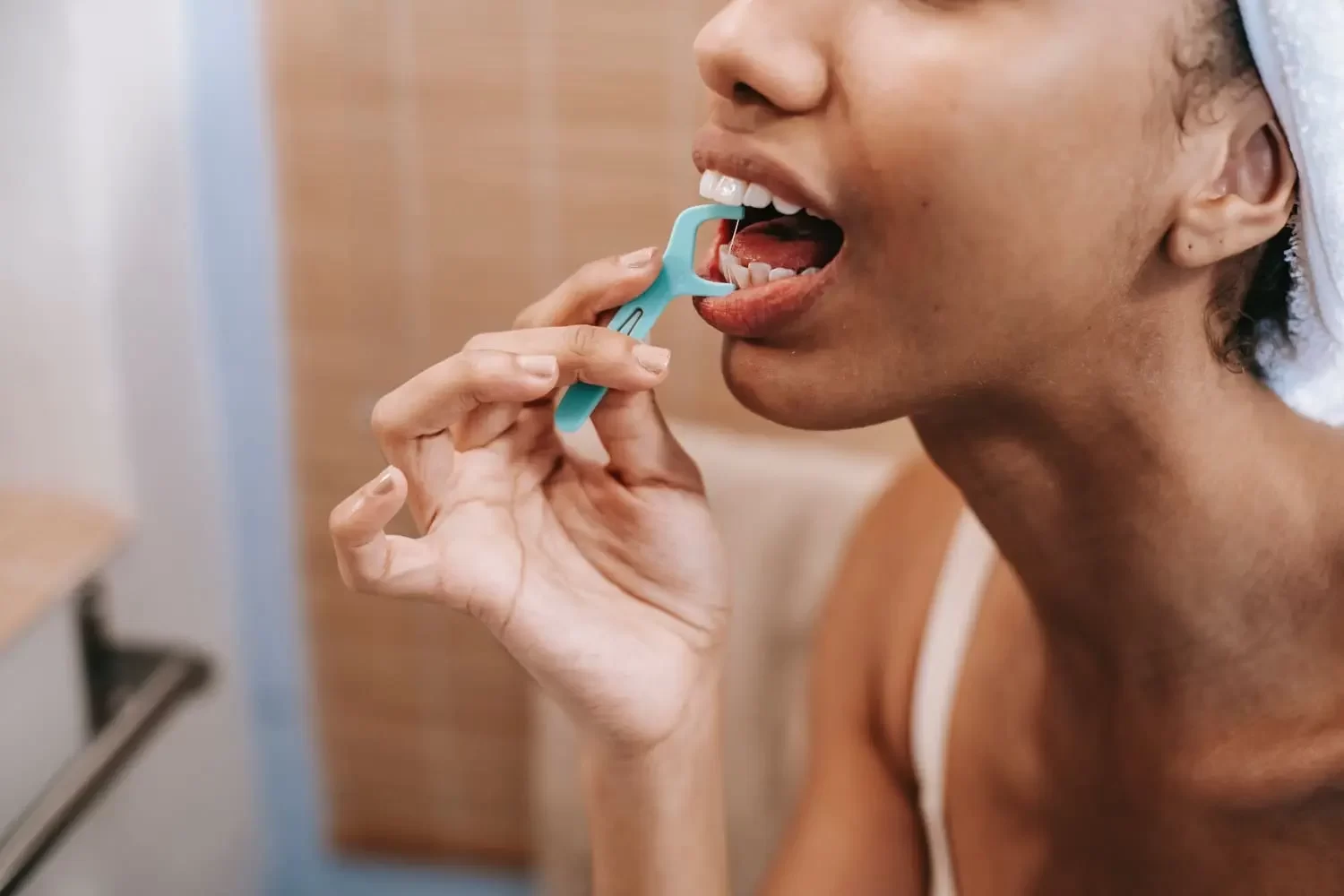
1. Why Flossing is Essential for Plaque Removal
Plaque buildup is one of the leading causes of tooth decay and gum disease. Despite brushing your teeth regularly, it’s easy for plaque to form between your teeth and along the gumline, where toothbrush bristles can’t reach. That’s where dental floss comes in. Flossing is a crucial step in maintaining optimal oral hygiene because it removes food particles and plaque that brushing alone can’t tackle.Flossing is essential for preventing gingivitis and cavities, and it also helps in promoting fresh breath. The best dental floss for plaque removal goes beyond just cleaning between teeth—it also helps keep your gums healthy, preventing the accumulation of bacteria that can lead to more severe dental issues. Regular flossing plays a critical role in your overall oral health routine.2. The Best Dental Floss for Plaque Removal
When it comes to choosing the best dental floss for plaque removal, there are a variety of options available. Each type of floss offers different benefits depending on your oral health needs. Here are some of the top choices for plaque removal:- Waxed Dental Floss: Ideal for tight spaces, waxed floss is easy to slide between teeth and works well for plaque removal. The wax coating helps the floss glide smoothly, reducing the risk of snapping or fraying.- Unwaxed Dental Floss: This type of floss is thinner and slightly more effective at scraping plaque off teeth due to its texture. However, it can be more challenging to use for those with tightly spaced teeth.- PTFE (Polytetrafluoroethylene) Floss: PTFE floss is made from a smooth, non-fraying material that slides easily between teeth. It’s ideal for those with sensitive gums, as it’s gentle but still effective at plaque removal.- Dental Tape: If you have wider spaces between your teeth, dental tape may be a better option. It’s broader than standard floss and is designed to remove more plaque in less time.- Floss Picks: These handy tools offer convenience for on-the-go flossing. While they may not be as effective as traditional floss for plaque removal, they can be a good option for quick touch-ups and maintaining oral hygiene.The best floss for plaque removal depends on your personal preferences and the condition of your teeth. If you have tight spaces, waxed floss or PTFE floss may be the best choice, while dental tape is ideal for wider gaps.3. How to Properly Use Dental Floss for Maximum Plaque Removal
Using dental floss properly is just as important as choosing the right type of floss. Here are some tips for effective plaque removal:- Use about 18 inches of floss: This allows you to use a clean section of floss for each tooth, avoiding the transfer of bacteria or plaque back to another area of your mouth.- Gently slide the floss between your teeth: Avoid snapping or forcing the floss between your teeth, as this can damage your gums. Gently guide the floss up and down each side of the tooth to remove plaque.- Curve the floss around each tooth: After placing the floss between two teeth, curve it into a “C” shape and gently slide it under the gumline to ensure thorough plaque removal.- Don’t forget the back of your last tooth: Plaque tends to build up at the back of your mouth, so be sure to floss all the way to the end.Consistency is key when it comes to flossing for plaque removal. Aim to floss once a day to maintain healthy teeth and gums.4. Common Mistakes to Avoid When Flossing
While flossing is relatively simple, many people make common mistakes that can reduce its effectiveness. Avoid these common pitfalls:- Not using enough floss: Using too short a piece of floss can make it difficult to clean between all of your teeth properly.- Flossing too aggressively: Vigorous flossing can cause your gums to bleed or even tear. Be gentle when working the floss between your teeth.- Skipping areas: It’s easy to miss the back teeth, but plaque can build up there just as easily. Be sure to floss all areas of your mouth.- Not flossing regularly: Flossing should be done daily for optimal plaque removal and gum health. Skipping it can lead to plaque buildup, even if you brush regularly.5. Benefits of Flossing Beyond Plaque Removal
While plaque removal is a primary reason to floss, there are many additional benefits to incorporating flossing into your daily routine. These benefits include:- Improved Gum Health: Regular flossing helps prevent gingivitis, the earliest stage of gum disease, by removing plaque before it can harden into tartar.- Prevention of Bad Breath: Flossing removes food particles and bacteria that cause bad breath, helping you maintain fresh breath throughout the day.- Reduced Risk of Heart Disease: Research has suggested that gum disease may increase the risk of heart disease. By flossing daily, you may help reduce this risk.- Whiter Teeth: Flossing removes plaque buildup that can cause discoloration, helping you maintain a brighter, healthier smile.For a detailed guide on the best dental floss and to explore more oral care products, visit Dentistry Toothtruth and discover the ideal floss for plaque removal and overall oral health.Ready to improve your oral hygiene routine? Explore our range of the best dental floss options for plaque removal at Dentistry Toothtruth today!






 Dental Starz4.0 (24 review)
 Bright Now! Dental & Orthodontics4.0 (630 review)
 Collegeville Pediatric Dentistry4.0 (33 review)
 KinderSmiles Pediatric Dentistry and Orthodontics4.0 (167 review)
 Pelham Bay Dental Associates4.0 (23 review)
 Lane & Associates Family Dentistry - Raleigh Wake Forest Road4.0 (1405 review)
 The Importance of Oral Health Education During Pregnancy for a Healthy Pregnancy
 Best Tips for Brushing Your Teeth Properly for Healthy Gums: Essential Techniques for Oral Health
 Why Skipping Dental Checkups Can Lead to Bigger Oral Health Problems
 Advantages of Porcelain Dental Restorations
 How Can Diabetes Cause Tooth and Gum Problems? Preventing and Managing Oral Health Issues
 Healthy Habits for Promoting Good Oral Health and Hygiene: Tips for a Healthy Smile