
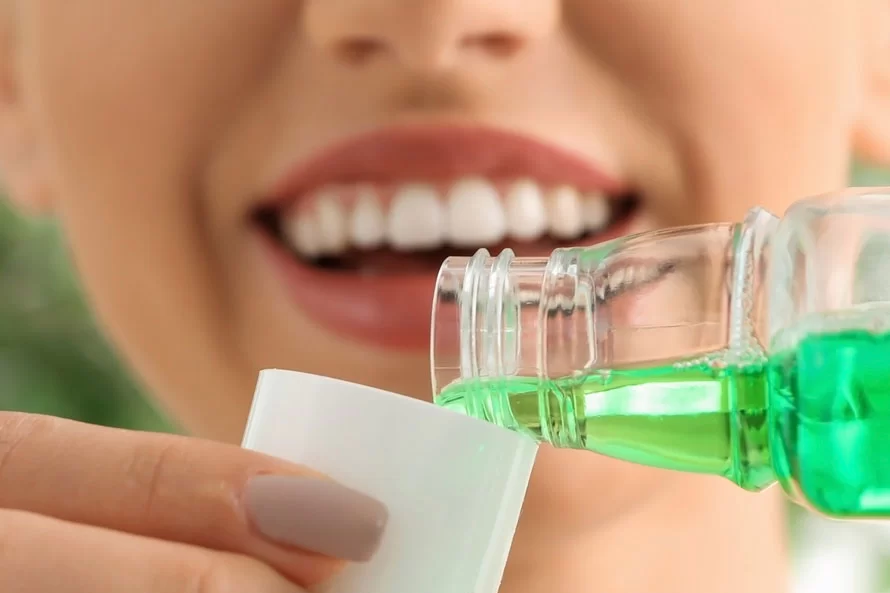
The Benefits of Using Mouthwash Daily for Optimal Oral Health
- Why Mouthwash Is Essential for Oral Health
- How Mouthwash Works to Improve Oral Health
- Mouthwash and Bad Breath: A Powerful Combination
- Mouthwash for Preventing Dental Issues
- Types of Mouthwash and Which One to Choose
- Real-Life Experiences with Mouthwash
- How to Incorporate Mouthwash into Your Daily Routine
Why Mouthwash Is Essential for Oral Health
Maintaining a proper oral hygiene routine involves more than just brushing and flossing. Mouthwash plays an important role in keeping your mouth clean and healthy. By adding mouthwash to your daily routine, you can complement your regular brushing and flossing, reaching areas in your mouth that are hard to clean otherwise.
Many people underestimate the power of mouthwash, but it is designed to help kill bacteria, fight plaque, and protect your teeth and gums. When used properly, it can be a valuable tool in your overall oral hygiene regimen, offering benefits that extend beyond simply freshening your breath.
How Mouthwash Works to Improve Oral Health
Mouthwash contains active ingredients that target specific oral health issues. The most common types of mouthwash include:
- Antiseptic Mouthwash: Helps kill bacteria and reduce plaque, which can lead to gum disease.
- Fluoride Mouthwash: Strengthens tooth enamel and helps prevent tooth decay.
- Anti-gingivitis Mouthwash: Targets inflammation and helps reduce the risk of gum disease.
When you use mouthwash regularly, it can help prevent the buildup of harmful bacteria that cause plaque, cavities, and gum disease. Additionally, it provides an extra layer of protection against dental issues, ensuring that your mouth remains fresh and healthy throughout the day.
Mouthwash and Bad Breath: A Powerful Combination
One of the most well-known benefits of using mouthwash daily is its ability to combat bad breath. Many people experience bad breath due to a buildup of bacteria in the mouth, food particles, or dry mouth. Mouthwash not only kills the bacteria that cause bad breath but also leaves your mouth feeling fresh and clean.
For those who struggle with chronic bad breath, using mouthwash with antibacterial properties can significantly reduce odor-causing bacteria. Some mouthwashes also contain ingredients like menthol or eucalyptus that provide long-lasting freshness, keeping your breath smelling great all day.
Mouthwash for Preventing Dental Issues
Using mouthwash daily can help prevent common dental issues like tooth decay, gum disease, and plaque buildup. By killing bacteria and removing food particles, mouthwash helps keep your teeth and gums in optimal condition. Over time, this can reduce the risk of cavities and gum infections, which are the leading causes of tooth loss in adults.
For individuals with sensitive teeth or gums, mouthwash can provide additional protection and alleviate discomfort. Some mouthwashes are formulated with soothing ingredients that help to reduce irritation and inflammation, making them ideal for those with sensitive mouths.
Types of Mouthwash and Which One to Choose
With so many different types of mouthwash on the market, it can be difficult to decide which one is right for you. Here’s a brief overview of the different options:
- Alcohol-Based Mouthwash: Effective at killing bacteria but can cause dryness in the mouth for some users.
- Alcohol-Free Mouthwash: A gentler alternative that still effectively kills bacteria without causing dryness.
- Natural Mouthwash: Made with essential oils or herbal extracts and is a great choice for those seeking a more natural solution.
- Therapeutic Mouthwash: Designed to target specific issues like gingivitis, plaque, or sensitivity, often available by prescription.
The type of mouthwash you choose will depend on your specific oral health needs. Consult with your dentist to determine which formula is best for your mouth's unique needs.
Real-Life Experiences with Mouthwash
Many people who incorporate mouthwash into their daily oral hygiene routine report significant improvements in their oral health. Take Sarah, for example: she struggled with bad breath for years. After adding an antiseptic mouthwash to her routine, her breath became noticeably fresher, and she no longer had to worry about unpleasant odors during social interactions.
Similarly, Tom, who had a history of gum disease, found that using a fluoride mouthwash helped protect his gums and teeth, reducing the frequency of visits to the dentist for gum-related issues.
How to Incorporate Mouthwash into Your Daily Routine
To get the most out of your mouthwash, it’s essential to use it properly. Here’s how you can incorporate mouthwash into your daily routine:
- After brushing and flossing, rinse with mouthwash for 30 seconds to 1 minute.
- Don’t eat or drink for at least 30 minutes after using mouthwash to allow it to work effectively.
- Use mouthwash in the morning and before bed for maximum benefits.
By following these simple steps, you can maximize the benefits of using mouthwash daily and keep your oral health in check.
Get Started with Mouthwash
If you're looking to improve your oral hygiene and enjoy the many benefits of mouthwash, now is the perfect time to get started. Incorporating mouthwash into your daily routine can help protect your teeth, freshen your breath, and give you the confidence of knowing you're doing everything you can to maintain optimal oral health.
To learn more about the best mouthwash options for your needs, visit Dentistry Toothtruth for expert recommendations and more information on effective oral care products.

 Smile More Dentistry4.0 (390 review)
 Scott Harris Family Dentistry4.0 (154 review)
 Hollywood Smile Dental4.0 (75 review)
 Meiners Dentistry5.0 (269 review)
 Worcester Dentist - Union Dental - MA4.0 (218 review)
 Endodontic Wellness Center4.0 (10 review)
 The Importance of Oral Health Education During Pregnancy for a Healthy Pregnancy
 Best Tips for Brushing Your Teeth Properly for Healthy Gums: Essential Techniques for Oral Health
 Why Skipping Dental Checkups Can Lead to Bigger Oral Health Problems
 Advantages of Porcelain Dental Restorations
 How Can Diabetes Cause Tooth and Gum Problems? Preventing and Managing Oral Health Issues
 Healthy Habits for Promoting Good Oral Health and Hygiene: Tips for a Healthy Smile