
Teeth Cleaning Routine: A Comprehensive Guide to Better Oral Health
- The Importance of Teeth Cleaning
- Step-by-Step Teeth Cleaning Routine
- Choosing the Right Toothbrush and Toothpaste
- Tips for Effective Teeth Cleaning
- Common Teeth Cleaning Mistakes to Avoid
The Importance of Teeth Cleaning
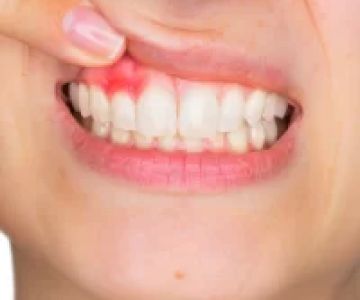
Regular teeth cleaning is essential not only for a bright, confident smile but also for your overall health. Neglecting your oral hygiene can lead to a variety of dental issues, from cavities and gum disease to more severe health problems such as heart disease. A consistent teeth cleaning routine can prevent plaque buildup, which, if left unchecked, hardens into tartar and causes gum irritation.
Many people underestimate the role of daily brushing and flossing, assuming that professional cleanings are enough. However, without daily care, harmful bacteria can accumulate in the mouth, leading to bad breath, decay, and other complications. A good routine, performed at home, is key to maintaining healthy teeth and gums throughout your life.
Step-by-Step Teeth Cleaning Routine
To ensure your teeth are thoroughly cleaned and well-maintained, it's important to follow a simple, effective routine. Here is a step-by-step guide to help you:
1. Brush Twice a Day
Brushing your teeth at least twice a day—once in the morning and once before bed—is crucial. Use a fluoride toothpaste and a soft-bristled toothbrush to gently clean your teeth. Make sure to brush for two minutes each time, ensuring that every surface of your teeth is cleaned, including the outer, inner, and chewing surfaces.
2. Use Proper Brushing Technique
Hold your toothbrush at a 45-degree angle to your gums and use short, gentle strokes. Avoid brushing too hard, as this can damage your enamel and gums. Pay attention to your molars, which can often harbor food particles and bacteria.
3. Floss Daily
Flossing removes food particles and plaque from between your teeth that your toothbrush can't reach. It's an essential part of your teeth cleaning routine to prevent gum disease and cavities in the spaces between teeth. Make sure to floss gently to avoid damaging your gums.
4. Rinse with Mouthwash
After brushing and flossing, use a mouthwash to help kill bacteria, reduce plaque, and keep your breath fresh. Choose a mouthwash with fluoride to further protect against cavities and gum disease.
Choosing the Right Toothbrush and Toothpaste
Not all toothbrushes and toothpaste are created equal. When selecting the right tools for your teeth cleaning routine, consider the following factors:
1. Toothbrush
Choose a toothbrush that fits comfortably in your mouth and allows you to reach all areas of your teeth. For most people, a soft-bristled toothbrush is ideal as it is gentle on the gums while still effectively removing plaque. Electric toothbrushes can also be a great option, as they provide more consistent brushing and can help improve your cleaning technique.
2. Toothpaste
Choose a toothpaste that contains fluoride, as it helps strengthen tooth enamel and prevent cavities. If you have specific concerns, such as sensitive teeth, look for toothpaste formulated for sensitivity. There are also whitening toothpastes that can help remove surface stains, but they should not replace regular dental care.
Tips for Effective Teeth Cleaning
To enhance the effectiveness of your teeth cleaning routine, here are a few extra tips:
1. Set a Timer
Use a timer to ensure you brush for the full two minutes. Many electric toothbrushes come with built-in timers, but if you're using a manual toothbrush, you can use your phone or a kitchen timer.
2. Replace Your Toothbrush Regularly
Replace your toothbrush or toothbrush head every three to four months, or sooner if the bristles become frayed. A worn-out toothbrush won't clean your teeth as effectively, which can lead to plaque buildup.
3. Clean Your Tongue
Your tongue can harbor bacteria and contribute to bad breath. Use a tongue scraper or your toothbrush to gently clean your tongue during your teeth cleaning routine.
Common Teeth Cleaning Mistakes to Avoid
Even with a solid teeth cleaning routine, many people still make common mistakes that can affect their oral health. Here are a few to watch out for:
1. Brushing Too Hard
Brushing your teeth too hard can lead to gum recession and enamel wear. Use a gentle brushing motion and avoid applying too much pressure. If you're using an electric toothbrush, let the brush do the work for you.
2. Skipping Flossing
Skipping flossing can allow plaque and food particles to build up between your teeth, leading to cavities and gum disease. Make it a habit to floss daily, even if you don't think you need to.
3. Forgetting Regular Dental Checkups
Even the best at-home teeth cleaning routine can't replace professional dental cleanings. Be sure to visit your dentist regularly for checkups and cleanings to catch any issues early and maintain optimal oral health.

 Peninsula Family Dentistry5.0 (193 review)
 Stephanie ML Wong, DMD, Inc.5.0 (1 review)
 RVA Dental Care4.0 (590 review)
 Brace Busters3.0 (2 review)
 Uncasville Dental Associates4.0 (103 review)
 Jay M. Goldberg, DDS5.0 (1 review)
 The Importance of Oral Health Education During Pregnancy for a Healthy Pregnancy
 Best Tips for Brushing Your Teeth Properly for Healthy Gums: Essential Techniques for Oral Health
 Why Skipping Dental Checkups Can Lead to Bigger Oral Health Problems
 Advantages of Porcelain Dental Restorations
 How Can Diabetes Cause Tooth and Gum Problems? Preventing and Managing Oral Health Issues
 Healthy Habits for Promoting Good Oral Health and Hygiene: Tips for a Healthy Smile