
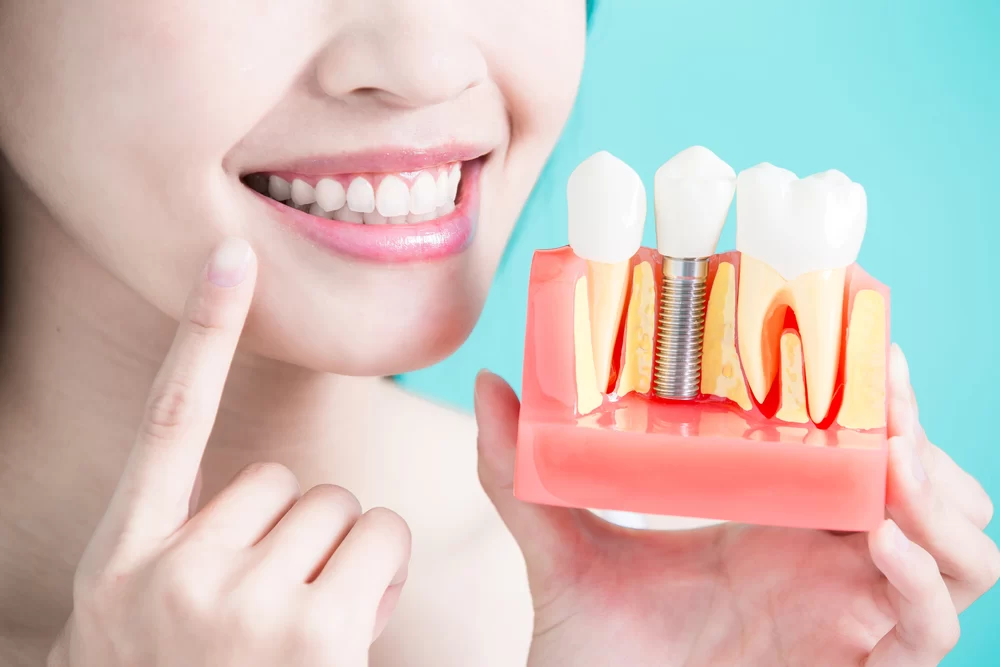
Signs You Need Dental Treatment for a Cracked Tooth
- What is a Cracked Tooth?
- Common Signs of a Cracked Tooth
- What Causes a Tooth to Crack?
- Treatment Options for a Cracked Tooth
- Real-life Case: How a Cracked Tooth Was Treated
- When Should You Visit Your Dentist?
What is a Cracked Tooth?
A cracked tooth occurs when there is a visible fracture in the hard enamel of your tooth. These cracks can vary in size, from small hairline fractures to large breaks that extend deeper into the tooth's structure. Cracks can lead to pain, discomfort, and other oral health complications if not treated promptly. It's important to understand the signs of a cracked tooth so that you can seek dental treatment as soon as possible to avoid further damage.
Common Signs of a Cracked Tooth
There are several common signs that indicate you may have a cracked tooth. Recognizing these symptoms early on can help prevent serious dental issues. Here are some common signs:
- Sensitivity to Hot or Cold: If you experience sudden pain or discomfort when eating hot or cold foods, it could be a sign that your tooth is cracked.
- Pain When Chewing: A cracked tooth can cause pain when chewing or biting down, especially if the crack is affecting the tooth's structure.
- Visible Crack: In some cases, you may be able to see a visible crack or chip in your tooth, especially if the break is large.
- Swelling and Discomfort in the Gums: The gums around the cracked tooth may become swollen or tender, indicating a deeper problem.
What Causes a Tooth to Crack?
There are several factors that can lead to a cracked tooth. Understanding these causes can help you prevent tooth fractures in the future. Here are some of the most common causes:
- Trauma or Injury: A direct blow to the mouth from sports or an accident can cause your tooth to crack.
- Chewing Hard Foods: Biting down on hard foods like ice, nuts, or hard candies can put excessive pressure on your teeth and cause them to crack.
- Age: As we age, the enamel on our teeth naturally becomes weaker, increasing the likelihood of cracks developing over time.
- Bruxism (Teeth Grinding): Constant grinding or clenching of teeth, often due to stress, can weaken tooth structure and lead to cracks.
Treatment Options for a Cracked Tooth
If you suspect you have a cracked tooth, it’s important to visit a dentist for an evaluation. Depending on the severity of the crack, your dentist may recommend one of the following treatment options:
- Dental Bonding: For small cracks, dental bonding may be used to fill in the crack and restore the tooth's appearance and function.
- Dental Crown: For more severe cracks, a dental crown may be placed over the tooth to protect it from further damage and restore its strength.
- Root Canal: If the crack has reached the tooth’s pulp, a root canal may be necessary to remove infected tissue and prevent further decay.
- Tooth Extraction: In the rare case of a very severe crack, your dentist may recommend extracting the tooth and replacing it with an implant or bridge.
Real-life Case: How a Cracked Tooth Was Treated
One of our patients, Jane, experienced severe pain while chewing and noticed sensitivity to hot and cold foods. After a visit to the dentist, it was discovered that she had a small crack in her molar. Fortunately, the crack was caught early, and the dentist was able to treat it with dental bonding. Jane’s pain was alleviated, and the crack was sealed, restoring her tooth to full functionality.
This case shows the importance of not ignoring the signs of a cracked tooth. Early intervention can save you from more invasive treatments and restore your smile.
When Should You Visit Your Dentist?
If you suspect that you have a cracked tooth, it's important to seek dental care right away. The sooner you address the issue, the better the outcome will be. Delaying treatment can lead to further complications, including infection, tooth decay, or even tooth loss. If you experience any of the common signs listed above, schedule an appointment with your dentist as soon as possible to assess the situation and determine the appropriate course of action.






 Western Dental & Orthodontics3.0 (328 review)
 Dr. Susan R. Richardson Overstreet, DDS4.0 (1 review)
 ChapCare by AltaMed Medical and Dental Group — Pasadena, Fair Oaks3.0 (47 review)
 Capital City Pediatric Dentistry3.0 (41 review)
 Jordan Valley Dental4.0 (132 review)
 Carolina Dental Arts - New Bern Ave4.0 (152 review)
 The Importance of Oral Health Education During Pregnancy for a Healthy Pregnancy
 Best Tips for Brushing Your Teeth Properly for Healthy Gums: Essential Techniques for Oral Health
 Why Skipping Dental Checkups Can Lead to Bigger Oral Health Problems
 Advantages of Porcelain Dental Restorations
 How Can Diabetes Cause Tooth and Gum Problems? Preventing and Managing Oral Health Issues
 Healthy Habits for Promoting Good Oral Health and Hygiene: Tips for a Healthy Smile