
What to Expect During a Root Canal Procedure: Step-by-Step Guide to Root Canal Treatment
- Understanding Root Canal Treatment
- Pre-Treatment Preparation for Root Canal
- Steps Involved in a Root Canal Procedure
- Managing Pain During Root Canal Treatment
- Recovery and Aftercare for Root Canal
- Real-Life Experiences: Root Canal Treatment Stories
- Find Professional Help for Root Canal Treatment
Understanding Root Canal Treatment
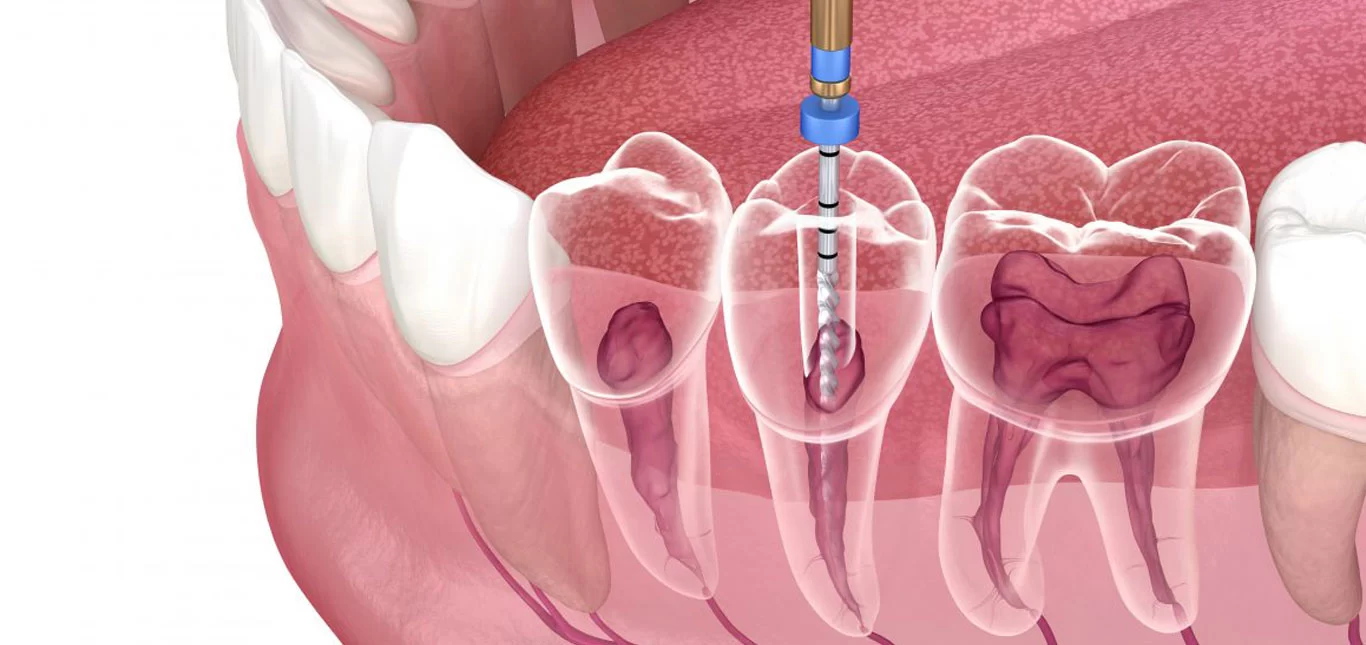
A root canal is a dental procedure designed to save a damaged or infected tooth. It involves removing the infected pulp inside the tooth and cleaning the root canals. Root canal treatments are often necessary when a tooth becomes deeply decayed or injured, causing infection in the pulp. Without treatment, this infection can spread, leading to more severe complications like tooth loss.
While many people fear the idea of a root canal, the procedure is relatively common and can save your natural tooth. In fact, with modern techniques, root canal treatments are often no more uncomfortable than getting a routine filling.
Pre-Treatment Preparation for Root Canal
Before undergoing a root canal, your dentist or endodontist will conduct a thorough examination of the affected tooth, often including X-rays. This will help them assess the extent of the damage and infection. Based on these findings, they will discuss the treatment plan with you, including whether you need antibiotics prior to the procedure to help control any infection.
On the day of the procedure, you’ll be given local anesthesia to numb the area surrounding the affected tooth. This ensures that you won’t feel pain during the procedure, though you may still feel some pressure.
Steps Involved in a Root Canal Procedure
1. Numbing the Area
Once you’re comfortably settled in the dental chair, the first step is to numb the tooth and surrounding area with local anesthesia. This ensures you remain pain-free throughout the treatment.
2. Accessing the Pulp
After the area is numb, the dentist will make a small hole in the crown of the tooth to access the infected pulp inside. This allows them to remove the damaged or decayed tissue.
3. Cleaning the Root Canals
Once the pulp is removed, the dentist will clean the root canals thoroughly to remove any remaining bacteria and debris. The canals are then shaped to prepare for filling.
4. Filling the Tooth
After cleaning, the root canals are filled with a biocompatible material to seal them. This prevents future infections from occurring in the treated tooth.
5. Sealing the Tooth
Once the root canals are filled, your dentist will place a temporary or permanent filling in the hole made to access the tooth. If the tooth requires further restoration, such as a crown, this will typically be scheduled for a later visit.
Managing Pain During Root Canal Treatment
One of the most common concerns about root canal treatment is pain. However, with advancements in dental techniques and anesthesia, most patients experience little to no pain during the procedure. The local anesthetic used ensures that the area around the tooth is numbed, so you won’t feel the work being done.
After the procedure, some mild discomfort or soreness is normal, but this can usually be managed with over-the-counter pain relievers. Your dentist may also prescribe medication if needed. If you experience severe pain or swelling, it’s important to contact your dentist promptly, as this may indicate an issue with the procedure.
Recovery and Aftercare for Root Canal
After the root canal procedure, it’s essential to follow your dentist’s aftercare instructions to ensure proper healing. For the first few days, you may experience some tenderness, especially when chewing or applying pressure to the treated tooth. This discomfort usually subsides within a few days.
Post-Procedure Care Tips:
- Avoid chewing on the treated tooth until it is fully restored with a permanent filling or crown.
- Take any prescribed medications as directed to manage pain and prevent infection.
- Maintain good oral hygiene, including brushing and flossing gently around the treated area.
If your tooth requires a crown or further restoration, your dentist will schedule another appointment. It’s crucial to protect the tooth from damage or further infection during the healing process.
Real-Life Experiences: Root Canal Treatment Stories
Many patients who have undergone root canal treatment are pleasantly surprised by how straightforward and pain-free the procedure can be. Take Sarah’s experience, for example. She was nervous about needing a root canal but found that the procedure was much less painful than she anticipated. With the help of her dentist and local anesthesia, Sarah was able to relax during the treatment and felt almost no discomfort afterward.
Similarly, David had been putting off his root canal due to fear of pain but finally decided to go ahead after experiencing severe tooth pain. After his treatment, he reported minimal discomfort and was able to resume his normal routine the next day.
Find Professional Help for Root Canal Treatment
If you’re facing the possibility of a root canal, it’s essential to choose a dental professional you trust. At Dentistry Toothtruth, we offer expert advice and treatments to help you through your root canal procedure. Our experienced dentists use the latest techniques to ensure a smooth and pain-free experience. Don’t let tooth pain control your life—take the next step towards better oral health today.






 Northland Family Dentistry4.0 (111 review)
 Wild West Orthodontics4.0 (22 review)
 Oradell Family Dental4.0 (138 review)
 Spring Valley Dentist Office4.0 (224 review)
 Arizona's Tooth Doctor for Kids - Patients Care Center4.0 (119 review)
 Holy Family Dental Clinic4.0 (279 review)
 The Importance of Oral Health Education During Pregnancy for a Healthy Pregnancy
 Best Tips for Brushing Your Teeth Properly for Healthy Gums: Essential Techniques for Oral Health
 Why Skipping Dental Checkups Can Lead to Bigger Oral Health Problems
 Advantages of Porcelain Dental Restorations
 How Can Diabetes Cause Tooth and Gum Problems? Preventing and Managing Oral Health Issues
 Healthy Habits for Promoting Good Oral Health and Hygiene: Tips for a Healthy Smile