
Restorative Dentistry for Missing Teeth: Effective Solutions for a Confident Smile
- Why Restorative Dentistry Matters for Missing Teeth
- Common Options for Dental Restoration
- Benefits of Restorative Dentistry
- Choosing the Right Restorative Dentistry Option
- Maintaining Your Restored Smile
Why Restorative Dentistry Matters for Missing Teeth
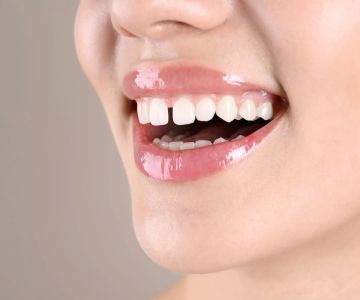
Missing teeth can significantly affect both the function and appearance of your smile. Beyond the obvious aesthetic concerns, lost teeth can cause issues with eating, speaking, and even your overall oral health. Restorative dentistry for missing teeth offers effective solutions to restore the integrity of your smile, improve functionality, and prevent further complications such as jawbone deterioration.
Whether your missing teeth are due to an accident, decay, or natural wear, restorative dentistry provides a variety of treatments that can replace teeth, rebuild lost tissue, and restore your oral health. The goal is not just cosmetic; it’s about preserving your mouth’s structure and long-term health.
Common Options for Dental Restoration
When it comes to replacing missing teeth, restorative dentistry offers several treatment options. The right solution depends on your individual needs, preferences, and the condition of your mouth. Let’s explore some of the most common options:
1. Dental Implants
Dental implants are one of the most advanced and effective restorative dentistry solutions. An implant is a titanium post surgically placed into the jawbone, serving as a stable foundation for a replacement tooth. The key benefit of dental implants is their durability, permanence, and the fact that they mimic the function and appearance of natural teeth. Implants also help preserve jawbone density, which can be compromised when teeth are missing.
2. Bridges
A dental bridge is a restoration that "bridges" the gap left by a missing tooth. It is anchored to the surrounding teeth (or dental implants) and provides a fixed replacement for the missing tooth. Bridges can restore your smile and functionality, especially if there are adjacent teeth that can support the bridge. They are a more affordable option compared to implants, though they may not be as long-lasting in the long term.
3. Dentures
For patients missing multiple teeth, dentures are a common solution. Full dentures replace all the teeth in the upper or lower jaw, while partial dentures are used when only a few teeth are missing. While dentures offer an affordable and functional solution for missing teeth, they may not be as stable or comfortable as dental implants. Newer dentures are designed to fit more securely, and modern materials offer improved comfort and appearance.
Benefits of Restorative Dentistry
Restorative dentistry for missing teeth offers numerous advantages, from enhanced aesthetics to improved oral health. Some of the top benefits include:
1. Improved Appearance
Missing teeth can cause self-consciousness and embarrassment, but restorative dentistry can give you back a complete smile. Treatments like dental implants, bridges, and dentures can restore your teeth to their natural form, improving your facial aesthetics and boosting your self-confidence.
2. Better Functionality
Missing teeth can make it difficult to chew and speak clearly. Restorative treatments help restore proper function to your mouth, allowing you to eat your favorite foods and communicate without difficulty. With the right dental restoration, you can regain the full use of your teeth.
3. Prevention of Further Oral Health Issues
When teeth are missing, the remaining teeth can shift out of place, leading to further oral health problems such as bite misalignment and jaw pain. Restorative dentistry helps maintain the structure of your mouth, preventing these complications from arising. Dental implants, for example, stimulate the jawbone, preventing bone loss that typically occurs with missing teeth.
Choosing the Right Restorative Dentistry Option
With so many options available, choosing the right restorative dentistry treatment for your missing teeth can feel overwhelming. Here are some key factors to consider when making your decision:
1. The Number of Missing Teeth
If you are missing one tooth, dental implants or a bridge may be the best option. For multiple missing teeth, dentures or a combination of implants and bridges may be ideal. Your dentist will evaluate your specific situation to recommend the most appropriate treatment.
2. Your Oral Health
The health of your remaining teeth and gums plays a crucial role in determining the best restorative dentistry option. For example, if you have sufficient jawbone density, dental implants may be a great choice. However, if your jawbone is compromised, you may need bone grafting or may opt for a bridge or denture instead.
3. Your Budget and Preferences
Costs can vary significantly depending on the procedure, so it’s important to consider your budget when selecting a treatment. While dental implants tend to be more expensive, they offer long-term durability. Dentures and bridges are typically more affordable but may require more maintenance and adjustments over time.
Maintaining Your Restored Smile
Once your teeth have been restored, it’s essential to maintain good oral hygiene practices to keep your smile healthy and vibrant. Here are a few tips for ensuring the longevity of your restorative dental treatments:
1. Regular Brushing and Flossing
Continue to brush and floss regularly, especially around dental implants, bridges, or dentures, to prevent plaque buildup and maintain gum health.
2. Avoid Hard Foods
Avoid chewing on hard objects that could damage your dental restorations. This includes ice, hard candies, and other tough foods.
3. Visit Your Dentist Regularly
Regular dental check-ups are essential for ensuring that your restorations are functioning properly and that your oral health is maintained. Your dentist can spot any potential issues early on and help you prevent complications.
If you’re ready to explore restorative dentistry for missing teeth and discover the best options for your smile, visit Dentistry Toothtruth to learn more about our comprehensive range of restorative dental treatments and products. Our expert team is ready to help you achieve the smile you deserve.

 Family Dental Care4.0 (212 review)
 Amazing Kidz Pediatric Dentistry4.0 (143 review)
 Gulf Coast Orthodontics5.0 (65 review)
 Alliance Orthodontics4.0 (23 review)
 Brident Dental & Orthodontics3.0 (509 review)
 Eric Hansen, LD0.0 (0 review)
 The Importance of Oral Health Education During Pregnancy for a Healthy Pregnancy
 Best Tips for Brushing Your Teeth Properly for Healthy Gums: Essential Techniques for Oral Health
 Why Skipping Dental Checkups Can Lead to Bigger Oral Health Problems
 Advantages of Porcelain Dental Restorations
 How Can Diabetes Cause Tooth and Gum Problems? Preventing and Managing Oral Health Issues
 Healthy Habits for Promoting Good Oral Health and Hygiene: Tips for a Healthy Smile