
Restoration Options for Decayed Teeth: Effective Solutions to Revive Your Smile
- Understanding Tooth Decay and Its Impact on Your Smile
- Common Restoration Options for Decayed Teeth
- How to Choose the Right Restoration for Your Decayed Teeth
- Case Study: Successful Restoration of Decayed Teeth
- Post-Restoration Care Tips for Long-Lasting Results
- Where to Learn More About Dental Restoration Options
1. Understanding Tooth Decay and Its Impact on Your Smile
Tooth decay is one of the most common dental issues affecting both children and adults. It occurs when bacteria in the mouth produce acids that erode the enamel of the teeth, creating cavities. If left untreated, tooth decay can progress and damage the deeper layers of the tooth, leading to pain, infections, and even tooth loss.
Not only can tooth decay affect the function of your teeth, but it can also alter the appearance of your smile. A decayed tooth can become discolored, chipped, or misshapen. The good news is that there are effective restoration options for decayed teeth that can help restore both function and aesthetics.
2. Common Restoration Options for Decayed Teeth
When it comes to restoring decayed teeth, there are several dental procedures to choose from, depending on the severity of the decay. The most common restoration options for decayed teeth include:
- Fillings: Fillings are the most common and straightforward treatment for cavities. Dentists use a variety of materials for fillings, including amalgam (silver fillings), composite resin (tooth-colored fillings), and gold. The choice of material depends on the location of the cavity, the size of the decay, and your aesthetic preferences.
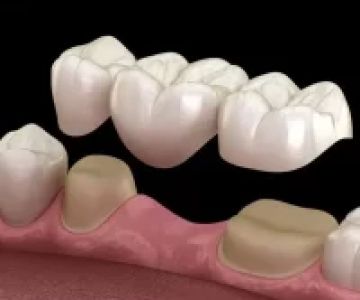
- Dental Crowns: For more extensive decay that affects a large portion of the tooth, a dental crown may be needed. A crown is a cap that covers the entire tooth, restoring its shape and function. Crowns can be made of metal, porcelain, or a combination of both, providing both strength and a natural appearance.
- Root Canals: If decay reaches the pulp (the innermost part of the tooth), a root canal procedure may be necessary. This involves removing the infected pulp, cleaning the tooth, and sealing it with a filling or crown. Root canals can save teeth that would otherwise need to be extracted.
- Inlays and Onlays: Inlays and onlays are used for larger cavities that cannot be filled with a standard filling but are not large enough to require a crown. These are custom-made restorations that fit into or over the decayed portion of the tooth, restoring its structure and appearance.
3. How to Choose the Right Restoration for Your Decayed Teeth
Choosing the right restoration option for decayed teeth depends on several factors, including the extent of the decay, the location of the affected tooth, and your overall oral health. Here are some considerations to help you make the best decision:
- Severity of Decay: If the decay is minor, a simple filling may be enough. However, if the decay is more severe, a dental crown or root canal might be required.
- Aesthetic Preferences: For teeth visible when you smile, many patients prefer tooth-colored materials such as composite fillings or porcelain crowns to maintain a natural look.
- Budget: Some restoration options, like gold crowns or root canals, can be more expensive than basic fillings. Your dentist can provide a cost estimate based on your needs.
- Longevity: Dental crowns and root canals tend to offer longer-lasting results than fillings, especially for larger cavities or teeth that endure a lot of pressure, such as molars.
4. Case Study: Successful Restoration of Decayed Teeth
Take the case of John, a 45-year-old man who had been dealing with tooth decay for years but never took action until the pain became unbearable. John had a large cavity in one of his back molars, and his dentist recommended a root canal followed by a dental crown to restore the tooth.
After undergoing the procedure, John was amazed at how well the restoration worked. "I was nervous about the root canal, but the process was relatively painless," he recalls. "My crown looks just like my natural tooth, and I can chew and talk without any discomfort." John’s case is an example of how modern dental procedures can successfully restore decayed teeth and improve both function and appearance.
5. Post-Restoration Care Tips for Long-Lasting Results
Once you’ve restored your decayed teeth, it’s important to take proper care of them to ensure long-lasting results. Here are some tips for maintaining your dental restorations:
- Brush and Floss Regularly: Keep your teeth and restorations clean by brushing twice a day with fluoride toothpaste and flossing daily to remove plaque buildup around the restorations.
- Visit Your Dentist Regularly: Schedule routine checkups and cleanings to monitor the condition of your restorations and catch any potential issues early.
- Avoid Hard Foods: Be cautious with hard foods or substances like ice that could damage or dislodge your restorations.
- Address Teeth Grinding: If you grind your teeth, talk to your dentist about wearing a mouthguard to prevent damage to your restorations.
6. Where to Learn More About Dental Restoration Options
To learn more about the best restoration options for decayed teeth and how they can benefit your oral health, visit Dentistry Toothtruth. Our team of experts can guide you through the restoration process and help you choose the most effective treatment for your needs.
With the right restoration, you can not only restore the function of your teeth but also regain the confidence of a healthy, beautiful smile. Don’t wait—consult with a dentist today to explore your options for treating decayed teeth and keeping your smile in top shape.

 Dr. Michael Silverman Dental P.C.4.0 (23 review)
 Mission Dental Arts5.0 (167 review)
 ClearChoice Dental Implant Center4.0 (383 review)
 Potter Orthodontics4.0 (131 review)
 Reflections Dental4.0 (542 review)
 Michael E Krone & Associates5.0 (39 review)
 The Importance of Oral Health Education During Pregnancy for a Healthy Pregnancy
 Best Tips for Brushing Your Teeth Properly for Healthy Gums: Essential Techniques for Oral Health
 Why Skipping Dental Checkups Can Lead to Bigger Oral Health Problems
 Advantages of Porcelain Dental Restorations
 How Can Diabetes Cause Tooth and Gum Problems? Preventing and Managing Oral Health Issues
 Healthy Habits for Promoting Good Oral Health and Hygiene: Tips for a Healthy Smile