
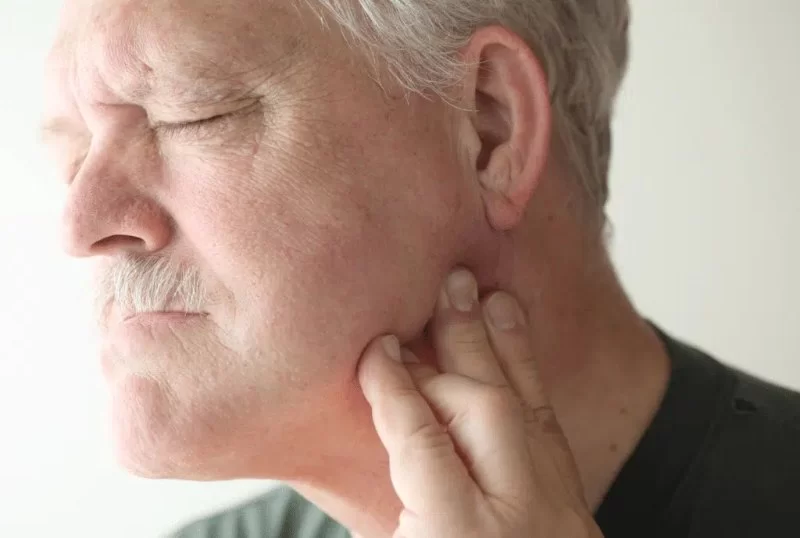
Recognizing Early Signs of Jaw Joint Disorders and When to Act
- Introduction
- What Are Jaw Joint Disorders?
- Early Signs of Jaw Joint Disorders
- When to Seek Treatment
- How Treatment Helps
- Conclusion
Jaw joint disorders, also known as temporomandibular joint (TMJ) disorders, are common issues that can cause significant discomfort and affect daily life. These disorders affect the joint connecting the jawbone to the skull, causing pain and restricted movement. Recognizing the early signs of jaw joint disorders can help you take action before the condition worsens. In this article, we’ll explore the symptoms of TMJ disorders, when to seek treatment, and how early intervention can help manage the condition.
1. What Are Jaw Joint Disorders?
Jaw joint disorders occur when the temporomandibular joint (TMJ), which connects the jaw to the skull, becomes damaged or malfunctions. This can lead to pain, clicking or popping sounds, difficulty chewing, and headaches. TMJ disorders are typically caused by injury, arthritis, or jaw misalignment, though they can also be a result of stress or teeth grinding.
2. Early Signs of Jaw Joint Disorders
Identifying the early signs of jaw joint disorders can prevent more severe symptoms from developing. If you notice any of the following signs, it may be time to consult with a dentist or healthcare provider for an evaluation.
2.1. Jaw Pain or Tenderness
One of the most common symptoms of TMJ disorders is pain or tenderness in the jaw. You might notice pain when opening your mouth wide, chewing, or speaking. The pain can be sharp or aching, and it may radiate to the neck or shoulders.
2.2. Clicking or Popping Sounds
If you hear clicking, popping, or grating sounds when moving your jaw, it could be a sign of a TMJ disorder. These sounds may be accompanied by pain or discomfort, but they can also occur without any noticeable pain.
2.3. Limited Jaw Movement
Difficulty opening your mouth wide, or feeling like your jaw is "locked" in place, is another common symptom. This can make it difficult to eat, talk, or perform other daily tasks.
2.4. Headaches and Earaches
TMJ disorders can cause headaches, particularly in the temples, and earaches. These headaches may feel similar to migraines and can worsen when the jaw is in motion or under stress.
2.5. Teeth Grinding or Clenching
Many individuals with TMJ disorders also grind or clench their teeth, particularly at night. This can lead to worn-down teeth, increased pain, and further damage to the jaw joint.
3. When to Seek Treatment
If you notice any of the early signs of jaw joint disorders, it’s important to seek treatment as soon as possible. Early intervention can prevent the condition from worsening and help alleviate pain. Here’s when you should seek professional help:
3.1. Persistent Pain
If your jaw pain lasts for more than a few days or becomes more intense over time, it’s a good idea to see a dentist or healthcare provider. Persistent pain is often a sign that the condition is not improving on its own.
3.2. Difficulty Moving the Jaw
If you have difficulty opening or closing your mouth, or if your jaw feels "stuck," it’s important to seek treatment. Limited jaw movement can affect your ability to perform daily activities and may signal a more severe problem.
3.3. Unexplained Headaches or Earaches
If you are experiencing frequent headaches, earaches, or facial pain, especially in combination with jaw discomfort, it’s essential to consult a professional. These symptoms can be associated with TMJ disorders and may be alleviated with proper treatment.
4. How Treatment Helps
Treatment for jaw joint disorders typically focuses on relieving pain, restoring proper jaw movement, and preventing further damage to the joint. The type of treatment you need will depend on the severity of the disorder.
4.1. Conservative Treatments
Conservative treatments include lifestyle changes, physical therapy, and medications. Jaw exercises, heat or cold compresses, and pain relievers can help manage symptoms. A dentist may also recommend a mouthguard to prevent teeth grinding at night.
4.2. Surgical Interventions
In severe cases, surgery may be necessary to repair or replace the jaw joint. This is typically considered when conservative treatments have not been effective in managing symptoms or if there is significant damage to the joint.
4.3. Ongoing Care and Monitoring
After receiving treatment, ongoing care and monitoring are important to ensure that the jaw joint remains healthy. Your dentist may recommend regular follow-up visits to assess the condition and adjust your treatment plan as needed.
5. Conclusion
Recognizing the early signs of jaw joint disorders and seeking treatment promptly can prevent the condition from worsening and improve your overall quality of life. If you notice any symptoms such as jaw pain, clicking, or difficulty moving your jaw, it’s essential to consult a dentist or healthcare provider for an evaluation. With proper treatment, most people with TMJ disorders can find relief and resume their daily activities without discomfort. For personalized care and recommendations, visit Family Dentistry Online to schedule a consultation and take the first step toward better jaw health.



 Loma Linda University School of Dentistry3.0 (154 review)
 Suburban Dental Medicine4.0 (31 review)
 Encino Cosmetic Dentistry - Roberta Cerveny, DDS4.0 (36 review)
 Honey Creek Dental4.0 (58 review)
 St Anthony Park Dental Care: Grossmann, Todd A DDS5.0 (4 review)
 Nu Smile Aligner5.0 (1 review)
 The Importance of Oral Health Education During Pregnancy for a Healthy Pregnancy
 Best Tips for Brushing Your Teeth Properly for Healthy Gums: Essential Techniques for Oral Health
 Why Skipping Dental Checkups Can Lead to Bigger Oral Health Problems
 Advantages of Porcelain Dental Restorations
 How Can Diabetes Cause Tooth and Gum Problems? Preventing and Managing Oral Health Issues
 Healthy Habits for Promoting Good Oral Health and Hygiene: Tips for a Healthy Smile