
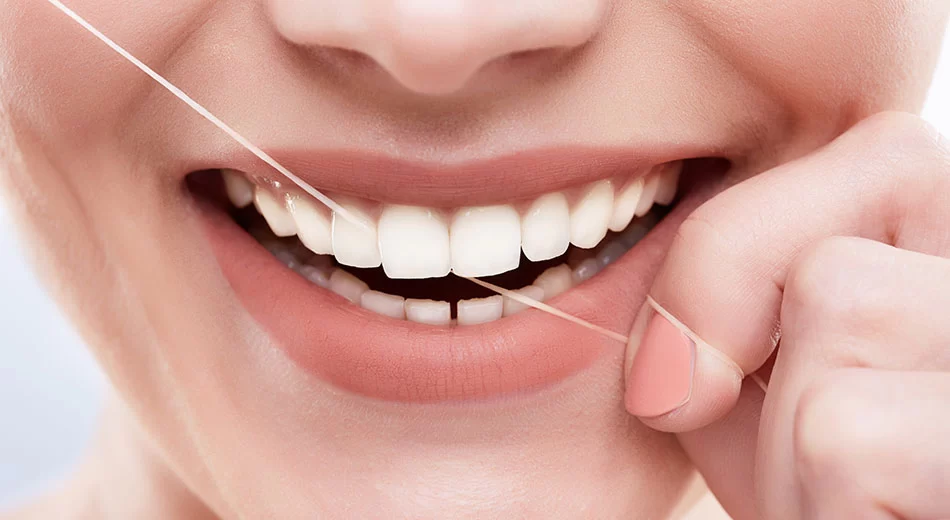
Preventive Dental Treatments to Maintain Healthy Teeth and Gums
- 1. The Importance of Preventive Dental Care
- 2. Regular Dental Checkups and Cleanings
- 3. Fluoride Treatments and Dental Sealants
- 4. The Role of Diet in Maintaining Healthy Teeth
- 5. Avoiding Common Dental Issues Through Prevention
- 6. How Preventive Treatments Save You Money
1. The Importance of Preventive Dental Care
Preventive dental treatments are essential for maintaining the long-term health of your teeth and gums. These treatments focus on preventing common dental issues like tooth decay, gum disease, and enamel erosion, rather than addressing them after they’ve already caused damage. By investing in preventive care, you not only save time and money but also ensure that your smile remains healthy for years to come.
Incorporating simple habits like regular brushing, flossing, and using mouthwash can go a long way. However, professional dental treatments are key to effectively preventing dental problems. In this article, we will explore the different preventive dental treatments available and explain their benefits.
2. Regular Dental Checkups and Cleanings
One of the most crucial aspects of preventive dental care is visiting your dentist regularly for checkups and professional cleanings. During these visits, your dentist will check for early signs of tooth decay, gum disease, and other oral health issues. Even if you brush and floss diligently at home, there are areas in your mouth that can be difficult to reach, and professional cleaning ensures those areas are thoroughly cleaned.
Most experts recommend scheduling a dental checkup every six months. This routine visit allows your dentist to identify potential problems early, when they’re easier and less expensive to treat. Regular checkups also help you stay on top of your oral hygiene and make sure you're doing everything necessary to prevent issues from developing.
3. Fluoride Treatments and Dental Sealants
Fluoride treatments are another form of preventive dental care that can help protect your teeth from decay. Fluoride is a naturally occurring mineral that strengthens tooth enamel, making it more resistant to harmful acids that cause cavities. Many dental professionals offer fluoride treatments during routine visits, which can be especially beneficial for children, as their teeth are still developing and more susceptible to cavities.
Dental sealants are another preventive treatment that can protect your teeth from decay, particularly in the back teeth, which are prone to cavities due to their uneven surfaces. Sealants are thin, protective coatings that are applied to the chewing surfaces of your molars and premolars. These sealants act as a barrier, preventing food particles and bacteria from getting trapped in the grooves of your teeth.
4. The Role of Diet in Maintaining Healthy Teeth
What you eat plays a significant role in the health of your teeth and gums. A balanced diet rich in vitamins and minerals can help prevent tooth decay and gum disease, while sugary and acidic foods can contribute to both. For example, consuming too many sugary snacks and drinks feeds the bacteria in your mouth, leading to plaque buildup and cavities.
On the other hand, eating foods high in calcium, like dairy products, and foods rich in antioxidants, like fruits and vegetables, can help strengthen your teeth and gums. Avoiding acidic beverages such as soda or citrus juices also helps to protect your enamel from erosion.
5. Avoiding Common Dental Issues Through Prevention
Preventive dental treatments help avoid a wide range of common oral health problems. Regular cleanings prevent plaque buildup, which can lead to gum disease if left untreated. Fluoride treatments and sealants can protect your teeth from cavities and other forms of decay. In addition, practicing good oral hygiene at home can help you avoid issues like bad breath and tooth sensitivity.
By focusing on prevention, you can significantly reduce your risk of developing more serious oral health problems like tooth loss and root infections, which can be both painful and expensive to treat.
6. How Preventive Treatments Save You Money
Many people assume that preventive dental care is expensive, but in the long run, it can save you a significant amount of money. Catching and treating dental problems early is always less expensive than waiting until they become more severe. For example, treating a small cavity with a filling is much cheaper than needing a root canal or crown later on.
Additionally, preventive treatments like fluoride treatments and sealants are relatively affordable, especially when compared to the cost of extensive restorative work. Regular checkups, cleanings, and preventive care are an investment in your oral health that pays off over time.
If you're looking for more information on preventive dental treatments and want to take better care of your oral health, visit Dentistry Toothtruth for expert advice and products that can help maintain your healthy smile.






 Lifetime Family Dental PLLC0.0 (0 review)
 Gentle Dental West Roxbury4.0 (285 review)
 Eastern Dental4.0 (897 review)
 Safari Dental & Orthodontics4.0 (1362 review)
 Pacific Northwest Orthodontics5.0 (1 review)
 Creve Coeur Dental4.0 (399 review)
 The Importance of Oral Health Education During Pregnancy for a Healthy Pregnancy
 Best Tips for Brushing Your Teeth Properly for Healthy Gums: Essential Techniques for Oral Health
 Why Skipping Dental Checkups Can Lead to Bigger Oral Health Problems
 Advantages of Porcelain Dental Restorations
 How Can Diabetes Cause Tooth and Gum Problems? Preventing and Managing Oral Health Issues
 Healthy Habits for Promoting Good Oral Health and Hygiene: Tips for a Healthy Smile