
Preventive Dental Care Tips: A Guide to Maintaining Healthy Teeth
- 1. The Importance of Preventive Dental Care
- 2. Daily Habits for Better Oral Health
- 3. The Role of Routine Dental Checkups
- 4. How a Healthy Diet Supports Oral Health
- 5. Choosing the Right Dental Products for Your Needs
- 6. Common Dental Issues and How to Prevent Them
1. The Importance of Preventive Dental Care
Preventive dental care is the cornerstone of maintaining long-term oral health. It focuses on practices that help prevent tooth decay, gum disease, and other dental problems before they occur. This proactive approach not only helps you avoid expensive dental treatments but also ensures your teeth and gums stay healthy throughout your life.
By adopting preventive dental care, you reduce the risks of cavities, gum disease, and tooth loss, which are common issues that affect individuals across all age groups. Whether it's brushing twice a day, flossing regularly, or using fluoride treatments, every small action counts when it comes to preserving your smile.
2. Daily Habits for Better Oral Health
Your daily habits play a significant role in keeping your teeth and gums in good shape. The most essential routine is brushing your teeth properly at least twice a day. Use a soft-bristled toothbrush and fluoride toothpaste to remove plaque and bacteria.
Flossing once a day is equally important as it helps remove food particles and plaque from between the teeth that a toothbrush can’t reach. Additionally, using mouthwash can provide extra protection against bacteria and bad breath.
Also, remember to replace your toothbrush every 3 to 4 months and after you've been sick, as bacteria can accumulate on worn-out bristles.
3. The Role of Routine Dental Checkups
Even with the best at-home dental care, regular visits to your dentist are crucial. A dental checkup is an opportunity for your dentist to monitor your oral health and identify any potential issues early. Routine cleanings help remove tartar buildup, which can lead to gum disease and cavities.
Typically, you should schedule a dental checkup at least once every six months. During the visit, your dentist may also take X-rays to detect hidden problems such as cavities between your teeth or below the gumline.
4. How a Healthy Diet Supports Oral Health
A balanced diet plays a crucial role in maintaining oral health. Foods that are rich in calcium, such as dairy products, leafy greens, and fortified foods, help strengthen your teeth. Vitamin D is also essential for oral health as it helps your body absorb calcium more effectively.
Avoid sugary snacks and drinks, which contribute to tooth decay. Instead, focus on eating fresh fruits and vegetables, which naturally clean teeth while providing essential nutrients. Drinking plenty of water also helps rinse away food particles and keep your mouth hydrated.
5. Choosing the Right Dental Products for Your Needs
Not all dental products are created equal. When selecting toothpaste, mouthwash, and floss, it’s important to choose products that meet your specific oral health needs. For example, if you have sensitive teeth, opt for toothpaste designed for sensitivity. Those prone to cavities may benefit from toothpaste with fluoride, which strengthens tooth enamel.
When shopping for dental floss, select one that easily slides between your teeth, and for mouthwash, look for one that fights plaque and bad breath. Always consult with your dentist for recommendations on the best products for your dental needs.
6. Common Dental Issues and How to Prevent Them
Dental issues such as cavities, gum disease, and bad breath are common, but they are also preventable. Cavities are caused by plaque buildup, which can be prevented by brushing and flossing regularly. Gum disease is another common problem that can be avoided by keeping your gums clean and healthy through daily oral hygiene.
Bad breath, often caused by bacteria in the mouth, can be reduced by using mouthwash and maintaining proper oral hygiene. Avoiding tobacco products is also essential for preventing oral health problems, as they can contribute to gum disease and oral cancer.






 All Star Orthodontics5.0 (566 review)
 Pennsylvania Endodontic Specialists4.0 (155 review)
 Central Park Dental Aesthetics4.0 (129 review)
 Bradley Dental Group: Dr. Yee3.0 (7 review)
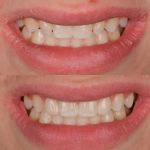 Amsterdam Dental Group4.0 (184 review)
 St. Bernard Hospital Dental Center3.0 (44 review)
 The Importance of Oral Health Education During Pregnancy for a Healthy Pregnancy
 Best Tips for Brushing Your Teeth Properly for Healthy Gums: Essential Techniques for Oral Health
 Why Skipping Dental Checkups Can Lead to Bigger Oral Health Problems
 Advantages of Porcelain Dental Restorations
 How Can Diabetes Cause Tooth and Gum Problems? Preventing and Managing Oral Health Issues
 Healthy Habits for Promoting Good Oral Health and Hygiene: Tips for a Healthy Smile