
How Can I Prevent Plaque Buildup on My Teeth? Effective Tips and Prevention Strategies
- 1. Understanding Plaque and Its Effects on Your Teeth
- 2. Common Causes of Plaque Buildup on Teeth
- 3. How to Prevent Plaque Buildup: Top Tips
- 4. Effective Habits to Reduce Plaque on Your Teeth
- 5. Real-Life Examples: How Plaque Prevention Works
- 6. Recommended Products for Better Oral Hygiene
1. Understanding Plaque and Its Effects on Your Teeth
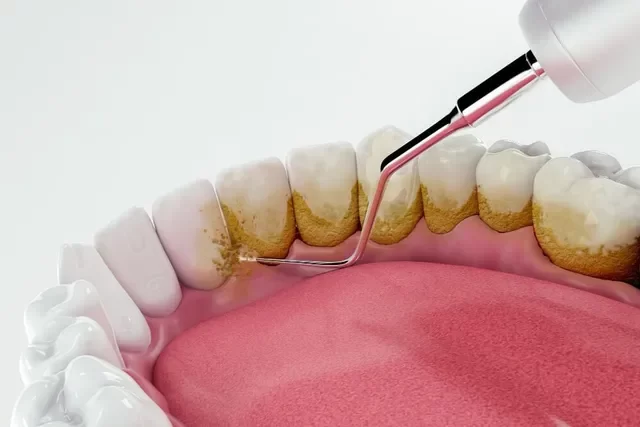
Plaque is a soft, sticky film of bacteria that forms on your teeth and gums after eating or drinking. It is a natural part of oral health but can lead to serious dental issues if not regularly removed. Plaque contains bacteria that feed on food particles and sugars, which then produce acids that can erode tooth enamel, leading to cavities, gum disease, and bad breath.
If plaque is not removed by regular brushing and flossing, it hardens into tartar, which can only be removed by a dentist. This makes it even more difficult to maintain good oral hygiene and increases the risk of oral health problems.
2. Common Causes of Plaque Buildup on Teeth
Several factors can contribute to plaque buildup on your teeth. Understanding these causes can help you take proactive steps to prevent plaque and maintain healthy teeth:
- Poor Oral Hygiene: If you don't brush or floss your teeth regularly, plaque can build up. Neglecting to clean your teeth allows plaque to harden and cause further dental issues.
- Diet High in Sugars and Starches: Foods rich in sugars and refined carbohydrates are a primary source of food for plaque-causing bacteria. These foods, such as candies, sodas, and pastries, create an ideal environment for bacteria to thrive.
- Smoking or Chewing Tobacco: Tobacco products can increase plaque buildup by reducing saliva flow, which helps wash away food particles and bacteria from the mouth.
- Dry Mouth: Saliva helps neutralize acids and rinse away food particles. A dry mouth, whether caused by medication or other health issues, can contribute to plaque buildup.
- Genetics: Some individuals may have a genetic predisposition to plaque buildup, as certain factors like the pH balance of their saliva or the shape of their teeth can influence how much plaque forms.
Identifying these common causes will help you make changes to prevent plaque buildup and maintain healthier teeth.
3. How to Prevent Plaque Buildup: Top Tips
Preventing plaque buildup starts with a solid oral hygiene routine. Here are some key strategies to keep plaque at bay:
- Brush Your Teeth Regularly: Brush your teeth at least twice a day with fluoride toothpaste. This helps remove plaque before it hardens into tartar. Be sure to use a soft-bristled brush and reach all areas, including the gumline and the backs of your teeth.
- Floss Daily: Flossing removes food particles and plaque from between your teeth and below the gumline, areas that a toothbrush cannot effectively clean. Make it a habit to floss at least once a day.
- Limit Sugary and Acidic Foods: Reducing your intake of sugary and acidic foods is key to preventing plaque. These foods fuel the bacteria that form plaque, so replacing them with healthier alternatives will help protect your teeth.
- Stay Hydrated: Drinking plenty of water helps wash away food particles and bacteria, reducing plaque formation. It also helps maintain healthy saliva levels, which naturally fight plaque buildup.
- Use Mouthwash: An antimicrobial mouthwash can help kill bacteria in your mouth and provide an extra layer of protection against plaque buildup. Look for a mouthwash that also helps with gum health and freshens your breath.
By following these simple but effective steps, you can prevent plaque from accumulating on your teeth and maintain a healthy, clean mouth.
4. Effective Habits to Reduce Plaque on Your Teeth
In addition to regular brushing and flossing, there are other habits you can incorporate into your daily routine to reduce plaque buildup:
- Chew Sugar-Free Gum: Chewing sugar-free gum after meals can stimulate saliva production, which helps neutralize acids and wash away food particles that contribute to plaque formation.
- Use a Tongue Scraper: The surface of your tongue can harbor bacteria that contribute to plaque and bad breath. Using a tongue scraper can help keep your tongue clean and reduce bacteria in your mouth.
- Get Regular Dental Check-Ups: Professional cleanings by your dentist are essential for removing plaque and tartar that you can't eliminate at home. Visit your dentist regularly to maintain good oral health.
Incorporating these habits into your routine will help you stay ahead of plaque buildup and maintain optimal oral hygiene.
5. Real-Life Examples: How Plaque Prevention Works
Let’s look at the example of John, who struggled with plaque buildup for years. Despite brushing and flossing, he found that plaque kept returning, especially in the back of his mouth. His dentist advised him to improve his diet and make certain habits, like drinking more water and using a tongue scraper, part of his daily routine.
After just a few months, John noticed a significant reduction in plaque buildup. His gums were healthier, and his teeth felt smoother. His experience shows that plaque prevention requires consistent effort, but with the right strategies, you can reduce plaque and enjoy a healthier smile.
6. Recommended Products for Better Oral Hygiene
If you're serious about preventing plaque buildup, consider using the following products:
- Electric Toothbrush: Electric toothbrushes can remove plaque more effectively than manual brushes, especially when used properly.
- Fluoride Toothpaste: Fluoride toothpaste helps strengthen enamel and prevents plaque formation. Make sure to choose one that is suitable for your needs.
- Interdental Brushes: These tiny brushes are ideal for cleaning between your teeth, where plaque often builds up.
- Antimicrobial Mouthwash: A good antimicrobial mouthwash can help reduce plaque by killing bacteria in your mouth and promoting healthier gums.
For a complete list of recommended products, visit Dentistry Toothtruth and explore expert reviews and suggestions to enhance your oral hygiene routine.

 Mirage Dental Care - Dr. Empaljit Singh Gill5.0 (96 review)
 Daniel Jeffrey Cohen, DDS5.0 (117 review)
 Oakwood Dental Arts4.0 (470 review)
 T. R. Smiles Dental4.0 (215 review)
 Robb D. Kozlowski, DDS0.0 (0 review)
 Smiles On Bridgetown5.0 (87 review)
 The Importance of Oral Health Education During Pregnancy for a Healthy Pregnancy
 Best Tips for Brushing Your Teeth Properly for Healthy Gums: Essential Techniques for Oral Health
 Why Skipping Dental Checkups Can Lead to Bigger Oral Health Problems
 Advantages of Porcelain Dental Restorations
 How Can Diabetes Cause Tooth and Gum Problems? Preventing and Managing Oral Health Issues
 Healthy Habits for Promoting Good Oral Health and Hygiene: Tips for a Healthy Smile