
The Potential Consequence of Poor Oral Hygiene
Poor oral hygiene is more than just an issue of cavities or bad breath; it can create a chain reaction of health problems that affect both the mouth and the body. In the United States, many adults and children underestimate the long-term impact of neglecting daily oral care. While brushing and flossing may seem like small routines, their absence can result in gum disease, tooth loss, and even increased risks for systemic health conditions. Understanding these consequences is crucial to building lifelong healthy habits and preventing avoidable health struggles.
1. Dental Problems That Develop from Poor Oral Hygiene
1.1 Cavities and Tooth Decay
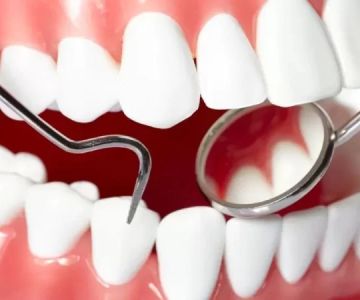
When plaque is not removed through regular brushing and flossing, it hardens into tartar, creating an environment where bacteria thrive. This often leads to cavities, which, if left untreated, can progress to painful infections. Many parents in the U.S. can recall the experience of a child complaining about tooth pain at night—often a result of cavities caused by sugary snacks combined with poor brushing habits.
1.2 Gum Disease and Its Serious Impact
Another major consequence is gum disease, which often begins with gingivitis. Early signs include bleeding gums when brushing or flossing. If ignored, gingivitis can progress to periodontitis, a more severe stage where gums pull away from the teeth, leading to bone loss. In one documented case, a 40-year-old man ignored minor gum bleeding for years. By the time he sought treatment, advanced gum disease had set in, requiring multiple tooth extractions. This illustrates how neglecting oral hygiene can escalate quickly.
1.3 Tooth Loss and Its Lifestyle Effects
Losing teeth not only impacts a person’s smile but also their self-confidence and ability to enjoy daily activities like eating. In severe cases, dental implants or dentures become the only option to restore function. Tooth loss can also affect speech clarity, creating unnecessary social and professional challenges. In America, where personal image often connects with confidence and opportunities, the consequences of tooth loss can ripple far beyond health concerns.
2. Broader Health Risks Associated with Poor Oral Hygiene
2.1 Connection to Heart Disease and Diabetes
Research has shown a strong link between oral health and systemic health. Poor oral hygiene allows bacteria to enter the bloodstream, potentially contributing to heart disease. Similarly, individuals with diabetes are more prone to gum infections, and untreated gum disease can worsen blood sugar control. For example, a patient with unmanaged gum disease reported struggling to keep their diabetes under control. After professional dental treatment and consistent oral care, their blood sugar levels stabilized significantly.
2.2 Respiratory Infections and Oral Health
Bacteria from the mouth can also travel to the lungs, particularly in individuals with weakened immune systems. This can increase the risk of respiratory infections such as pneumonia. For elderly patients, especially those in long-term care, maintaining oral hygiene is essential for reducing these risks. Families across the U.S. have seen how preventive dental visits can protect vulnerable loved ones from more severe health complications.
2.3 Impact on Mental Health and Quality of Life
Beyond physical conditions, the emotional toll of poor oral hygiene is significant. Children bullied for bad breath, teenagers hiding their smiles due to tooth stains, and adults embarrassed during professional interactions all demonstrate how oral health directly influences mental well-being. These stories highlight the importance of building consistent routines early in life and seeking professional care when needed.
3. Preventive Strategies and Professional Guidance
3.1 Daily Habits That Protect Oral Health
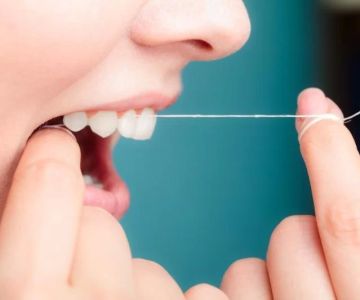
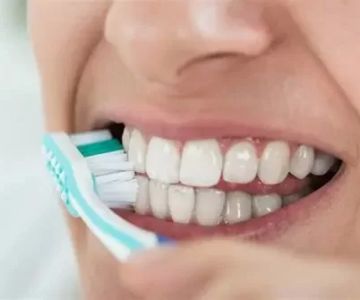
Prevention always starts at home. Brushing twice daily with fluoride toothpaste, flossing once a day, and using a gentle mouth rinse can dramatically reduce the risks of oral disease. Families that establish routines early often see better outcomes, as children grow up recognizing oral hygiene as a natural part of daily self-care. Simple lifestyle changes, like reducing sugary drinks and choosing fresh fruits and vegetables, also support oral health naturally.
3.2 The Role of Regular Dental Visits
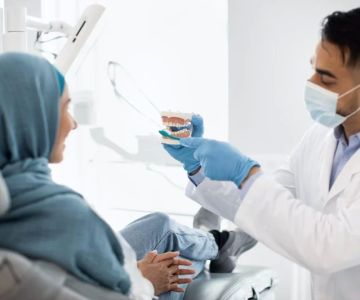
While home care is essential, professional check-ups play a key role in identifying hidden issues before they escalate. Dentists can provide cleanings to remove tartar, apply protective treatments, and offer personalized guidance based on a patient’s unique needs. In many U.S. households, delaying dental appointments has resulted in higher long-term costs and more complex treatments. Routine visits are an investment that pays off in both health and financial savings.
3.3 Accessing Trusted Professional Support
For families seeking reliable dental guidance, Family Dentistry Online provides valuable resources and professional recommendations. Whether it’s preventive care, treatment options, or educational support, accessing professional services ensures that oral health is maintained at every stage of life. With the right support, the potential consequences of poor oral hygiene can be avoided, creating healthier smiles and stronger overall health outcomes.


 Opus Dental Esthetics: Derek Conover, DMD5.0 (174 review)
 Chalet Dental Care5.0 (739 review)
 Lund Family Dentistry5.0 (424 review)
 Eastern Dental4.0 (551 review)
 Tiny Tooth Co. and Trindade Orthodontics4.0 (107 review)
 Tri-City Smiles Dentistry and Orthodontics4.0 (180 review)
 The Importance of Oral Health Education During Pregnancy for a Healthy Pregnancy
 Best Tips for Brushing Your Teeth Properly for Healthy Gums: Essential Techniques for Oral Health
 Why Skipping Dental Checkups Can Lead to Bigger Oral Health Problems
 Advantages of Porcelain Dental Restorations
 How Can Diabetes Cause Tooth and Gum Problems? Preventing and Managing Oral Health Issues
 Healthy Habits for Promoting Good Oral Health and Hygiene: Tips for a Healthy Smile