
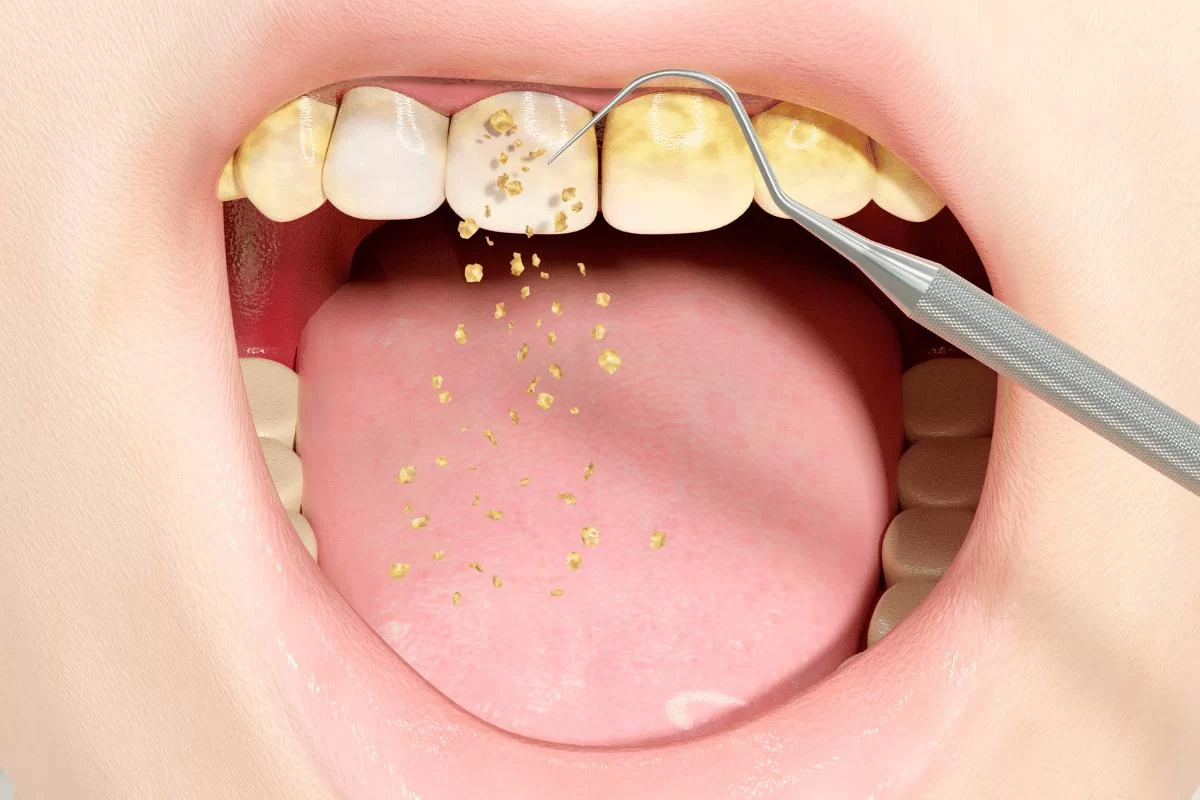
Why Do I Get Plaque Build-Up on My Teeth? Understanding the Causes and Prevention
- 1. Understanding What Plaque Is and Why It Forms
- 2. Common Causes of Plaque Build-Up on Your Teeth
- 3. How to Prevent Plaque Build-Up and Protect Your Teeth
- 4. Dental Care Tips for Reducing Plaque
- 5. Real-Life Experiences: How Plaque Build-Up Affects People
- 6. Product Recommendations for Better Oral Hygiene
1. Understanding What Plaque Is and Why It Forms
Plaque is a sticky, colorless film of bacteria that constantly forms on your teeth. It begins to develop as soon as food particles, saliva, and bacteria mix together in your mouth. Plaque is a normal part of oral health, but when not removed through regular brushing and flossing, it can harden into tartar, leading to more serious dental issues.
The bacteria in plaque feed on sugars and carbohydrates from food, producing acids that can harm your tooth enamel. Over time, this acid can lead to cavities, gum disease, and bad breath if plaque is allowed to accumulate unchecked.
2. Common Causes of Plaque Build-Up on Your Teeth
Plaque build-up is influenced by several factors. Below are some common causes:
- Poor Oral Hygiene: Failing to brush and floss regularly is the primary cause of plaque build-up. If plaque isn’t removed, it can harden into tartar, which requires professional cleaning.
- Diet High in Sugars and Starches: Foods like sugary snacks, soda, and starchy foods provide the ideal environment for bacteria to thrive and produce plaque. These foods contribute to plaque formation by feeding harmful bacteria in the mouth.
- Smoking or Chewing Tobacco: Smoking or using tobacco products can increase plaque build-up by affecting your gum health and reducing your mouth’s ability to fight off bacteria.
- Dry Mouth: Saliva helps wash away food particles and neutralize acids in your mouth. A dry mouth, whether from medications or other conditions, can contribute to plaque formation.
- Genetics: Some people may be more prone to plaque build-up due to their genetics, including factors like the composition of their saliva and the shape of their teeth.
Understanding these causes is essential in preventing plaque build-up and maintaining good oral health.
3. How to Prevent Plaque Build-Up and Protect Your Teeth
Preventing plaque is largely a matter of maintaining a good oral hygiene routine. Here are some steps you can take:
- Brush Your Teeth Twice a Day: Use fluoride toothpaste and brush for at least two minutes to effectively remove plaque from the surface of your teeth. Be sure to reach all areas, including along the gum line.
- Floss Daily: Flossing removes plaque and food particles from between your teeth and under the gumline, areas where your toothbrush may not reach.
- Limit Sugary and Acidic Foods: Reducing your intake of sugary snacks, sodas, and acidic foods can help prevent plaque from forming. Instead, focus on a balanced diet with plenty of vegetables, whole grains, and lean proteins.
- Use Mouthwash: An antimicrobial mouthwash can help kill bacteria that contribute to plaque formation. Look for one that also helps with gum health and freshens your breath.
- Regular Dental Check-Ups: See your dentist every six months for professional cleanings and check-ups. They can remove tartar and give you personalized advice for maintaining optimal oral health.
By following these simple yet effective steps, you can prevent plaque build-up and maintain a healthier, brighter smile.
4. Dental Care Tips for Reducing Plaque
In addition to regular brushing and flossing, here are a few additional tips for reducing plaque build-up:
- Drink Water: Water helps wash away food particles and bacteria that contribute to plaque. Drink water after meals to help neutralize acids in your mouth.
- Chew Sugar-Free Gum: Chewing gum after meals can stimulate saliva production, which helps reduce plaque by neutralizing acids and washing away food particles.
- Use a Tongue Scraper: Bacteria can accumulate on your tongue, contributing to plaque and bad breath. A tongue scraper can help keep your tongue clean and reduce bacterial growth.
Incorporating these habits into your routine will further help in controlling plaque and promoting long-term oral health.
5. Real-Life Experiences: How Plaque Build-Up Affects People
Many individuals have experienced the negative effects of plaque build-up firsthand. Take Sarah, for example, who struggled with plaque and gum irritation for years. Despite regular brushing, she often ate a diet high in sugar and rarely flossed. Eventually, her dentist informed her that she had significant plaque build-up and early-stage gum disease.
After adopting better oral hygiene habits, such as daily flossing and reducing sugar intake, Sarah noticed a significant improvement in her gum health and no longer experienced the discomfort of plaque build-up.
Her story is just one example of how plaque build-up can affect anyone, but with the right prevention and care, you can avoid similar issues.
6. Product Recommendations for Better Oral Hygiene
If you're looking to improve your oral hygiene routine and prevent plaque, consider the following products:
- Electric Toothbrushes: An electric toothbrush can be more effective than a manual one at removing plaque and improving gum health.
- Fluoride Toothpaste: Choose a fluoride toothpaste to help strengthen tooth enamel and fight plaque formation.
- Interdental Brushes: These small brushes can be particularly effective for cleaning between teeth, where plaque tends to accumulate.
- Antimicrobial Mouthwash: A mouthwash that kills bacteria can complement your brushing and flossing routine, ensuring you remove as much plaque as possible.
For more information on the best products for plaque prevention, visit Dentistry Toothtruth to explore expert reviews and recommendations.




 Dracut Dental Group5.0 (268 review)
 Zakhor Dental Group4.0 (146 review)
 Nu Dental Brick4.0 (131 review)
 Dentistry On the Lake5.0 (3 review)
 State Street Smiles4.0 (433 review)
 BGW Dental Group4.0 (292 review)
 The Importance of Oral Health Education During Pregnancy for a Healthy Pregnancy
 Best Tips for Brushing Your Teeth Properly for Healthy Gums: Essential Techniques for Oral Health
 Why Skipping Dental Checkups Can Lead to Bigger Oral Health Problems
 Advantages of Porcelain Dental Restorations
 How Can Diabetes Cause Tooth and Gum Problems? Preventing and Managing Oral Health Issues
 Healthy Habits for Promoting Good Oral Health and Hygiene: Tips for a Healthy Smile