
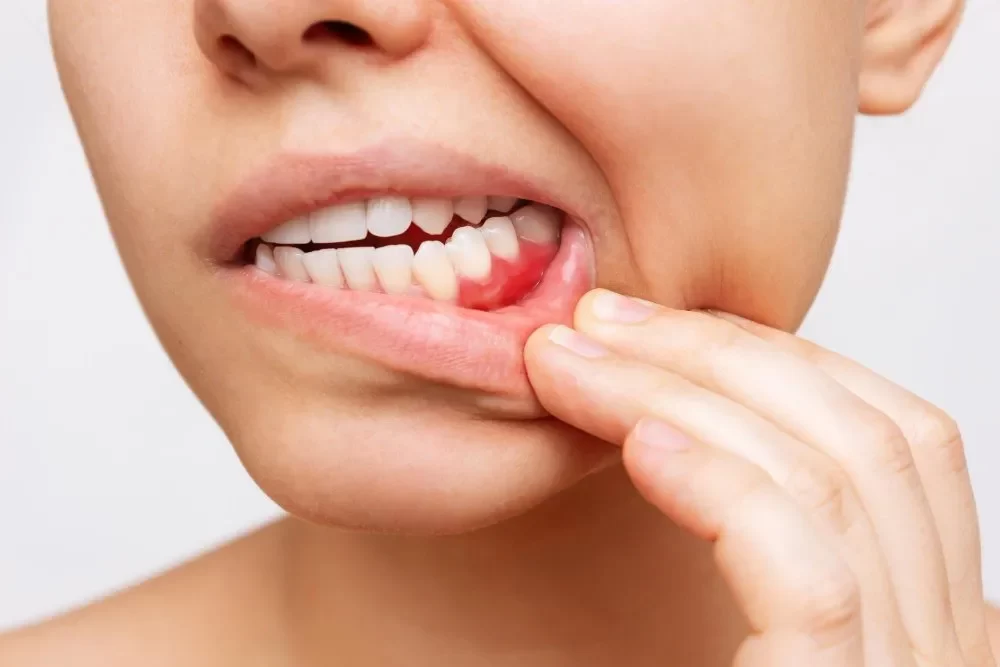
Periodontal Services for Sensitive Gums: Effective Treatment and Care
- What Are Sensitive Gums?
- Causes of Gum Sensitivity
- How Periodontal Services Help Sensitive Gums
- Common Periodontal Treatments for Sensitive Gums
- Benefits of Periodontal Care for Sensitive Gums
- Maintaining Gum Health After Treatment
What Are Sensitive Gums?
Sensitive gums can be a painful and frustrating dental condition. If you’ve ever experienced discomfort when brushing your teeth or eating hot, cold, or sweet foods, you may have sensitive gums. This condition occurs when the gums become inflamed, irritated, or recede, exposing the delicate tissues underneath. It can lead to gum bleeding, tenderness, and discomfort when eating or brushing.
While some gum sensitivity is temporary, chronic sensitivity may indicate underlying periodontal issues that need professional treatment. For people with ongoing gum sensitivity, periodontal services offer targeted solutions to relieve pain and restore gum health.
Causes of Gum Sensitivity
There are various factors that can lead to sensitive gums, and understanding the causes is crucial for effective treatment. Some common causes include:
- Gum Recession: As the gums recede, they expose the root surfaces of teeth, which are more sensitive to temperature changes.
- Poor Oral Hygiene: Inadequate brushing and flossing can lead to plaque buildup, which can irritate the gums and lead to sensitivity.
- Gum Disease: Gingivitis or periodontitis, which are forms of gum disease, can cause inflammation and sensitivity in the gums.
- Brushing Too Hard: Brushing your teeth with excessive force or using a hard-bristled toothbrush can wear down the gums, causing irritation and sensitivity.
- Hormonal Changes: Changes in hormone levels, such as during pregnancy or menopause, can make gums more sensitive.
Identifying the root cause of your gum sensitivity is essential in selecting the right periodontal treatment to alleviate pain and protect your gum health.
How Periodontal Services Help Sensitive Gums
Periodontal services are specialized dental treatments designed to address gum health, and they can be incredibly effective for people suffering from sensitive gums. A periodontist is a dentist who specializes in preventing, diagnosing, and treating gum disease, as well as managing the health of the tissues that support your teeth.
By receiving professional periodontal care, patients with sensitive gums can benefit from targeted treatments designed to reduce inflammation, promote healing, and improve overall gum health. Whether you're dealing with gum recession, gingivitis, or more advanced periodontal disease, periodontal services can help relieve symptoms and restore comfort.
Common Periodontal Treatments for Sensitive Gums
When it comes to sensitive gums, several periodontal treatments can be utilized to reduce pain, promote healing, and restore gum health. Some common treatments include:
- Scaling and Root Planing: This deep cleaning procedure involves removing plaque and tartar from below the gumline to reduce inflammation and prevent further gum irritation.
- Gum Grafting: For individuals with significant gum recession, gum grafting can be performed to restore lost gum tissue and protect the roots of the teeth from sensitivity.
- Laser Treatment: Laser therapy can be used to target and treat inflamed gum tissue, providing relief from pain and promoting healing without the need for invasive surgery.
- Antibiotic Therapy: In cases of gum disease, antibiotics may be prescribed to control infection and help reduce gum inflammation.
- Periodontal Maintenance: Regular follow-up appointments are essential for individuals with sensitive gums to ensure the ongoing health of the gums and prevent further issues from developing.
Benefits of Periodontal Care for Sensitive Gums
Receiving periodontal care for sensitive gums offers several benefits, including:
- Pain Relief: Professional treatments can help alleviate discomfort associated with gum sensitivity, allowing you to enjoy meals and perform oral hygiene routines without pain.
- Improved Gum Health: Periodontal care can restore the health of your gums, reducing inflammation, bleeding, and irritation.
- Prevention of Further Damage: By addressing the underlying causes of gum sensitivity, periodontal services can prevent the condition from worsening and help avoid more severe issues like tooth loss.
- Long-Term Gum Care: Ongoing periodontal maintenance helps maintain the health of your gums and prevents future episodes of sensitivity.
With the right periodontal treatment, your sensitive gums can be restored to optimal health, allowing you to smile with confidence and enjoy pain-free oral hygiene.
Maintaining Gum Health After Treatment
After receiving periodontal care for sensitive gums, it's important to continue maintaining healthy gum habits to prevent future issues. Here are some tips for maintaining gum health:
- Brush your teeth twice daily with a soft-bristled toothbrush and fluoride toothpaste.
- Floss gently to remove plaque buildup between your teeth and along the gumline.
- Use a mouthwash that helps reduce gum inflammation and fight bacteria.
- Visit your dentist regularly for check-ups and cleanings to ensure the ongoing health of your gums.
- Avoid smoking, as it can contribute to gum disease and irritation.
By following these simple steps, you can maintain your gum health and enjoy long-lasting relief from gum sensitivity. If you're experiencing persistent sensitivity or discomfort, consult with a periodontist to explore professional treatment options.
If you're looking for effective periodontal services to address sensitive gums and improve your oral health, visit Dentistry Toothtruth for expert advice and treatment options tailored to your needs.






 Coastline Dental - Dr. Randal Leoni5.0 (63 review)
 Tolley Roger C DDS PC0.0 (0 review)
 Marks Family Dentistry4.0 (225 review)
 Brace Busters3.0 (2 review)
 Pinnacle Dental Group - Plainfield, IL (Implant, Cosmetic, and General Dentistry)4.0 (264 review)
 Van Nuys Dental Care4.0 (23 review)
 The Importance of Oral Health Education During Pregnancy for a Healthy Pregnancy
 Best Tips for Brushing Your Teeth Properly for Healthy Gums: Essential Techniques for Oral Health
 Why Skipping Dental Checkups Can Lead to Bigger Oral Health Problems
 Advantages of Porcelain Dental Restorations
 How Can Diabetes Cause Tooth and Gum Problems? Preventing and Managing Oral Health Issues
 Healthy Habits for Promoting Good Oral Health and Hygiene: Tips for a Healthy Smile