
Oral Hygiene Practices to Avoid Gum Disease: Protect Your Smile
- 1. Understanding Gum Disease
- 2. The Importance of Oral Hygiene in Preventing Gum Disease
- 3. Top Oral Hygiene Practices to Prevent Gum Disease
- 4. Diet and Lifestyle Tips for Maintaining Healthy Gums
- 5. Choosing the Right Oral Care Products
1. Understanding Gum Disease
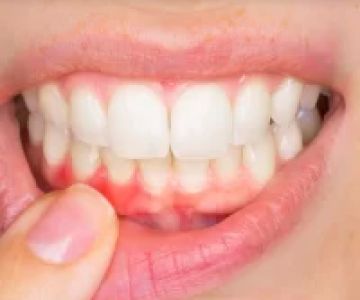
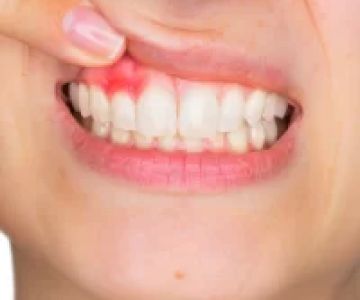
Gum disease, also known as periodontal disease, is a common but serious condition that can lead to tooth loss if not properly managed. It occurs when plaque, a sticky film of bacteria, builds up on the teeth and gums. This bacteria can cause inflammation, bleeding, and if left untreated, can result in the degradation of the gums and surrounding tissues. Understanding gum disease and its progression is crucial to preventing it, and maintaining good oral hygiene plays a key role in stopping it from developing in the first place.
2. The Importance of Oral Hygiene in Preventing Gum Disease
Good oral hygiene is the foundation of preventing gum disease. Regular brushing and flossing help to remove plaque and food particles from the teeth and gums, preventing the buildup of harmful bacteria. Without proper cleaning, plaque can harden into tartar, which cannot be removed by brushing alone and requires a professional cleaning. By adopting effective oral hygiene practices, you can reduce your risk of gum disease and promote overall oral health.
3. Top Oral Hygiene Practices to Prevent Gum Disease
To avoid gum disease, it’s essential to establish a comprehensive oral hygiene routine. Here are some of the most effective practices to keep your gums healthy:
3.1 Brush Your Teeth Twice a Day
Brushing your teeth at least twice a day with a fluoride toothpaste is one of the most important steps in preventing gum disease. Use a soft-bristled toothbrush and gentle, circular motions to clean all surfaces of your teeth and gums. Don’t forget to replace your toothbrush every three to four months to ensure effective cleaning.
3.2 Floss Daily
Flossing is essential for removing plaque and food particles between the teeth and along the gumline, areas that are hard to reach with a toothbrush alone. Flossing once a day can significantly reduce your risk of gum disease and cavities by keeping the spaces between your teeth clean.
3.3 Use Antibacterial Mouthwash
Using an antibacterial mouthwash can help reduce plaque buildup and kill harmful bacteria that contribute to gum disease. Look for mouthwashes that contain ingredients like chlorhexidine or cetylpyridinium chloride, which are effective at controlling plaque and gingivitis.
3.4 Regular Dental Check-ups
Visiting your dentist regularly for cleanings and check-ups is essential for maintaining good gum health. Your dentist can detect early signs of gum disease and provide professional cleaning to remove tartar buildup. Regular check-ups also give your dentist the chance to offer personalized advice on improving your oral hygiene routine.
4. Diet and Lifestyle Tips for Maintaining Healthy Gums
In addition to practicing good oral hygiene, maintaining a healthy diet and lifestyle can support gum health and prevent gum disease:
4.1 Eat a Balanced Diet
A balanced diet rich in vitamins and minerals is crucial for gum health. Foods high in vitamin C, like citrus fruits and leafy greens, can help reduce gum inflammation and promote healing. Calcium-rich foods like dairy products and leafy vegetables help maintain strong teeth and bones, supporting overall oral health.
4.2 Avoid Tobacco Use
Smoking and using tobacco products significantly increase the risk of gum disease. Tobacco reduces blood flow to the gums, impairing the body’s ability to heal and fight off infection. If you’re a smoker, quitting can greatly improve your gum health and overall well-being.
4.3 Manage Stress
Chronic stress can weaken your immune system, making you more vulnerable to gum disease. Practice stress-reducing activities like yoga, meditation, or deep breathing exercises to help maintain a healthy body and gums.
5. Choosing the Right Oral Care Products
Choosing the right products for your oral hygiene routine is vital for preventing gum disease. Here are some factors to consider:
5.1 Toothbrush
Select a toothbrush with soft bristles to prevent damage to your gums and enamel. Electric toothbrushes can be particularly effective at removing plaque and improving gum health. Be sure to brush gently to avoid irritation.
5.2 Toothpaste
Choose a fluoride toothpaste that helps to prevent plaque buildup and fight cavities. If you’re prone to gum disease, look for toothpaste formulated to help reduce gum inflammation or specifically target gingivitis.
5.3 Dental Floss
Use dental floss that is comfortable for your teeth and gums. If traditional floss is difficult to use, consider alternatives like floss picks or water flossers, which can be gentler on sensitive gums.



 Blue Bell Dental Associates PC5.0 (1 review)
 WestgateRx Dentist3.0 (2 review)
 Tacoma Endodontic Studio4.0 (243 review)
 Parkway Dental Associates0.0 (0 review)
 Smile Doctors Orthodontics - Canton4.0 (181 review)
 Western Dental & Orthodontics4.0 (910 review)
 The Importance of Oral Health Education During Pregnancy for a Healthy Pregnancy
 Best Tips for Brushing Your Teeth Properly for Healthy Gums: Essential Techniques for Oral Health
 Why Skipping Dental Checkups Can Lead to Bigger Oral Health Problems
 Advantages of Porcelain Dental Restorations
 How Can Diabetes Cause Tooth and Gum Problems? Preventing and Managing Oral Health Issues
 Healthy Habits for Promoting Good Oral Health and Hygiene: Tips for a Healthy Smile