
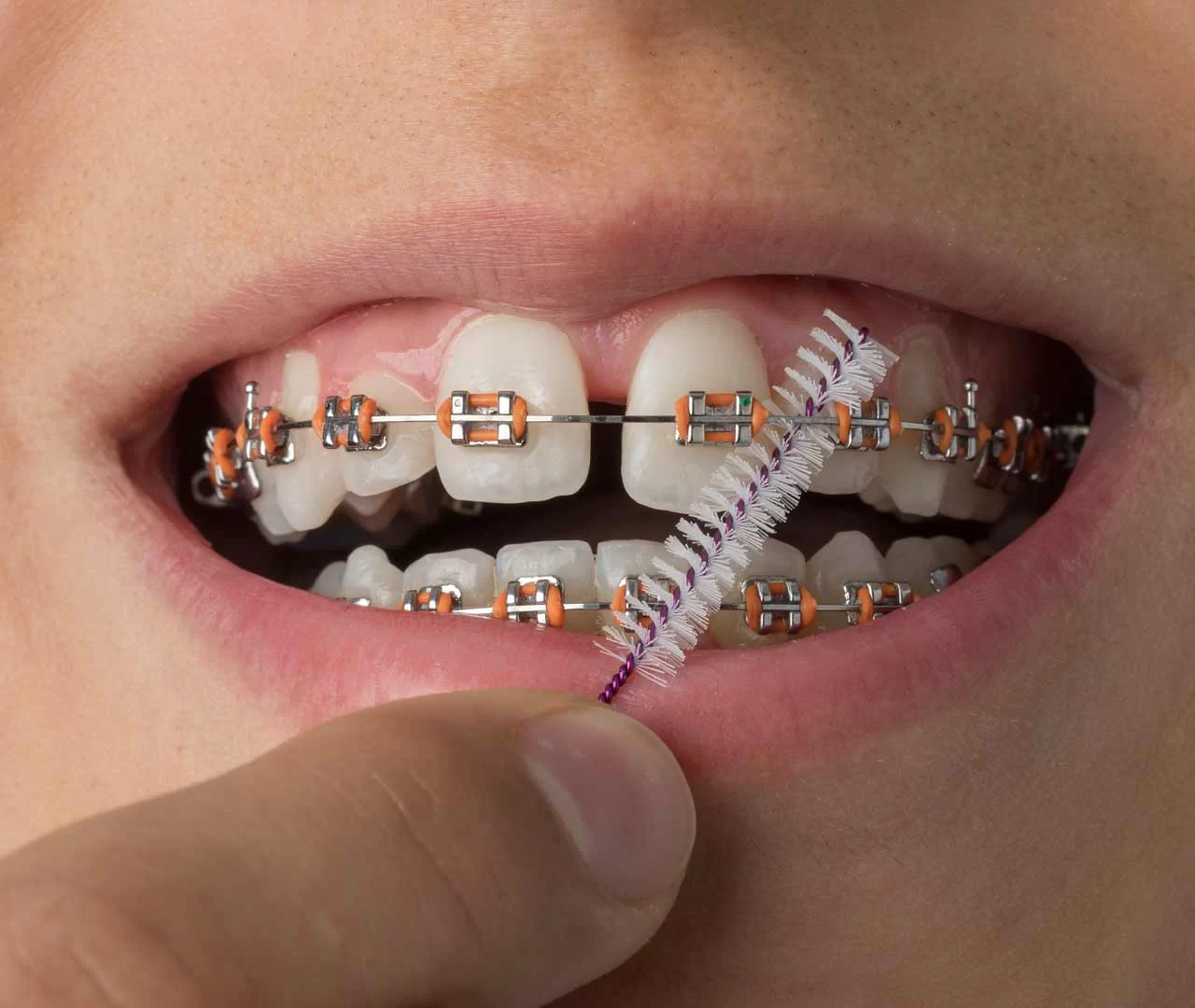
Oral Hygiene for Braces: How to Keep Your Teeth Clean and Healthy
- 1. Why Oral Hygiene for Braces Matters
- 2. Challenges of Keeping Teeth Clean with Braces
- 3. Step-by-Step Guide to Oral Hygiene with Braces
- 4. Common Mistakes to Avoid in Braces Care
- 5. Recommended Products for Oral Hygiene with Braces
1. Why Oral Hygiene for Braces Matters
Braces are a fantastic way to straighten your teeth, but they can also make it harder to maintain good oral hygiene. When you have braces, food particles can get trapped between the brackets and wires, which can lead to plaque buildup, cavities, and gum disease if not cleaned properly. That's why oral hygiene for braces is so important. By keeping your teeth clean and free from plaque, you’ll not only ensure a beautiful smile at the end of your treatment, but you’ll also avoid costly and painful dental problems.
2. Challenges of Keeping Teeth Clean with Braces
Cleaning your teeth with braces is more challenging than usual, but it’s not impossible. The brackets and wires create several areas where food can get stuck, making it harder to reach all surfaces of your teeth. Some of the challenges of maintaining oral hygiene with braces include:
1. Food Traps
Braces create small spaces where food can get trapped. These food particles can lead to plaque buildup, causing tooth decay and gum irritation. Without proper cleaning, it’s easy for bacteria to thrive in these areas.
2. Difficulty Reaching Certain Areas
The wires and brackets in braces can make it difficult to clean all surfaces of your teeth. Regular brushing and flossing techniques might not be as effective as they are without braces, so you’ll need to adapt your routine.
3. Increased Risk of Plaque and Tartar
Since braces make it harder to clean your teeth thoroughly, plaque can accumulate more easily. If plaque is left untreated, it can harden into tartar, which can only be removed by a dentist or hygienist. Tartar buildup can lead to gum disease and cavities.
3. Step-by-Step Guide to Oral Hygiene with Braces
Maintaining oral hygiene with braces requires a little extra effort, but it’s absolutely worth it. Here’s a step-by-step guide to help you keep your teeth clean and healthy throughout your treatment:
1. Brush After Every Meal
Brushing your teeth after every meal is essential to remove food particles and prevent plaque buildup. Use a soft-bristled toothbrush and fluoride toothpaste to gently clean your teeth and braces. Make sure to brush around the brackets and along the gumline to remove any trapped food.
2. Floss Daily
Flossing with braces can be tricky, but it’s crucial to remove plaque and food from between your teeth and around the wires. You can use traditional dental floss with a floss threader or special orthodontic floss designed for braces. Make sure to floss every day to prevent buildup between your teeth.
3. Use an Interdental Brush
An interdental brush is a small brush that can fit between the brackets and wires of your braces. It’s a great tool to clean hard-to-reach areas and remove any debris that brushing and flossing may have missed.
4. Rinse with Mouthwash
Using an antimicrobial mouthwash can help kill bacteria and reduce the risk of plaque buildup. A mouthwash that contains fluoride can also help strengthen your teeth and prevent cavities during your orthodontic treatment.
5. Schedule Regular Checkups with Your Orthodontist
It’s essential to visit your orthodontist regularly throughout your treatment. They can adjust your braces, ensure your teeth are moving correctly, and provide additional cleaning if necessary.
4. Common Mistakes to Avoid in Braces Care
While it’s important to follow a regular oral hygiene routine, there are also some common mistakes that people with braces make. Here are a few to watch out for:
1. Not Cleaning Around the Brackets
One of the most common mistakes is not cleaning thoroughly around the brackets. These areas are prone to food buildup, so make sure to clean around them well during each brushing session.
2. Using a Hard-Bristled Toothbrush
Hard-bristled toothbrushes can damage your gums and wires. Always use a soft-bristled toothbrush to avoid injury while still effectively cleaning your teeth.
3. Forgetting to Floss
Flossing is often overlooked by people with braces, but it’s just as important as brushing. If you don’t floss, you risk plaque buildup and cavities between your teeth, which can interfere with your treatment progress.
4. Eating Sticky or Hard Foods
Sticky foods like caramel and chewing gum can get stuck in your braces, while hard foods can break or damage your brackets and wires. Avoid these types of foods to protect your braces and avoid unnecessary trips to the orthodontist.
5. Recommended Products for Oral Hygiene with Braces
To make brushing and flossing easier and more effective, consider using some specialized tools designed for braces:
1. Orthodontic Toothbrush
An orthodontic toothbrush is specially designed to clean around brackets and wires, helping to remove plaque more efficiently. These brushes have V-shaped bristles that make it easier to clean around the braces.
2. Floss Threader
A floss threader helps you thread dental floss under the wires of your braces, allowing you to clean between your teeth without damaging the braces.
3. Water Flosser
A water flosser is a great tool for people with braces. It uses a stream of pulsating water to remove food particles and plaque from between your teeth and around your braces, providing a deeper clean.
4. Mouthwash
Antimicrobial mouthwash can help reduce plaque buildup and kill bacteria, keeping your mouth fresh and healthy while wearing braces.
If you need more information about orthodontic care or would like to find products to support your oral hygiene routine, visit [Dentistry Toothtruth](https://familydentistryonline.net) for helpful resources and recommendations.






 Michael P. Marfori, D.M.D. Pediatric Dentistry4.0 (391 review)
 Southern Smiles Newnan5.0 (449 review)
 Dr. Sam Saleh4.0 (37 review)
 Center Point Dental4.0 (89 review)
 Osborne Dental South Jordan5.0 (170 review)
 Shore Smiles 4 Kids5.0 (21 review)
 The Importance of Oral Health Education During Pregnancy for a Healthy Pregnancy
 Best Tips for Brushing Your Teeth Properly for Healthy Gums: Essential Techniques for Oral Health
 Why Skipping Dental Checkups Can Lead to Bigger Oral Health Problems
 Advantages of Porcelain Dental Restorations
 How Can Diabetes Cause Tooth and Gum Problems? Preventing and Managing Oral Health Issues
 Healthy Habits for Promoting Good Oral Health and Hygiene: Tips for a Healthy Smile