
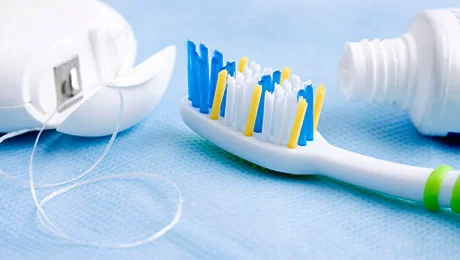
Essential Oral Care Maintenance Tools for Healthy Teeth and Gums
- 1. Why Oral Care Maintenance Tools Are Crucial
- 2. Different Types of Oral Care Tools
- 3. Choosing the Right Oral Care Tools for Your Routine
- 4. The Benefits of Using Oral Care Maintenance Tools
- 5. How to Use Oral Care Tools Effectively
- 6. Recommended Oral Care Maintenance Products
- 7. Oral Care Tools for Special Needs
1. Why Oral Care Maintenance Tools Are Crucial
Maintaining healthy teeth and gums goes beyond regular brushing. Oral care maintenance tools play a vital role in supporting your daily oral hygiene routine. Proper use of dental care tools helps prevent common oral problems like cavities, gum disease, and bad breath. Whether you're using a toothbrush, floss, or mouthwash, each tool serves a unique function that complements your overall dental care regimen.
2. Different Types of Oral Care Tools
There is a wide variety of oral care maintenance tools available today. Each type serves a specific purpose in maintaining oral hygiene:
- Toothbrushes: Manual or electric toothbrushes help clean teeth by removing plaque and food particles.
- Dental Floss: Flossing is essential for cleaning between teeth, where a toothbrush cannot reach.
- Water Flossers: These devices use a stream of water to remove plaque and food debris from between teeth and along the gum line.
- Electric Toothbrushes: Powered toothbrushes offer advanced cleaning and are especially helpful for people with limited dexterity.
- Mouthwash: Antiseptic or fluoride mouthwashes help reduce bacteria, freshen breath, and strengthen teeth.
3. Choosing the Right Oral Care Tools for Your Routine
Choosing the right oral care maintenance tools depends on your specific needs and preferences. For example, an electric toothbrush might be a great choice for those who struggle with brushing effectively, while a water flosser could be an excellent option for individuals with braces or sensitive gums. Consider factors like ease of use, personal health requirements, and professional recommendations when selecting oral hygiene tools.
4. The Benefits of Using Oral Care Maintenance Tools
Using the right oral care tools consistently can provide numerous benefits:
- Improved Oral Hygiene: Proper tools help maintain clean teeth and gums, reducing the risk of plaque buildup, cavities, and gum disease.
- Better Breath: Regular use of mouthwash and floss helps combat bad breath by removing bacteria.
- Enhanced Convenience: Tools like electric toothbrushes make brushing more efficient and convenient.
- Long-Term Oral Health: Consistent use of these tools can help preserve your teeth and gums for a lifetime, reducing the need for costly dental treatments.
5. How to Use Oral Care Tools Effectively
To get the most out of your oral care maintenance tools, it's important to use them correctly. Here are a few tips for effective use:
- Toothbrush: Brush for at least two minutes, making sure to cover all surfaces of your teeth.
- Dental Floss: Gently slide the floss between your teeth and use a back-and-forth motion to clean the sides of your teeth.
- Water Flosser: Use water flossers with a steady, focused stream of water along the gum line to remove debris.
- Electric Toothbrush: Let the brush do the work for you; avoid pressing too hard on your gums, as electric brushes are designed to be gentle.
6. Recommended Oral Care Maintenance Products
When it comes to selecting oral care tools, quality matters. Here are some top recommended tools and products:
- Philips Sonicare ProtectiveClean 6100: A highly recommended electric toothbrush with multiple settings to suit your oral care needs.
- Waterpik Water Flosser: Known for its gentle yet effective cleaning, especially for braces or sensitive gums.
- Oral-B Glide Pro-Health Dental Floss: A popular choice for smooth, easy flossing that resists shredding.
- Listerine Total Care Mouthwash: A trusted mouthwash that kills bacteria and strengthens teeth.
For more information on these products, check out Dentistry Toothtruth for expert recommendations and further oral care resources.
7. Oral Care Tools for Special Needs
Individuals with special dental care needs may require specific tools to maintain optimal oral health. For example, those with limited mobility might benefit from electric toothbrushes that do most of the work for you, while people with braces may find a water flosser more effective than traditional flossing. Your dentist can recommend the best tools based on your individual oral health needs.






 Sunrise Dental Monroe4.0 (15 review)
 Ivory Dental and Orthodontic Specialists4.0 (73 review)
 Heritage Grove Family Dental - Plainfield Dental Clinic4.0 (1397 review)
 Gwynedd Family Dentistry4.0 (98 review)
 Straight Smiles Orthodontics4.0 (25 review)
 Dr. Scott K. Smith, DDS4.0 (83 review)
 The Importance of Oral Health Education During Pregnancy for a Healthy Pregnancy
 Best Tips for Brushing Your Teeth Properly for Healthy Gums: Essential Techniques for Oral Health
 Why Skipping Dental Checkups Can Lead to Bigger Oral Health Problems
 Advantages of Porcelain Dental Restorations
 How Can Diabetes Cause Tooth and Gum Problems? Preventing and Managing Oral Health Issues
 Healthy Habits for Promoting Good Oral Health and Hygiene: Tips for a Healthy Smile