
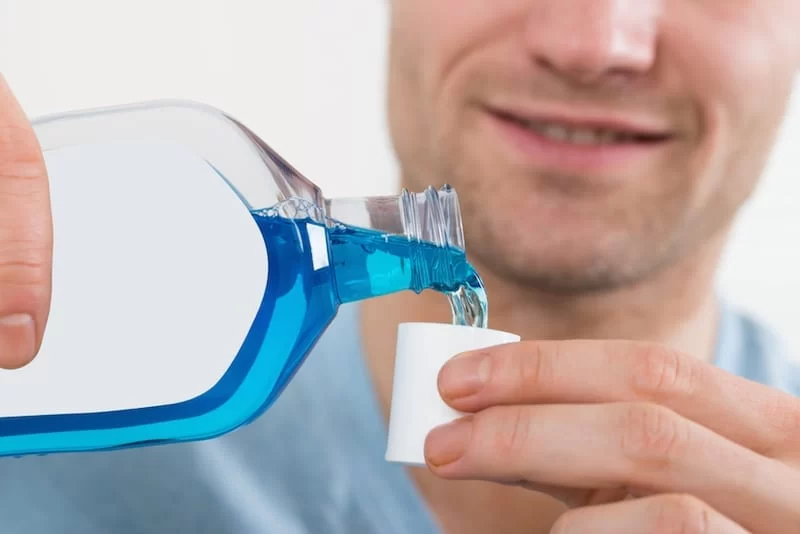
Do Mouthwashes Really Work for Bad Breath? – Unveiling the Truth
- Understanding Bad Breath and Its Causes
- Mouthwash as a Solution for Bad Breath
- Types of Mouthwash and Their Effectiveness
- Alternative Solutions to Mouthwash for Bad Breath
- Tips for Long-Lasting Fresh Breath
1. Understanding Bad Breath and Its Causes
Bad breath, or halitosis, is a common problem that can affect anyone at any age. While it’s often dismissed as a simple social inconvenience, persistent bad breath can sometimes indicate underlying oral health issues. The causes of bad breath are varied, ranging from poor oral hygiene to more serious conditions like gum disease, dry mouth, or gastrointestinal problems.
The primary culprits behind bad breath are bacteria in the mouth that break down food particles, releasing foul-smelling compounds in the process. These bacteria can thrive in areas like the tongue, gums, and between the teeth, creating an environment where bad breath flourishes.
2. Mouthwash as a Solution for Bad Breath
Many people turn to mouthwash as a quick fix for bad breath. But does mouthwash really work for bad breath, or is it just a temporary mask for deeper issues? The effectiveness of mouthwash depends on the type of mouthwash and the cause of the bad breath.
Mouthwash can temporarily mask bad breath by freshening the breath and killing some of the bacteria responsible for the odor. However, most over-the-counter mouthwashes do not address the root cause of bad breath, especially if it’s linked to an underlying dental problem or a medical condition.
Some mouthwashes contain active ingredients like chlorhexidine, cetylpyridinium chloride, or essential oils, which can reduce the number of odor-causing bacteria in the mouth. When used regularly, these mouthwashes may help reduce bad breath. However, they should not be relied upon as a sole solution for chronic bad breath.
3. Types of Mouthwash and Their Effectiveness
There are several types of mouthwash on the market, each with different purposes and active ingredients. Understanding the differences between them can help you choose the best mouthwash for your needs. Below are the most common types:
- Cosmetic Mouthwash: This type of mouthwash is designed to temporarily mask bad breath with flavorings or fragrances. While it can make your mouth feel fresh, it doesn’t kill bacteria or treat the underlying causes of bad breath.
- Therapeutic Mouthwash: Therapeutic mouthwashes contain active ingredients that are specifically designed to address oral health issues, such as reducing plaque, gingivitis, and bad breath. These mouthwashes typically include antimicrobial agents that kill bacteria, providing longer-lasting results than cosmetic mouthwashes.
- Prescription Mouthwash: In more severe cases, a dentist may prescribe a mouthwash that contains stronger ingredients, such as chlorhexidine. These are particularly useful for people with persistent bad breath caused by gum disease or other oral conditions.
For people dealing with chronic bad breath, a therapeutic or prescription mouthwash is typically more effective than a cosmetic mouthwash. However, using mouthwash as part of a broader oral hygiene routine, including regular brushing and flossing, is key to achieving long-term results.
4. Alternative Solutions to Mouthwash for Bad Breath
While mouthwash can be a helpful tool for freshening breath, it’s not the only solution. There are other steps you can take to combat bad breath more effectively:
- Brush Your Teeth Regularly: Brushing your teeth twice a day with fluoride toothpaste removes food particles and plaque, which are major contributors to bad breath.
- Floss Daily: Flossing helps remove food particles and plaque from between the teeth, areas that a toothbrush can’t reach.
- Clean Your Tongue: The tongue can harbor bacteria and food particles that contribute to bad breath. Use a tongue scraper or the back of your toothbrush to clean your tongue.
- Stay Hydrated: Drinking plenty of water helps keep your mouth moist, which is important for preventing dry mouth, a common cause of bad breath.
- Eat Fresh Herbs: Chewing fresh herbs like parsley or mint can help neutralize odors and freshen your breath naturally.
Addressing the root cause of bad breath, whether through proper oral care or treating underlying health conditions, is essential for long-term breath freshness.
5. Tips for Long-Lasting Fresh Breath
If you're looking for lasting relief from bad breath, here are some tips to keep your mouth smelling fresh throughout the day:
- Choose the Right Mouthwash: Opt for a therapeutic mouthwash that targets bacteria and plaque, not just one that masks odors.
- Maintain Good Oral Hygiene: Brush, floss, and clean your tongue regularly to prevent plaque buildup and bacteria from causing bad breath.
- Avoid Odor-Causing Foods: Foods like garlic, onions, and coffee can contribute to bad breath. Try to avoid these if you’re concerned about breath freshness.
- Visit Your Dentist Regularly: Regular dental checkups can help identify and treat any oral health problems that could be causing bad breath, such as gum disease or tooth decay.
By taking care of your oral health, choosing the right mouthwash, and making a few lifestyle changes, you can enjoy fresher breath that lasts all day long.



 Harmony Orthodontics5.0 (46 review)
 Personal Dental Office & Orthodontics4.0 (228 review)
 Florence Family Dental Center: Michel, Carlos R DDS4.0 (13 review)
 East Valley Periodontics4.0 (993 review)
 The Aligner Studio4.0 (70 review)
 Krouth Dental4.0 (25 review)
 The Importance of Oral Health Education During Pregnancy for a Healthy Pregnancy
 Best Tips for Brushing Your Teeth Properly for Healthy Gums: Essential Techniques for Oral Health
 Why Skipping Dental Checkups Can Lead to Bigger Oral Health Problems
 Advantages of Porcelain Dental Restorations
 How Can Diabetes Cause Tooth and Gum Problems? Preventing and Managing Oral Health Issues
 Healthy Habits for Promoting Good Oral Health and Hygiene: Tips for a Healthy Smile