
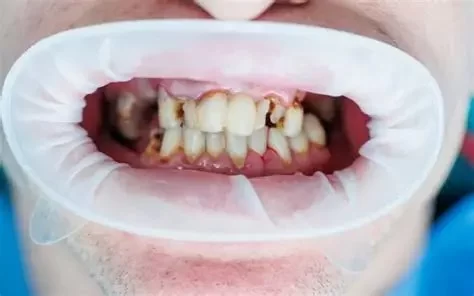
Is Poor Oral Hygiene Reversible?
Oral hygiene is crucial to maintaining good dental health, and unfortunately, many people neglect this important aspect of their well-being. But what happens when poor oral hygiene leads to problems like cavities, gum disease, and bad breath? Can these issues be reversed, or is the damage permanent? In this article, we will explore the effects of poor oral hygiene, whether it's reversible, and the steps you can take to restore your oral health.
1. The Consequences of Poor Oral Hygiene
Poor oral hygiene is one of the leading causes of dental issues that affect millions of people in the United States. The most common problems caused by neglecting oral hygiene include cavities, gum disease, and bad breath. Here's a closer look at the impact poor oral hygiene can have on your teeth and gums:
1.1 Cavities and Tooth Decay
Cavities, also known as dental caries, are areas of your teeth that have been permanently damaged by acids produced by bacteria in your mouth. These bacteria thrive on food particles, especially sugar, and can erode the enamel on your teeth, leading to decay. While cavities are treatable through fillings or crowns, they cannot be reversed naturally once the enamel is gone. However, early-stage tooth decay can sometimes be halted or slowed down with proper oral care.
1.2 Gum Disease
Gum disease (periodontal disease) is another major concern linked to poor oral hygiene. It begins with gingivitis, an inflammation of the gums caused by plaque buildup at the gumline. If left untreated, gingivitis can progress to more severe stages, such as periodontitis, which can lead to tooth loss and bone damage. The good news is that gum disease can often be reversed in its early stages through professional cleanings and diligent at-home care.
1.3 Bad Breath
Persistent bad breath, also known as halitosis, is a common consequence of poor oral hygiene. When food particles and bacteria accumulate in the mouth, they can cause foul odors. Poorly maintained dental care can lead to the growth of bacteria on the tongue, gums, and teeth, contributing to chronic bad breath. Regular brushing, flossing, and tongue scraping can significantly reduce bad breath.
2. Can Poor Oral Hygiene Be Reversed?
Many people wonder if the damage caused by poor oral hygiene can be reversed, and the answer depends on the severity of the problem. While some dental issues can be managed or even reversed with proper care, others may require professional intervention or irreversible treatment. Here's a breakdown of what can and cannot be reversed:
2.1 Reversing Early-Stage Cavities
In the very early stages of tooth decay, it is possible to remineralize the enamel and halt further damage. Remineralization occurs when minerals, such as fluoride, calcium, and phosphate, are deposited back into the enamel. Using fluoride toothpaste and other remineralizing agents can help restore lost minerals, but once a cavity has formed, it cannot be reversed. A dentist will need to fill the cavity to prevent further damage.
2.2 Treating Gum Disease
Gum disease is one of the most treatable and reversible conditions related to poor oral hygiene, but it depends on the stage of the disease. Gingivitis, the earliest stage of gum disease, is completely reversible with proper brushing, flossing, and professional cleaning. As the disease progresses to periodontitis, the damage becomes more extensive, and while the condition can be managed and symptoms alleviated, it may not be entirely reversible. Severe periodontitis can result in permanent tooth loss, but with proper care, the progression of the disease can be slowed or stopped.
2.3 Reversing Bad Breath
Bad breath caused by poor oral hygiene is usually reversible. By practicing regular oral care—brushing at least twice a day, flossing daily, and using mouthwash to kill bacteria—you can eliminate the causes of bad breath. Additionally, cleaning your tongue with a tongue scraper can further help reduce odors. If bad breath persists despite good oral hygiene, it may be a sign of an underlying medical condition, such as gum disease or dry mouth, that needs professional attention.
3. How to Reverse Poor Oral Hygiene
While some damage from poor oral hygiene is irreversible, most issues can be improved with diligent care and the right treatments. Here are some key steps you can take to reverse the effects of poor oral hygiene and restore your dental health:
3.1 Regular Brushing and Flossing
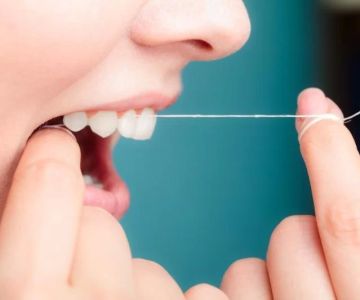
The foundation of any oral hygiene routine is brushing and flossing. Brush your teeth at least twice a day with fluoride toothpaste, and don't forget to floss between your teeth to remove plaque buildup. Flossing is essential for preventing gum disease and cavities in the areas where your toothbrush can't reach. Consider using an electric toothbrush for a more thorough clean.
3.2 Professional Dental Cleanings
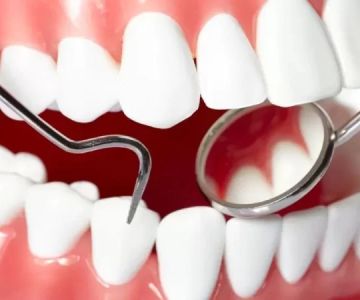
Even if you brush and floss regularly, it's important to visit your dentist for professional cleanings every six months. A dental hygienist can remove plaque and tartar buildup that regular brushing can’t tackle. Cleanings also help prevent gum disease and cavities by ensuring that your teeth are completely clean and healthy.
3.3 Using Mouthwash and Other Oral Care Products
Incorporating mouthwash into your daily routine can help kill bacteria, reduce plaque, and freshen your breath. Choose an alcohol-free mouthwash with fluoride to avoid drying out your mouth. You can also use products such as fluoride varnishes or remineralizing agents to help restore lost minerals to your enamel.
3.4 Staying Hydrated
Drinking plenty of water throughout the day helps keep your mouth hydrated and wash away food particles. Water also promotes saliva production, which plays a crucial role in neutralizing acids and helping to prevent cavities and gum disease.
3.5 Diet and Nutrition
A balanced diet rich in vitamins and minerals is essential for maintaining strong teeth and gums. Calcium, vitamin D, and phosphorus are particularly important for bone and tooth health. Avoid sugary foods and drinks that can contribute to plaque buildup and tooth decay. If you have existing dental issues, your dentist may recommend a special diet to support your oral health.
4. When to Seek Professional Help
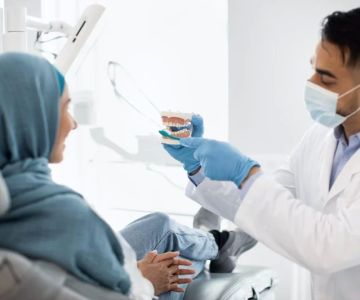
If you're experiencing persistent symptoms like bleeding gums, tooth pain, or bad breath, it’s important to consult your dentist as soon as possible. Early intervention can prevent further damage and help reverse the effects of poor oral hygiene. Regular dental checkups are the best way to catch problems early and keep your smile healthy.
In addition to regular visits to the dentist, you can also seek help from specialized services, such as those offered by Family Dentistry Online, to find the best dental care options for your needs. Proper guidance and treatment are crucial to maintaining optimal oral health and reversing the effects of poor hygiene.

 Vicente Dental5.0 (79 review)
 Tend East Nashville4.0 (319 review)
 Matthew J. Walters DDS0.0 (0 review)
 Ernstberger Orthodontics5.0 (326 review)
 Osborne Dental South Jordan5.0 (170 review)
 Bates Dental Care5.0 (14 review)
 The Importance of Oral Health Education During Pregnancy for a Healthy Pregnancy
 Best Tips for Brushing Your Teeth Properly for Healthy Gums: Essential Techniques for Oral Health
 Why Skipping Dental Checkups Can Lead to Bigger Oral Health Problems
 Advantages of Porcelain Dental Restorations
 How Can Diabetes Cause Tooth and Gum Problems? Preventing and Managing Oral Health Issues
 Healthy Habits for Promoting Good Oral Health and Hygiene: Tips for a Healthy Smile