
Is Oral Thrush Considered an Autoimmune Disease?
Oral thrush, also known as oral candidiasis, is a fungal infection caused by the overgrowth of Candida yeast in the mouth. While many people wonder if oral thrush itself is an autoimmune disease, the answer is no—it is not classified as an autoimmune condition. However, it often appears in individuals with weakened immune systems, including those with autoimmune disorders. This close relationship sometimes leads to confusion. Understanding this distinction is important for managing the infection and identifying any underlying health conditions that may contribute to its recurrence.
1. How Oral Thrush Develops in the Body
The Role of Candida Yeast
Candida naturally exists in the human body, but it is usually kept in balance by the immune system and healthy bacteria. When the immune system is compromised, Candida can multiply excessively, resulting in the white, patchy lesions commonly associated with oral thrush. Triggers can include prolonged use of antibiotics, corticosteroid inhalers, or even poorly fitting dentures.
Why the Immune System Matters
Autoimmune conditions such as lupus, rheumatoid arthritis, or multiple sclerosis can alter the body’s immune response. In these cases, the immune system may either overreact to the body’s own tissues or become too weak to regulate fungal growth. For patients with such conditions, oral thrush often becomes a recurring issue rather than a one-time infection. In the U.S., dentists frequently see oral thrush in patients undergoing immunosuppressive therapy, such as those receiving steroids or chemotherapy.
2. Connection Between Oral Thrush and Autoimmune Disorders
Shared Risk Factors
Although oral thrush is not an autoimmune disease, it shares risk factors with many autoimmune conditions. People with compromised immune defenses are more vulnerable. For example, patients with HIV/AIDS or diabetes, both of which involve immune system complications, often experience oral thrush more frequently. Similarly, individuals with Sjögren’s syndrome, an autoimmune disease that reduces saliva production, may face higher risks since dry mouth creates a favorable environment for fungal growth.
A Real-Life Case Study
A woman in her early forties diagnosed with lupus shared her struggle with recurrent oral thrush. Despite practicing good oral hygiene, she noticed frequent flare-ups after taking medications that suppressed her immune system. Her dentist worked closely with her rheumatologist to adjust treatment, and with added antifungal therapy, she saw significant improvement. Stories like hers show how oral thrush can act as a signal that the body is struggling to maintain immune balance.
3. Symptoms to Watch For
Common Signs of Oral Thrush
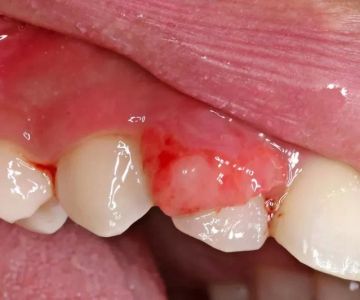
Oral thrush often presents with distinct symptoms: creamy white patches on the tongue, inner cheeks, or roof of the mouth; soreness or burning sensations; difficulty swallowing; and changes in taste. In severe cases, cracks may appear at the corners of the lips. These symptoms can be uncomfortable and may interfere with eating and speaking. Because the condition is linked with immune health, frequent recurrences should be evaluated carefully to rule out underlying autoimmune or systemic issues.
When Symptoms Indicate Something More
If oral thrush persists or returns repeatedly, it may point to deeper concerns such as autoimmune disease, uncontrolled diabetes, or immune suppression from medication. Patients should not ignore chronic symptoms. Professional evaluation ensures proper diagnosis and treatment, while also uncovering possible related conditions. For families, recognizing these warning signs early can prevent more serious complications and protect long-term health.
4. Effective Management and Prevention
Treatment Options
Treatment usually involves antifungal medications, available in lozenge, mouth rinse, or pill form. The exact approach depends on the severity of the infection and the patient’s overall health. In cases where autoimmune disease plays a role, treatment may also involve managing the underlying immune condition alongside antifungal therapy. Good oral hygiene practices—such as regular brushing, flossing, and cleaning dentures—also play a critical role in preventing recurrence.
Lifestyle Adjustments for Prevention
Reducing sugar intake, quitting smoking, and limiting alcohol consumption all help lower the risk of oral thrush. Additionally, those using corticosteroid inhalers should rinse their mouths after each use to minimize fungal growth. Staying hydrated and maintaining a balanced diet rich in probiotics can also help restore the natural balance of bacteria and yeast in the mouth.
5. Professional Dental Support
Why Regular Checkups Are Essential
For anyone dealing with autoimmune conditions, routine dental visits are particularly important. Dentists can identify oral thrush in its early stages and recommend treatments that fit each patient’s specific health profile. Consistent monitoring ensures the infection does not progress or signal deeper immune issues. In the U.S., proactive dental care is often the key to managing both oral and systemic health effectively.
Partnering with Trusted Dental Experts
At Family Dentistry Online, patients can access tailored care that goes beyond routine cleaning. Whether you’re dealing with oral thrush for the first time or facing ongoing challenges due to autoimmune disease, professional guidance makes all the difference. Comprehensive treatment plans not only address the infection but also support your long-term well-being by coordinating care with medical providers when needed.

 Palo Verde Smiles formerly known as Critchfield Dental4.0 (170 review)
 Leonard L Patella, DDS0.0 (0 review)
 Valley Dental4.0 (159 review)
 Riccobene Associates Family Dentistry4.0 (523 review)
 Schott Peter J DDS4.0 (27 review)
 Absolute Dental - Aliante4.0 (910 review)
 The Importance of Oral Health Education During Pregnancy for a Healthy Pregnancy
 Best Tips for Brushing Your Teeth Properly for Healthy Gums: Essential Techniques for Oral Health
 Why Skipping Dental Checkups Can Lead to Bigger Oral Health Problems
 Advantages of Porcelain Dental Restorations
 How Can Diabetes Cause Tooth and Gum Problems? Preventing and Managing Oral Health Issues
 Healthy Habits for Promoting Good Oral Health and Hygiene: Tips for a Healthy Smile