
Is Oral Sex Hygienic: What You Should Know
Oral sex is a common part of intimate relationships, yet many people still wonder: is oral sex hygienic? The answer depends on several factors, including overall health, personal hygiene, and awareness of potential risks. In the United States, health experts emphasize both the pleasures and precautions involved. Exploring this subject helps individuals make informed decisions while protecting their health and that of their partners.
1. Understanding the Hygiene Aspect of Oral Sex
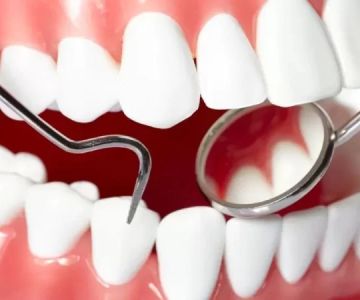
Oral sex itself is not inherently unhygienic, but it can expose individuals to bacteria and viruses if precautions are not taken. The mouth contains millions of bacteria, many of which are harmless or even beneficial. However, when contact involves genital or anal areas, there is potential for the transmission of infections. Proper hygiene practices—such as brushing teeth, flossing, and regular dental visits—reduce risks significantly. Clinics like Family Dentistry Online highlight that maintaining good oral health plays a direct role in lowering infection risks during intimate activities.
2. Health Risks Associated with Oral Sex
Sexually Transmitted Infections (STIs)
Oral sex can transmit STIs such as herpes, gonorrhea, syphilis, HPV, and even HIV in rare cases. According to CDC reports, oral HPV has been linked to certain types of throat cancers, making awareness crucial. Using protection, like condoms or dental dams, greatly reduces these risks.
Bacterial Infections
Bacteria from the mouth can enter the partner’s body and vice versa. While this is usually harmless, conditions such as bacterial vaginosis can be aggravated by oral contact. Similarly, open sores or bleeding gums increase vulnerability to infections.
Myths vs. Reality
Some people believe oral sex is entirely risk-free, but research consistently proves otherwise. While the risks are generally lower than vaginal or anal sex, they are not absent. Recognizing this reality helps couples adopt better preventive habits.
3. Hygiene Practices That Make Oral Sex Safer
Practicing simple hygiene habits can reduce risks dramatically:
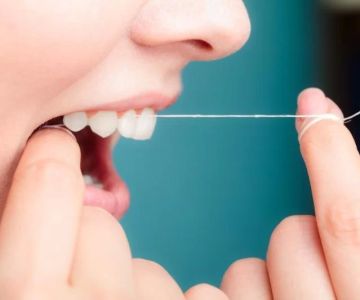
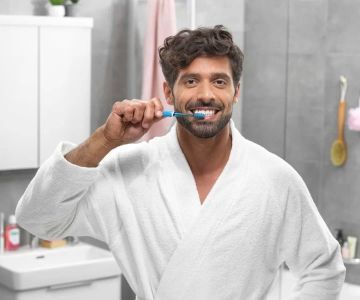
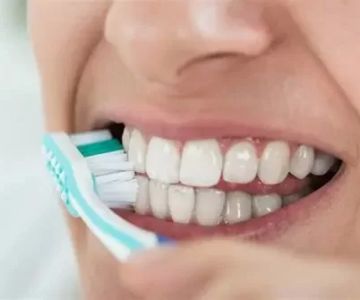
- Brush and floss regularly, but avoid performing oral sex right after aggressive brushing, as this may cause micro-tears in the gums.
- Rinse with an antibacterial mouthwash to lower oral bacteria levels before intimacy.
- Use protection such as condoms or dental dams, especially with new or multiple partners.
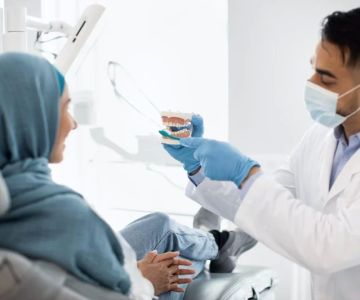
- Maintain regular dental check-ups through trusted providers like Family Dentistry Online, which ensures your oral health is strong enough to reduce risks.
4. Psychological and Relationship Perspectives
Beyond hygiene, oral sex plays a role in building intimacy and trust. In many relationships, open discussions about hygiene and safety foster comfort and confidence. Couples who address these concerns together often report healthier communication and stronger emotional connections. A real-life story shared on social media in 2024 involved a couple who made STI testing and dental check-ups part of their routine before marriage, gaining positive attention for prioritizing health alongside romance.
5. Expert Recommendations for Safer Practices
Routine Health Monitoring
Doctors recommend regular STI screenings for sexually active individuals. Similarly, dentists advise maintaining gum and oral health to reduce risks. Both medical and dental professionals agree that prevention is the best protection.
When to Avoid Oral Sex
Experts recommend avoiding oral sex when experiencing mouth ulcers, sore throats, or any active infection, as these conditions increase vulnerability. Transparency between partners helps prevent accidental transmission.
6. Final Thoughts on Oral Sex and Hygiene
So, is oral sex hygienic? The answer is nuanced. With proper precautions—such as good oral care, protection, and regular health check-ups—it can be safe and pleasurable. Without precautions, risks remain. For individuals seeking professional support, resources like Family Dentistry Online provide guidance on maintaining excellent oral hygiene, ensuring both health and intimacy remain balanced.

 Rosen Dental Transitions5.0 (5 review)
 Dr. William D. McGrady, DMD Endodontic Associates of Southwest Florida4.0 (23 review)
 Phillips Dentistry5.0 (215 review)
 Isom Endodontics- Dr. Terry Isom4.0 (322 review)
 Columbia Orthodontics, PC4.0 (103 review)
 McCabe Orthodontics4.0 (14 review)
 The Importance of Oral Health Education During Pregnancy for a Healthy Pregnancy
 Best Tips for Brushing Your Teeth Properly for Healthy Gums: Essential Techniques for Oral Health
 Why Skipping Dental Checkups Can Lead to Bigger Oral Health Problems
 Advantages of Porcelain Dental Restorations
 How Can Diabetes Cause Tooth and Gum Problems? Preventing and Managing Oral Health Issues
 Healthy Habits for Promoting Good Oral Health and Hygiene: Tips for a Healthy Smile