
The Overlooked Connection Between Your Mouth and Your Heart
For years, oral hygiene was seen as purely a dental matter—something important for preventing cavities and keeping your smile bright. However, growing scientific evidence now suggests that oral health plays a much bigger role in overall wellness, including your heart health. Researchers have identified a potential link between gum disease and cardiovascular conditions, raising awareness about the importance of daily dental care for more than just your teeth.
How bacteria in the mouth may affect the heart
When gum disease develops, bacteria can enter the bloodstream through inflamed gum tissue. Once in circulation, these bacteria may contribute to arterial plaque buildup, a key factor in heart attacks and strokes. Inflammation caused by gum disease can also trigger systemic responses, increasing the risk of cardiovascular complications over time.
Understanding Gum Disease and Its Systemic Impact
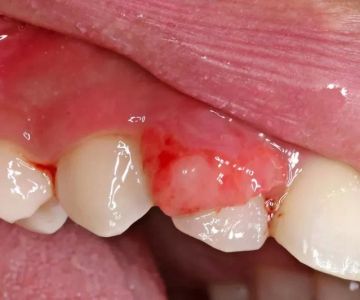
Gum disease, also known as periodontal disease, starts with gingivitis—red, swollen gums that may bleed easily. Left untreated, it can progress to periodontitis, a more severe form that damages the bone supporting your teeth. This chronic inflammation does not stay confined to the mouth; it can contribute to widespread health issues, including those affecting your heart.
The role of inflammation in heart disease
Inflammation is a key driver of cardiovascular disease. The inflammatory response from gum disease can exacerbate conditions like atherosclerosis, where plaque narrows the arteries and impedes blood flow. This makes maintaining oral hygiene a preventive measure not only for dental health but also for long-term heart wellness.
Who is most at risk
Individuals with poor oral hygiene, smokers, diabetics, and those with a family history of gum disease are more likely to develop periodontal issues. These same factors can also raise heart disease risk, creating a dangerous overlap.
Real-Life Case: James’s Wake-Up Call
James, a 52-year-old office manager from Boston, rarely went to the dentist and often ignored bleeding gums. After suffering a mild heart attack, his cardiologist recommended a full health evaluation—including a dental check. The dentist diagnosed advanced gum disease, and his treatment plan included deep cleaning, antibiotics, and a strict at-home care routine. Within a year, his gum health improved dramatically, and his heart health indicators also stabilized.
Lessons from James’s story
Ignoring oral health can have consequences beyond tooth loss. In James’s case, addressing gum disease became part of his heart disease prevention strategy, reinforcing how interconnected our body systems truly are.
Practical Steps to Protect Both Your Mouth and Heart
Maintaining good oral hygiene is a proactive way to safeguard cardiovascular health. While brushing and flossing are essential, prevention goes beyond daily routines.
1. Commit to daily oral care
Brush at least twice a day with fluoride toothpaste and floss daily to remove plaque from between teeth and along the gumline. This simple habit can significantly reduce the bacteria that contribute to both gum and heart disease.
2. Schedule regular dental checkups
Visit your dentist every six months—or more frequently if you are at higher risk—to catch early signs of gum disease. Professional cleanings can remove tartar buildup that brushing alone cannot address.
3. Address underlying health conditions
Conditions like diabetes and high blood pressure can increase the risk of both gum and heart disease. Managing these through medical care, healthy eating, and physical activity can have a dual benefit.
What Science Says About the Link
Several studies have shown a correlation between gum disease and increased heart disease risk, though the relationship is still being explored. The American Heart Association acknowledges that while gum disease may not directly cause heart disease, the inflammation and bacterial spread associated with it are concerning and worth addressing as part of a preventive health strategy.
Why correlation still matters
Even without definitive proof of causation, the association is strong enough that medical and dental professionals recommend maintaining oral hygiene as part of overall cardiovascular health management.
Partnering With Experts for Comprehensive Care
If you want to take a proactive approach, consider working with both your dentist and physician to develop a preventive plan. Oral care should be viewed as an integral part of your health strategy, not an afterthought. Family Dentistry Online can connect you with dental professionals who understand the importance of oral health in supporting a healthy heart.




 The Implant Center at Comprehensive Dental4.0 (421 review)
 Modern Dentistry Of Peoria4.0 (563 review)
 Advanced Family Dental & Orthodontics4.0 (216 review)
 Todays Dental Of Joliet (formerly Hammes Family Dental)4.0 (130 review)
 Kevin B. Sands, DDS5.0 (168 review)
 Kids Dental Land4.0 (602 review)
 The Importance of Oral Health Education During Pregnancy for a Healthy Pregnancy
 Best Tips for Brushing Your Teeth Properly for Healthy Gums: Essential Techniques for Oral Health
 Why Skipping Dental Checkups Can Lead to Bigger Oral Health Problems
 Advantages of Porcelain Dental Restorations
 How Can Diabetes Cause Tooth and Gum Problems? Preventing and Managing Oral Health Issues
 Healthy Habits for Promoting Good Oral Health and Hygiene: Tips for a Healthy Smile