
Understanding the Role of Mouthwash in Oral Hygiene
When it comes to oral hygiene, brushing and flossing are widely accepted as the cornerstone practices for maintaining healthy teeth and gums. But what about mouthwash? Is mouthwash necessary for an effective oral hygiene routine? This question sparks a lot of debate among dental professionals and consumers alike. The answer, as it turns out, depends on several factors including your oral health needs, the type of mouthwash used, and your daily habits.
Mouthwash, or oral rinse, is designed to reduce oral bacteria, freshen breath, and sometimes deliver additional benefits such as fluoride for cavity prevention or antibacterial agents to combat gum disease. However, it is not a standalone solution but rather an adjunct to brushing and flossing.
1. How Mouthwash Works to Improve Oral Health
1.1 Reducing Harmful Bacteria
Mouthwash contains active ingredients such as chlorhexidine, cetylpyridinium chloride, or essential oils that target and reduce harmful bacteria in the mouth. This bacterial reduction is crucial for preventing plaque buildup, which can lead to cavities and gum disease.
For example, in a study conducted by the American Dental Association (ADA), using an antimicrobial mouthwash alongside regular brushing and flossing significantly lowered gingivitis rates compared to brushing alone. This shows that mouthwash can play a beneficial role in improving oral hygiene when used correctly.
1.2 Freshening Breath and Improving Confidence
One of the most immediate and noticeable benefits of mouthwash is breath freshening. Many Americans rely on mouthwash to combat bad breath caused by food, smoking, or dry mouth. This psychological boost often encourages people to maintain better overall oral care.
2. When Mouthwash Becomes Essential
2.1 Individuals with Specific Dental Conditions
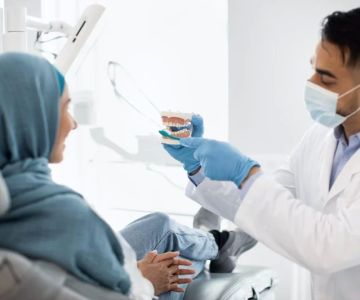
People suffering from gum disease (periodontitis or gingivitis), frequent cavities, or dry mouth may find mouthwash necessary as part of their treatment plan. Chlorhexidine-based rinses, prescribed by dentists, help reduce severe bacterial infections and promote gum healing.
Additionally, fluoride rinses are recommended for patients at higher risk of tooth decay, especially children and older adults, offering an extra layer of protection that brushing alone might not provide.
2.2 Post-Dental Procedures
After oral surgeries, cleanings, or treatments such as fillings and extractions, dentists often recommend specific mouthwashes to aid healing and prevent infection. This targeted use highlights mouthwash’s important role in clinical dental care.
3. Types of Mouthwash and Their Appropriate Uses
3.1 Cosmetic Mouthwash
These products primarily freshen breath and provide a clean feeling without offering long-term health benefits. They are useful for daily freshness but should not replace brushing or flossing.
3.2 Therapeutic Mouthwash
Containing active ingredients, therapeutic mouthwashes help control or reduce conditions like gingivitis, plaque, and tooth decay. Some contain fluoride or antimicrobials approved by the ADA, making them valuable tools in oral hygiene routines.
3.3 Natural and Alcohol-Free Options
For those sensitive to alcohol or synthetic ingredients, many natural mouthwashes with herbal extracts and essential oils offer milder alternatives. They provide antimicrobial benefits with less irritation, appealing to consumers looking for gentle products.
4. Common Misconceptions About Mouthwash
4.1 Mouthwash Can Replace Brushing and Flossing
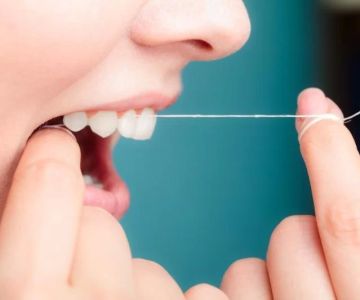
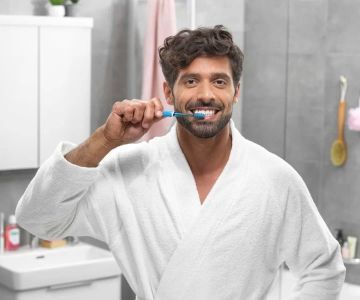
A prevalent myth is that mouthwash alone can maintain oral health. However, mouthwash is not a substitute for mechanical cleaning. Brushing physically removes plaque and food particles, while flossing cleans tight spaces. Mouthwash’s role is to supplement these actions.
4.2 All Mouthwashes Are the Same
Not all mouthwashes offer the same benefits. Some are purely cosmetic, while others have proven therapeutic effects. Choosing the right product depends on individual oral health needs and dentist recommendations.
5. The Science Behind Mouthwash Effectiveness
Scientific studies have demonstrated that regular use of therapeutic mouthwash can reduce plaque by up to 50% and gingivitis symptoms by up to 30%. The effectiveness depends on consistent use, the active ingredients, and the user’s overall oral hygiene habits.
For example, a 2015 clinical trial published in the Journal of Clinical Dentistry found that mouthwash containing essential oils significantly reduced plaque formation when used twice daily. These findings support mouthwash as a valuable adjunct for comprehensive oral care.
6. Practical Advice for Incorporating Mouthwash into Your Routine
To maximize the benefits of mouthwash, follow these tips:
- Use mouthwash after brushing and flossing to reach areas you may have missed.
- Follow the product’s instructions on quantity and rinsing time; typically, 30 seconds to 1 minute is recommended.
- Avoid eating or drinking for at least 30 minutes after rinsing to allow active ingredients to work.
- Consult your dentist before starting mouthwash, especially if you have sensitive gums, dry mouth, or other oral health issues.
Incorporating mouthwash thoughtfully can enhance your oral hygiene routine, keeping your smile fresh and healthy.
Real-Life Experience: Sarah’s Journey with Mouthwash
Sarah, a busy professional from Texas, struggled with persistent bad breath despite diligent brushing. After her dentist recommended a therapeutic mouthwash, she noticed a remarkable improvement within weeks. The product not only freshened her breath but also reduced gum inflammation she hadn’t realized she had. Sarah’s experience highlights how mouthwash can be a game-changer when integrated properly into a dental care routine.
For those looking for trusted advice and high-quality oral care products, Dentistry Toothtruth offers expert recommendations tailored to your needs. Whether you’re considering adding mouthwash or exploring other dental hygiene tools, their resources can help you make the best choice for a healthier smile.

 JW Dentistry (formerly Dr. Wayne Wong, DDS)5.0 (62 review)
 Charm Dental Group3.0 (14 review)
 OC Centers for Oral Surgery & Dental Implants - San Clemente5.0 (199 review)
 Bergen-Rockland Dental Associates, LLC4.0 (59 review)
 Dr. David Miller DDS5.0 (1 review)
 Chestnut Hill Smiles4.0 (330 review)
 The Importance of Oral Health Education During Pregnancy for a Healthy Pregnancy
 Best Tips for Brushing Your Teeth Properly for Healthy Gums: Essential Techniques for Oral Health
 Why Skipping Dental Checkups Can Lead to Bigger Oral Health Problems
 Advantages of Porcelain Dental Restorations
 How Can Diabetes Cause Tooth and Gum Problems? Preventing and Managing Oral Health Issues
 Healthy Habits for Promoting Good Oral Health and Hygiene: Tips for a Healthy Smile