

1. Understanding Fair Oral Hygiene
1.1 What “Fair” Really Means
When people describe their oral hygiene as “fair,” it usually means they brush their teeth once a day, sometimes floss, and occasionally visit a dentist. While this might seem sufficient, dental experts argue that “fair” is often not enough to prevent long-term problems like gum disease, cavities, or bad breath. Oral health is closely tied to overall health, and neglecting it can lead to unexpected complications.
1.2 Comparing Fair and Excellent Habits
Excellent oral hygiene involves brushing at least twice a day, flossing daily, using mouthwash when needed, and scheduling regular dental check-ups. Fair hygiene, by comparison, leaves gaps that allow plaque and bacteria to accumulate. Over time, this difference can create noticeable health outcomes.
1.3 The Hidden Risks of Doing “Just Enough”
Many adults in the U.S. underestimate the risks of doing the bare minimum for their teeth. Fair oral hygiene can maintain appearance temporarily, but it may not protect against more serious conditions like periodontitis, which is linked to heart disease and diabetes.
2. Why Oral Hygiene Matters Beyond Your Mouth
2.1 The Connection to General Health
Studies show that oral infections can spread bacteria into the bloodstream, leading to systemic health issues. For instance, inflammation in the gums may contribute to increased risk of cardiovascular disease. This means that maintaining excellent oral hygiene habits isn’t just about a bright smile—it’s about protecting your entire body.
2.2 Real-Life Story
Consider the story of a young professional who skipped regular flossing for years. He thought brushing once daily was enough. At 32, he developed severe gum inflammation, requiring costly treatments. His case highlights how “fair” oral hygiene can quickly become inadequate, leading to long dental procedures and avoidable health risks.
2.3 Impact on Daily Life
Poor oral hygiene often results in chronic bad breath, tooth sensitivity, and frequent cavities. These issues not only impact health but can also reduce self-confidence in social and professional settings.
3. Practical Steps to Improve Fair Oral Hygiene
3.1 Daily Habits That Make a Difference
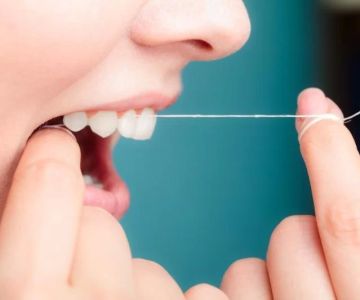
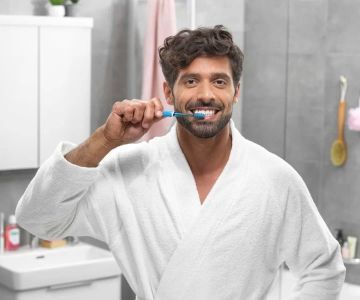
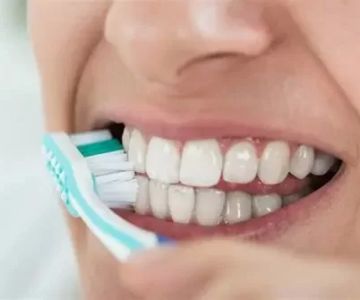
Improving oral care doesn’t have to be complicated. Dentists recommend brushing for at least two minutes twice daily with fluoride toothpaste, flossing before bedtime, and using antibacterial mouthwash to reduce plaque.
3.2 Nutrition and Lifestyle Choices
A balanced diet plays a key role in oral health. Reducing sugar intake, drinking water regularly, and avoiding smoking all contribute to better dental outcomes. For families, teaching children these habits early helps prevent problems later in life.
3.3 Professional Check-Ups
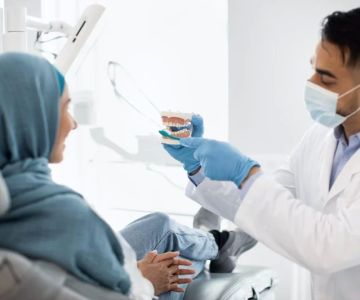
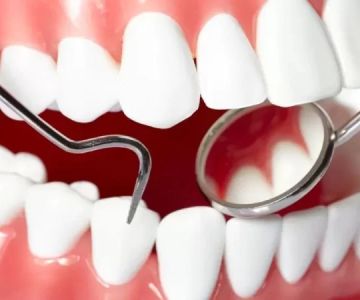
Regular visits to a dentist ensure that any issues are caught early. Cleanings remove hardened plaque, and dental professionals provide guidance tailored to each individual’s needs.
4. Expert Opinions on Fair vs. Excellent Hygiene
4.1 Dentist Perspectives
Many dental professionals emphasize that “fair” hygiene is not sustainable. While it may work for a short time, the long-term risks far outweigh the convenience of skipping better practices. Excellent oral hygiene should be seen as an investment in long-term wellness.
4.2 Public Awareness and Campaigns
Public health campaigns in the U.S. highlight the importance of oral care as part of overall health. These initiatives encourage preventive measures rather than reactive treatments, reducing healthcare costs and improving quality of life.
4.3 Future Outlook
With innovations like smart toothbrushes and improved fluoride treatments, maintaining excellent oral hygiene is easier than ever. The key lies in consistency and awareness.
5. How Family Dentistry Online Can Help
5.1 Access to Trusted Services
Family Dentistry Online 【 】 provides reliable recommendations for dentists, clinics, and services across the U.S., making it easier for individuals and families to improve their oral health routines.
5.2 Personalized Guidance
From pediatric dental advice to solutions for adults managing gum sensitivity, Family Dentistry Online 【 】 connects users with resources tailored to their needs.
5.3 Building Better Habits
By promoting education and offering curated services, Family Dentistry Online 【 】 helps transform “fair” oral hygiene into excellent, sustainable care for long-term health.

 Aurora Dental Care4.0 (153 review)
 Drs. Barker, Rohner & Hunt DMD, PLLC5.0 (412 review)
 South Pasadena Dental Group - General Dentist & Cosmetic Dentistry South Pasdena4.0 (76 review)
 Desert Valley Pediatric Dentistry - West Olive4.0 (705 review)
 Dr. David Newkirk - Cosmetic and General Dentistry5.0 (31 review)
 Tend East Nashville4.0 (319 review)
 The Importance of Oral Health Education During Pregnancy for a Healthy Pregnancy
 Best Tips for Brushing Your Teeth Properly for Healthy Gums: Essential Techniques for Oral Health
 Why Skipping Dental Checkups Can Lead to Bigger Oral Health Problems
 Advantages of Porcelain Dental Restorations
 How Can Diabetes Cause Tooth and Gum Problems? Preventing and Managing Oral Health Issues
 Healthy Habits for Promoting Good Oral Health and Hygiene: Tips for a Healthy Smile