
Understanding the Importance of Oral Hygiene
Maintaining oral hygiene is crucial for overall health and well-being, especially in the United States where dental diseases remain common despite advances in care. Good oral hygiene involves practices that keep your mouth, teeth, and gums clean and healthy, preventing conditions such as cavities, gum disease, and bad breath. These problems, if untreated, can lead to more serious health complications including heart disease and diabetes. Therefore, a strong commitment to daily oral care is essential.
1. Daily Brushing: The Foundation of Oral Health
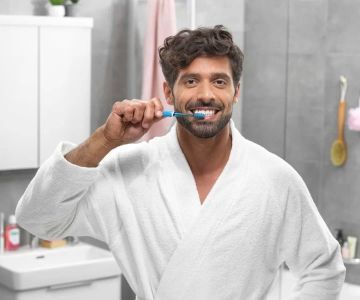
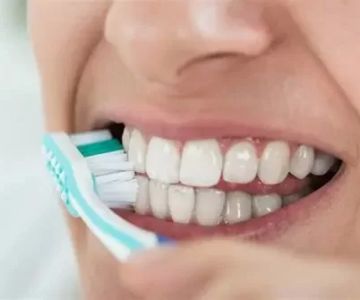
Brushing your teeth at least twice a day is the cornerstone of oral hygiene. Using a fluoride toothpaste and a soft-bristled toothbrush, gently clean all surfaces of your teeth. It’s important to replace your toothbrush every three to four months or sooner if the bristles are frayed. Brushing removes plaque—a sticky film of bacteria that forms on your teeth and can cause decay and gum inflammation.
Many Americans struggle with the right technique. A common mistake is brushing too hard, which can damage gums and tooth enamel. Instead, use gentle circular motions and spend at least two minutes brushing. Incorporating an electric toothbrush has been shown to improve plaque removal and encourage proper brushing habits.
2. Flossing: Reaching Where Brushes Can’t
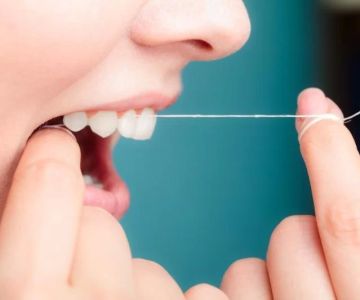
Flossing is equally essential, as it removes food particles and plaque between teeth and under the gumline where toothbrushes cannot reach. Neglecting flossing is one of the primary reasons for gum disease, which affects nearly half of adults over 30 in the US. Developing a daily flossing routine helps prevent the buildup of bacteria that leads to inflammation and periodontal disease.
For beginners, floss picks or water flossers can simplify the process. The key is consistency; even one missed day allows bacteria to multiply, increasing risk of cavities and gum issues.
3. Mouthwash: Enhancing Oral Defense
Using an antimicrobial or fluoride mouthwash complements brushing and flossing by reducing bacteria and strengthening enamel. Mouthwashes help reach areas missed during brushing and freshen breath. However, they are not a substitute for mechanical cleaning but rather an adjunct. Selecting a mouthwash suited to your oral health needs is important; consult your dentist for recommendations based on your dental condition.
Nutrition and Lifestyle Choices That Impact Oral Health
Your diet and habits significantly influence oral hygiene. Foods high in sugar and acids can erode enamel and promote decay. Conversely, a balanced diet rich in vitamins and minerals supports gum health and saliva production, which naturally protects teeth.
4. Healthy Eating for Healthy Teeth
Incorporate plenty of crunchy fruits and vegetables, dairy products rich in calcium, and lean proteins. Drinking water, especially fluoridated tap water, helps wash away food particles and bacteria. Avoid frequent snacking on sugary or sticky foods that prolong acid attacks on your teeth.
5. Avoiding Harmful Habits
Smoking and excessive alcohol consumption negatively affect oral tissues, increasing risk of gum disease, oral cancer, and tooth loss. Quitting these habits greatly benefits oral and overall health. Similarly, minimizing stress helps reduce teeth grinding and jaw clenching that can damage teeth.
Regular Dental Visits and Professional Care
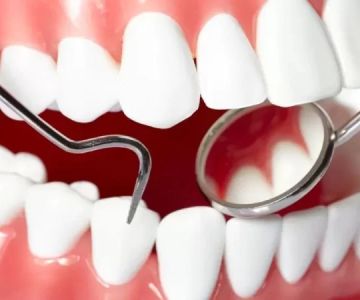
Routine dental checkups and cleanings are vital components of maintaining oral hygiene. Professional cleanings remove hardened plaque (tartar) that brushing and flossing cannot. Dentists also monitor for early signs of decay or gum disease and provide personalized advice and treatments.
6. Building a Relationship with Your Dentist
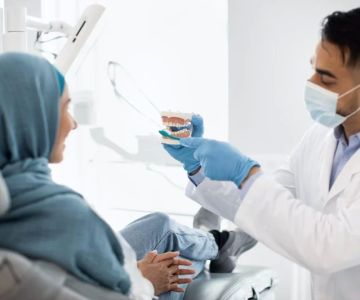
Establishing trust with a dental professional encourages timely visits and adherence to preventive care. Many Americans delay dental visits due to anxiety or cost concerns, but addressing these barriers through patient education and affordable care options improves outcomes. Regular visits also allow early detection of issues like cavities or oral cancer, preventing costly and invasive treatments.
7. Oral Hygiene Beyond the Basics
Additional practices such as tongue cleaning help remove bacteria that cause bad breath and contribute to plaque formation. Using a tongue scraper or brushing your tongue daily enhances freshness and health. Also, consider dental sealants or fluoride treatments as preventive measures, especially for children or individuals prone to cavities.
Real-Life Stories Highlighting Oral Hygiene Benefits
Consider the story of Sarah, a busy professional from Chicago, who neglected flossing and regular dental visits. Over time, she developed gum inflammation and sensitivity, which impacted her confidence. After consulting with her dentist and adopting a strict oral hygiene routine, including twice-daily brushing, daily flossing, and quarterly cleanings, Sarah’s oral health dramatically improved. Her story underscores how small daily habits can have profound effects.
Similarly, in a recent community health initiative in California, awareness campaigns promoting oral hygiene led to a measurable decrease in childhood cavities within a year. These examples demonstrate that education combined with consistent care empowers people to maintain healthy smiles.
Actionable Tips to Maintain Excellent Oral Hygiene
1. Brush your teeth for two minutes twice daily using fluoride toothpaste.
2. Floss daily to remove hidden plaque and food particles.
3. Use mouthwash to reduce oral bacteria and strengthen enamel.
4. Maintain a balanced diet low in sugars and acidic foods.
5. Avoid tobacco products and limit alcohol consumption.
6. Schedule regular dental checkups and cleanings.
7. Clean your tongue daily to fight bad breath.
8. Stay hydrated and drink fluoridated water when possible.
9. Manage stress to prevent teeth grinding.
10. Follow your dentist’s personalized oral care recommendations.
For those seeking professional guidance and services tailored to their oral health needs, consider visiting Dentistry Toothtruth, where expert care meets patient-centered solutions.

 South Mississippi Smiles - Gulfport4.0 (454 review)
 Bright Now! Dental & Orthodontics3.0 (453 review)
 Sukoff Orthodontics4.0 (433 review)
 Village Dentistry4.0 (130 review)
 Oral Surgery Services Inc4.0 (89 review)
 Bridgetown Dental4.0 (387 review)
 The Importance of Oral Health Education During Pregnancy for a Healthy Pregnancy
 Best Tips for Brushing Your Teeth Properly for Healthy Gums: Essential Techniques for Oral Health
 Why Skipping Dental Checkups Can Lead to Bigger Oral Health Problems
 Advantages of Porcelain Dental Restorations
 How Can Diabetes Cause Tooth and Gum Problems? Preventing and Managing Oral Health Issues
 Healthy Habits for Promoting Good Oral Health and Hygiene: Tips for a Healthy Smile