
1. The Importance of Good Oral Hygiene
Oral hygiene is essential not only for a beautiful smile but for your overall health. Poor oral hygiene can lead to a variety of dental problems, such as tooth decay, gum disease, and bad breath. Unfortunately, many people neglect their oral health, which can result in serious and costly dental treatments down the road. Understanding the importance of maintaining good oral hygiene and recognizing the signs of poor hygiene can help prevent these issues from arising.
1.1 What Happens When You Neglect Oral Hygiene?
Neglecting oral hygiene allows plaque and bacteria to build up on your teeth and gums. Plaque is a sticky film of bacteria that forms on your teeth, which can lead to cavities and gum disease if not removed. If plaque hardens into tartar, it becomes much harder to remove and can only be cleaned by a dentist or hygienist.
In addition to cavities and gum disease, poor oral hygiene can lead to other health issues, such as heart disease and diabetes, as bacteria from your mouth can enter your bloodstream and affect other areas of your body. Furthermore, untreated oral health problems can cause discomfort, pain, and embarrassment due to bad breath or visible tooth decay.
2. How to Treat Poor Oral Hygiene
If you've been neglecting your oral hygiene, don't worry. It's never too late to start improving it. Here’s how you can treat poor oral hygiene and get your smile back on track:
2.1 Start with Regular Brushing
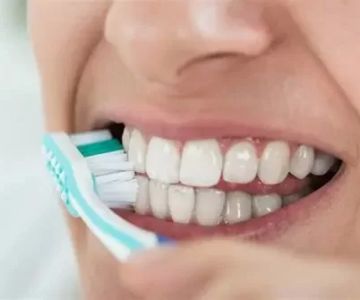
The most important step in improving oral hygiene is to brush your teeth regularly. Brushing removes plaque, food particles, and bacteria from your teeth. It’s recommended to brush your teeth at least twice a day – once in the morning and once before bed – for at least two minutes each time. Make sure you use a toothbrush with soft bristles to avoid damaging your gums and enamel.
Don’t forget to replace your toothbrush every three to four months or sooner if the bristles are frayed. If you're using an electric toothbrush, great! Electric toothbrushes are proven to remove more plaque than manual ones, making them an excellent choice for improving oral health.
2.2 Don’t Skip Flossing
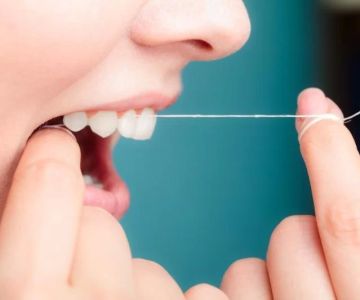
Flossing is just as important as brushing for treating poor oral hygiene. It helps remove plaque and food particles from between your teeth and along the gum line, where your toothbrush can’t reach. Flossing at least once a day can help prevent gum disease and cavities from forming between your teeth.
If traditional flossing is uncomfortable, try using floss picks or interdental brushes, which can be easier to handle and use. Regular flossing will help reduce inflammation and prevent gum bleeding, which are early signs of gum disease.
2.3 Use Mouthwash
Rinsing with mouthwash can help improve oral hygiene by reaching areas that brushing and flossing might miss. Mouthwash helps reduce plaque, kill bacteria, and freshen your breath. It’s a good idea to choose a mouthwash that has fluoride for added protection against tooth decay, or an antimicrobial mouthwash to reduce bacteria and fight gum disease.
Remember to use mouthwash as an addition to brushing and flossing – it’s not a substitute for these essential practices. Using mouthwash after brushing and flossing can provide additional benefits for your oral health.
3. Addressing Common Problems Linked to Poor Oral Hygiene
Poor oral hygiene can lead to a number of common dental problems. Here’s how to address some of these issues:
3.1 How to Treat Bad Breath
Bad breath, or halitosis, is one of the most common signs of poor oral hygiene. It’s caused by a buildup of bacteria in the mouth that produces unpleasant odors. To treat bad breath, focus on maintaining a consistent oral care routine with regular brushing, flossing, and mouthwash. Additionally, make sure to clean your tongue, as it can harbor bacteria that contribute to bad breath.
If bad breath persists despite good oral hygiene, it could be a sign of an underlying issue, such as gum disease, cavities, or a dry mouth. In such cases, it’s important to visit your dentist for further evaluation.
3.2 How to Prevent Gum Disease
Gum disease, also known as gingivitis, is a result of plaque buildup along the gum line. Early signs of gum disease include red, swollen gums that may bleed when brushing or flossing. If left untreated, gingivitis can progress to periodontitis, which can cause tooth loss.
To prevent gum disease, make sure to brush and floss daily and use mouthwash. Regular dental cleanings are also essential, as they help remove tartar and plaque that you can’t eliminate at home. Your dentist can also recommend additional treatments if necessary to prevent further damage to your gums and teeth.
3.3 Treating Cavities
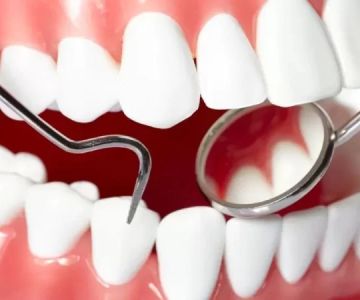
Cavities are areas of tooth decay caused by the acids in plaque that erode tooth enamel. If you notice any pain or sensitivity in your teeth, it’s crucial to visit a dentist for a professional evaluation. Treating cavities typically involves removing the decayed portion of the tooth and filling it with a dental material to restore the tooth’s shape and function.
To prevent cavities, make sure to brush regularly with fluoride toothpaste, floss daily, and visit your dentist for routine checkups. A healthy diet and reducing sugary snacks can also help prevent cavities from forming.
4. Lifestyle Habits for Better Oral Hygiene
Improving your oral hygiene also involves maintaining healthy lifestyle habits. Here are some habits to consider:
4.1 Watch Your Diet
A balanced diet is essential for good oral health. Foods rich in vitamins and minerals, like fruits, vegetables, and dairy, can help strengthen your teeth and gums. Avoid excessive sugary snacks and beverages, as they contribute to plaque buildup and tooth decay.
4.2 Avoid Tobacco
Smoking and chewing tobacco can significantly harm your oral health. Tobacco products stain your teeth, increase plaque buildup, and contribute to gum disease. Quitting smoking is one of the best ways to improve your overall oral hygiene and reduce the risk of oral health problems.
4.3 Stay Hydrated
Drinking water throughout the day helps keep your mouth hydrated and washes away food particles and bacteria. Staying hydrated also helps prevent dry mouth, a condition that can lead to bad breath and an increased risk of cavities and gum disease.
5. Seeking Professional Help
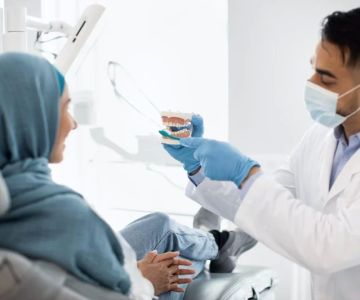
Even with the best at-home oral care routine, regular visits to the dentist are crucial for maintaining optimal oral health. Your dentist can detect potential problems early, provide professional cleanings, and offer tailored advice on maintaining good oral hygiene.
If you're struggling with poor oral hygiene or experiencing symptoms such as bad breath, bleeding gums, or tooth pain, don't hesitate to schedule an appointment with your dentist. Early intervention can help prevent more severe dental problems and ensure that your smile stays bright and healthy.
For expert advice and high-quality dental services, consider visiting Family Dentistry Online for the best care and support in achieving a healthy, beautiful smile!


 Bruce E Matthews DDS PA4.0 (201 review)
 Smile Design Dentistry Orange Blossom4.0 (354 review)
 Grand Avenue Dental Center4.0 (422 review)
 Smile Dental of New Rochelle5.0 (242 review)
 HealthPartners Dental Specialty Center Woodbury - Lake Elmo3.0 (38 review)
 Honey Orthodontics: Gurnee IL5.0 (552 review)
 The Importance of Oral Health Education During Pregnancy for a Healthy Pregnancy
 Best Tips for Brushing Your Teeth Properly for Healthy Gums: Essential Techniques for Oral Health
 Why Skipping Dental Checkups Can Lead to Bigger Oral Health Problems
 Advantages of Porcelain Dental Restorations
 How Can Diabetes Cause Tooth and Gum Problems? Preventing and Managing Oral Health Issues
 Healthy Habits for Promoting Good Oral Health and Hygiene: Tips for a Healthy Smile