
How to Treat Gum Infection at Home
- Understanding Gum Infection
- Home Remedies for Gum Infection
- When to See a Dentist
- Prevention Tips for Gum Health
Understanding Gum Infection
Gum infections, also known as gingivitis or periodontitis, are common oral health problems that can cause pain, swelling, and even tooth loss if not treated properly. These infections occur when bacteria build up along the gum line, leading to irritation and inflammation. The primary cause of gum infections is poor oral hygiene, but factors such as smoking, a poor diet, and genetic predisposition can also contribute to the problem.
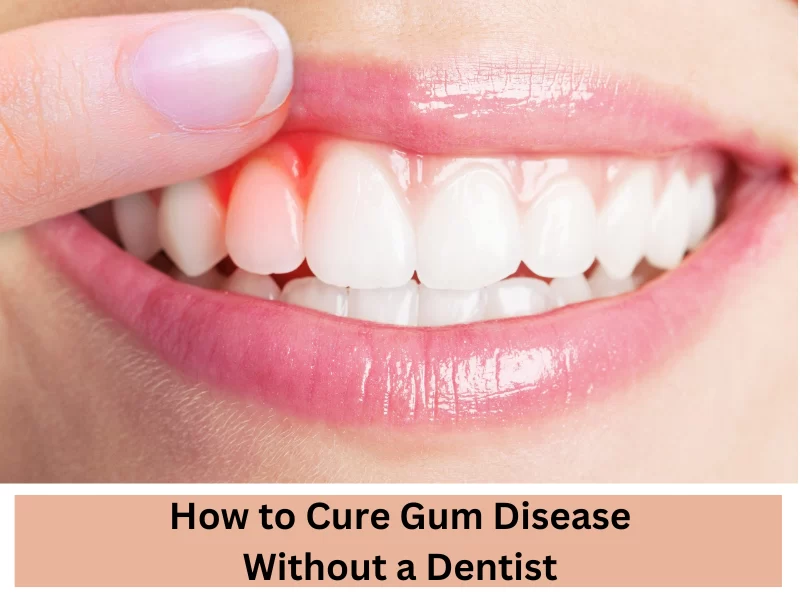
Signs of gum infection include swollen, red gums, bleeding while brushing, bad breath, and gum recession. In some cases, you may also experience tooth sensitivity or pain when chewing. Fortunately, many gum infections can be managed at home with proper care and attention.
Home Remedies for Gum Infection
If you're wondering how to treat gum infection at home, there are several effective remedies that can help reduce inflammation, alleviate pain, and promote healing:
- Saltwater Rinse: A warm saltwater rinse can help reduce swelling and kill bacteria in the mouth. Mix 1 teaspoon of salt in 8 ounces of warm water and rinse your mouth for 30 seconds, 2-3 times a day.
- Tea Tree Oil: Known for its antibacterial properties, tea tree oil can be used to help fight gum infections. Add a drop of tea tree oil to a glass of water and use it as a mouth rinse, or apply it directly to the affected area with a cotton swab.
- Aloe Vera: Aloe vera has soothing and anti-inflammatory properties that can help reduce the discomfort associated with gum infections. You can apply aloe vera gel directly to the gums or use aloe vera juice as a mouth rinse.
- Turmeric Paste: Turmeric contains curcumin, which has powerful anti-inflammatory and antimicrobial properties. Make a paste by mixing turmeric powder with water, and apply it to the gums for 5-10 minutes before rinsing off.
These remedies can be effective in managing the symptoms of a gum infection, but they should be used as part of a comprehensive oral care routine that includes brushing, flossing, and regular visits to the dentist.
When to See a Dentist
While home remedies can help treat mild gum infections, there are times when professional dental care is necessary. If your symptoms persist or worsen despite home treatment, it’s important to consult a dentist. In particular, you should see a dentist if you experience:
- Severe pain or swelling in the gums
- Fever or chills, which could indicate a more serious infection
- Loosening of teeth or significant gum recession
- Continuous bleeding after brushing or flossing
A dentist can provide treatments such as scaling and root planing, which involve removing plaque and tartar buildup from the teeth and gums to promote healing and prevent further damage.
Prevention Tips for Gum Health
Prevention is key when it comes to maintaining healthy gums. Here are some tips to help avoid gum infections in the future:
- Brush Regularly: Brush your teeth at least twice a day using fluoride toothpaste. Make sure to brush along the gum line to remove plaque and bacteria.
- Floss Daily: Flossing helps remove food particles and plaque from between the teeth and along the gum line, areas that a toothbrush may miss.
- Eat a Balanced Diet: A healthy diet rich in fruits, vegetables, and whole grains can help support your gum health. Avoid sugary foods and drinks, which can promote bacterial growth in the mouth.
- Visit Your Dentist Regularly: Regular dental check-ups and cleanings are essential for maintaining good oral health. Your dentist can catch any early signs of gum infection before they become more serious.
By following these simple steps, you can keep your gums healthy and reduce the risk of future infections.






 Windmill Dental Care4.0 (9 review)
 RiverRock Dental4.0 (157 review)
 Contemporary Dental Implant Centre4.0 (13 review)
 Sonrisas Dental Studio3.0 (101 review)
 Kenneth E Myers, DDS4.0 (13 review)
 The Better Sleep Dentists5.0 (2 review)
 The Importance of Oral Health Education During Pregnancy for a Healthy Pregnancy
 Best Tips for Brushing Your Teeth Properly for Healthy Gums: Essential Techniques for Oral Health
 Why Skipping Dental Checkups Can Lead to Bigger Oral Health Problems
 Advantages of Porcelain Dental Restorations
 How Can Diabetes Cause Tooth and Gum Problems? Preventing and Managing Oral Health Issues
 Healthy Habits for Promoting Good Oral Health and Hygiene: Tips for a Healthy Smile