
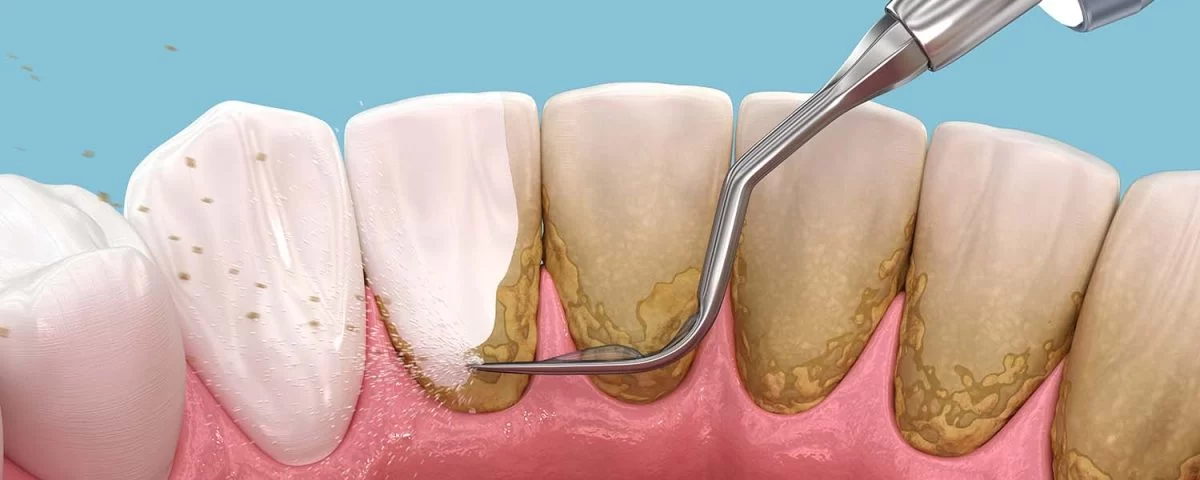
How to Reduce Plaque Buildup on Teeth Naturally: Effective Tips and Solutions
- 1. Understanding Plaque Buildup on Teeth
- 2. Natural Ways to Reduce Plaque on Teeth
- 3. Proper Brushing and Flossing Techniques
- 4. How Diet Affects Plaque Buildup
- 5. Professional Dental Care for Plaque Removal
1. Understanding Plaque Buildup on Teeth
Plaque is a sticky, colorless film of bacteria that forms on your teeth. It is a natural byproduct of the food you eat, especially sugary and starchy foods. Over time, plaque can harden into tartar if not removed regularly, leading to cavities, gum disease, and other dental problems. The best way to prevent plaque buildup is by understanding how it forms and how to remove it effectively.
2. Natural Ways to Reduce Plaque on Teeth
If you're looking to reduce plaque buildup naturally, there are several methods that can help you maintain a cleaner, healthier mouth without relying heavily on commercial products. Here are some natural techniques to try:
- Oil Pulling: This ancient practice involves swishing oil (usually coconut or sesame oil) around in your mouth for 10-20 minutes. It can help reduce plaque and bacteria in your mouth.
- Chewing Sugar-Free Gum: Chewing gum stimulates saliva production, which naturally helps wash away food particles and neutralizes acids that can contribute to plaque.
- Apple Cider Vinegar Rinse: A diluted apple cider vinegar rinse can help reduce plaque due to its acidic properties, which break down the bacteria in your mouth.
3. Proper Brushing and Flossing Techniques
Effective brushing and flossing are the cornerstones of good oral hygiene. But it's not just about brushing your teeth twice a day – how you brush and floss matters too. Here's how to do it right:
- Brush for Two Minutes: Ensure you're brushing for a full two minutes to effectively clean every surface of your teeth. Use a soft-bristled toothbrush and fluoride toothpaste.
- Floss Daily: Flossing removes food particles and plaque from between your teeth and along the gumline, areas that your toothbrush can't reach.
- Use the Right Technique: When brushing, use small, circular motions rather than harsh back-and-forth strokes. This minimizes the risk of damaging your gums and enamel.
4. How Diet Affects Plaque Buildup
Your diet plays a huge role in plaque buildup. Foods high in sugars and refined carbohydrates feed the bacteria in your mouth, leading to more plaque. Here are some dietary tips for reducing plaque:
- Eat Crunchy Vegetables: Vegetables like carrots, celery, and broccoli act like natural toothbrushes, scrubbing away plaque as you chew.
- Avoid Sugary Snacks: Reducing your intake of sugary snacks and drinks will lower the amount of sugar in your mouth, decreasing plaque buildup.
- Drink Plenty of Water: Water helps to rinse away food particles and bacteria from your mouth, helping to prevent plaque formation.
5. Professional Dental Care for Plaque Removal
While at-home methods are essential for maintaining oral hygiene, regular visits to the dentist are crucial for effective plaque removal. A professional dental cleaning is the best way to get rid of stubborn plaque and tartar that brushing and flossing can't remove.
During a dental cleaning, the dentist or hygienist uses specialized tools to scrape off plaque and tartar. They may also polish your teeth to leave them feeling smooth and clean, making it more difficult for plaque to stick in the future.
In addition to cleanings, your dentist can provide personalized advice on maintaining plaque-free teeth and recommend products tailored to your dental needs.
Want to learn more about how to reduce plaque buildup and improve your dental hygiene routine? Visit Dentistry Toothtruth for expert advice and products to keep your teeth healthy and plaque-free!

 Dr. Michael Silverman Dental P.C.4.0 (23 review)
 Mission Dental Arts5.0 (167 review)
 ClearChoice Dental Implant Center4.0 (383 review)
 Potter Orthodontics4.0 (131 review)
 Reflections Dental4.0 (542 review)
 Michael E Krone & Associates5.0 (39 review)
 The Importance of Oral Health Education During Pregnancy for a Healthy Pregnancy
 Best Tips for Brushing Your Teeth Properly for Healthy Gums: Essential Techniques for Oral Health
 Why Skipping Dental Checkups Can Lead to Bigger Oral Health Problems
 Advantages of Porcelain Dental Restorations
 How Can Diabetes Cause Tooth and Gum Problems? Preventing and Managing Oral Health Issues
 Healthy Habits for Promoting Good Oral Health and Hygiene: Tips for a Healthy Smile