
How to Prevent Tooth Decay in the Elderly
- 1. Understanding Tooth Decay in the Elderly
- 2. Preventive Measures to Combat Tooth Decay
- 3. Best Oral Care Routines for Seniors
- 4. Diet and Lifestyle Factors that Affect Oral Health
- 5. When to Seek Dental Help for the Elderly
1. Understanding Tooth Decay in the Elderly
Tooth decay, also known as dental caries, is a common concern in elderly populations. As we age, our oral health naturally declines due to factors such as reduced saliva production, medication side effects, and a decline in mobility that can make brushing and flossing more difficult. The elderly are also more prone to gum disease and cavities due to the accumulation of plaque and bacteria, which can lead to severe dental issues if not addressed.
Understanding the causes and risks of tooth decay in seniors is crucial for effective prevention. Over time, the enamel, the outer protective layer of teeth, wears down, making the teeth more vulnerable to decay. Additionally, some seniors may have existing dental restorations such as fillings or crowns, which can also be susceptible to decay if not properly maintained.
2. Preventive Measures to Combat Tooth Decay
Preventing tooth decay in the elderly involves consistent oral hygiene practices and adopting a proactive approach to dental care. Here are some effective strategies for maintaining strong, healthy teeth in older adults:
Regular Brushing and Flossing
It’s essential for seniors to brush their teeth at least twice a day using fluoride toothpaste. Fluoride helps to strengthen enamel and prevent cavities. Flossing once a day is equally important to remove plaque between the teeth where a toothbrush can't reach. Electric toothbrushes can be a helpful tool for those with limited dexterity, as they do most of the work.
Regular Dental Checkups
Visiting a dentist regularly (at least every six months) is crucial for maintaining oral health. Dentists can identify early signs of tooth decay or gum disease and provide professional cleaning to remove tartar buildup, which cannot be removed through regular brushing and flossing.
Fluoride Treatments
For those at higher risk of tooth decay, fluoride treatments are often recommended. These treatments are applied by a dentist to provide extra protection against cavities and enamel erosion. Fluoride can be applied topically or prescribed in the form of a mouth rinse or gel.
3. Best Oral Care Routines for Seniors
A good oral care routine is essential for elderly individuals to prevent tooth decay and maintain a healthy smile. The key components of an effective routine include:
- Brushing: Brush twice daily with fluoride toothpaste. Focus on all surfaces of your teeth and gums.
- Flossing: Floss between teeth daily to remove plaque and food particles.
- Using Mouthwash: An antimicrobial mouthwash can help control plaque and bacteria buildup, reducing the risk of decay and gum disease.
- Hydration: Stay hydrated to help stimulate saliva production, which is crucial for neutralizing acids and washing away food particles.
Following these practices can significantly reduce the risk of tooth decay and other oral health problems in seniors.
4. Diet and Lifestyle Factors that Affect Oral Health
What seniors eat can have a significant impact on their dental health. Here are some dietary and lifestyle factors that can help prevent tooth decay:
Healthy Diet
Foods rich in calcium, vitamin D, and phosphorus are beneficial for maintaining strong teeth. Dairy products, leafy greens, and fortified cereals can help promote enamel health. Limiting sugary snacks and beverages is essential, as sugar is a leading contributor to tooth decay.
Avoid Tobacco and Alcohol
Tobacco and alcohol can dry out the mouth and increase the risk of gum disease and tooth decay. Quitting smoking and reducing alcohol consumption can have a positive impact on oral health and overall well-being.
5. When to Seek Dental Help for the Elderly
It’s important for seniors to seek dental help promptly if they experience symptoms like tooth pain, gum bleeding, dry mouth, or difficulty chewing. Early intervention can prevent more severe dental issues such as advanced tooth decay, root infections, or even tooth loss. Regular dental visits are essential for catching issues before they progress.
Additionally, seniors who have dentures, bridges, or other dental prosthetics should visit their dentist to ensure their restorations are well-fitted and functioning properly.
Prevent Tooth Decay and Maintain a Healthy Smile
By following the above strategies, seniors can greatly reduce their risk of tooth decay and enjoy a healthier, more confident smile. For more information on oral care or to explore recommended dental products, visit Dentistry Toothtruth today.






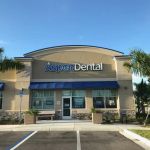 Aspen Dental - Naples, FL4.0 (420 review)
 Dr. Joyce Dentistry4.0 (204 review)
 T. R. Smiles Dental4.0 (215 review)
 The Better Sleep Dentists5.0 (2 review)
 Ata Dental4.0 (628 review)
 Presidental Plan0.0 (0 review)
 The Importance of Oral Health Education During Pregnancy for a Healthy Pregnancy
 Best Tips for Brushing Your Teeth Properly for Healthy Gums: Essential Techniques for Oral Health
 Why Skipping Dental Checkups Can Lead to Bigger Oral Health Problems
 Advantages of Porcelain Dental Restorations
 How Can Diabetes Cause Tooth and Gum Problems? Preventing and Managing Oral Health Issues
 Healthy Habits for Promoting Good Oral Health and Hygiene: Tips for a Healthy Smile