
Understanding Tooth Decay and Its Impact on Oral Health
Tooth decay is one of the most common dental problems faced by millions across the United States. It occurs when the enamel, the protective outer layer of your teeth, is damaged by acids produced by bacteria feeding on sugars in the mouth. If left untreated, tooth decay can lead to painful cavities, infections, and even tooth loss, severely affecting overall health and quality of life.
Preventing tooth decay is not only essential for maintaining a bright smile but also crucial for avoiding expensive dental treatments and long-term health issues. In this article, we dive deep into effective strategies and oral hygiene tips to help you protect your teeth from decay.
1. Daily Oral Hygiene Practices to Prevent Tooth Decay
1.1 Brushing Techniques and Frequency
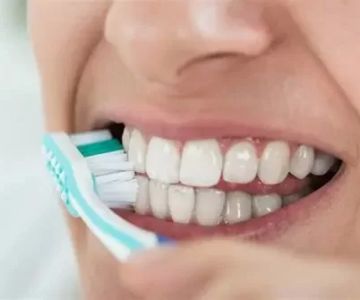
Brushing your teeth twice daily is the cornerstone of preventing tooth decay. Use a fluoride toothpaste and a soft-bristled toothbrush to gently clean all surfaces of your teeth. Proper brushing technique includes holding the brush at a 45-degree angle to your gums and using short, circular motions.
It's important to brush for at least two minutes to ensure plaque, the sticky film that harbors bacteria, is effectively removed. Don’t forget to brush your tongue to eliminate bacteria that cause bad breath and contribute to oral decay.
1.2 The Importance of Flossing
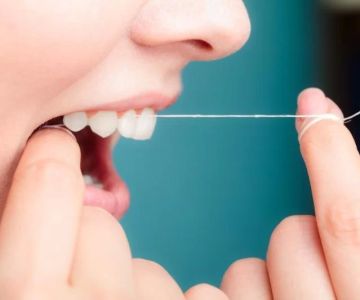
Flossing daily helps remove food particles and plaque from areas your toothbrush can’t reach — between teeth and under the gumline. Failure to floss regularly allows bacteria to accumulate in these tight spaces, increasing the risk of cavities and gum disease.
Many people underestimate flossing, but it is vital for a comprehensive oral care routine. If traditional floss is challenging, alternatives like floss picks or water flossers can make the process easier and more effective.
1.3 Mouthwash and Its Role
Using an antimicrobial mouthwash after brushing and flossing can reduce bacteria levels, freshen breath, and strengthen enamel if it contains fluoride. However, mouthwash should complement, not replace, brushing and flossing.
2. Dietary Habits and Their Influence on Tooth Decay
2.1 Limit Sugary and Acidic Foods
Sugar is the primary fuel for decay-causing bacteria. Frequent consumption of sugary snacks, sodas, and acidic beverages like citrus juices dramatically increases the risk of enamel erosion and cavities. Reducing intake of these items and opting for healthier snacks such as nuts, cheese, or fresh fruits can protect your teeth.
Hydrating with water, especially fluoridated water common in many US cities, helps rinse away food particles and maintain a healthy oral environment.
2.2 Timing and Frequency of Eating
Snacking constantly throughout the day keeps your teeth under constant acid attack. Try to limit snacks and drinks that contain sugars and acids to meal times and rinse your mouth with water afterward to reduce the acid buildup.
3. Professional Dental Care for Decay Prevention
3.1 Regular Dental Checkups and Cleanings
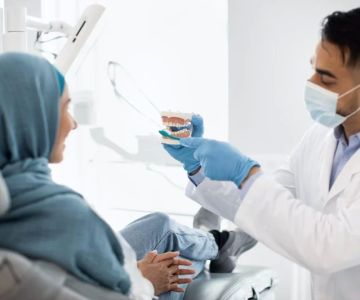
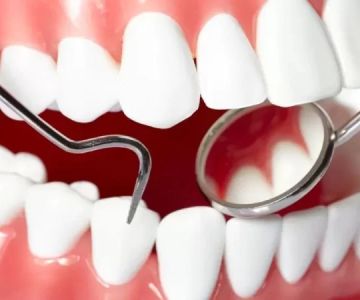
Visiting your dentist at least twice a year is essential for early detection and prevention of tooth decay. Dental professionals can remove hardened plaque (tartar), check for cavities, and provide personalized advice tailored to your oral health needs.
3.2 Fluoride Treatments and Sealants
Fluoride strengthens tooth enamel, making it more resistant to decay. Professional fluoride treatments, especially for children and at-risk adults, can be a powerful preventive measure. Additionally, dental sealants applied to the chewing surfaces of molars create a protective barrier against bacteria and food particles.
4. Real-Life Stories Highlighting the Importance of Prevention
Consider Sarah, a busy mother from Texas who neglected regular dental visits and frequently snacked on sugary treats. Over time, she developed multiple cavities that required root canals and crowns — costly procedures that could have been avoided with proper oral hygiene and timely dental care.
On the other hand, John, a college student from California, followed strict oral hygiene routines, limited sugary drinks, and scheduled routine dental cleanings. His dental health remained strong, saving him from pain and expensive treatments.
These stories emphasize that prevention through everyday habits is the most effective way to maintain oral health and avoid tooth decay complications.
5. Tips for Establishing a Strong Oral Hygiene Routine
5.1 Make Oral Care a Priority
Set reminders to brush and floss, and make it a non-negotiable part of your daily routine. Involve family members, making oral hygiene a shared activity to foster good habits.
5.2 Choose the Right Products
Select toothpaste with fluoride, replace your toothbrush every 3 months, and explore flossing tools that suit your comfort level. Using products designed for decay prevention enhances your efforts.
5.3 Stay Informed and Seek Professional Advice
Keep up with the latest oral health recommendations and don’t hesitate to consult dental professionals with any concerns. Early intervention can prevent minor issues from becoming severe problems.
For those seeking expert guidance or specialized dental services to prevent tooth decay and improve oral health, Dentistry Toothtruth offers trusted recommendations and tailored care plans designed for lasting smiles across the United States.


 I Smile KCK4.0 (401 review)
 Vivian Lee Orthodontics4.0 (155 review)
 Scott Tobias DDS: Idaho Falls Dental Group0.0 (0 review)
 Amboy Orthodontics4.0 (70 review)
 Island Orthodontics/Invisalign Center4.0 (726 review)
 Mountainside Dental Group - Rancho Santa Margarita4.0 (117 review)
 The Importance of Oral Health Education During Pregnancy for a Healthy Pregnancy
 Best Tips for Brushing Your Teeth Properly for Healthy Gums: Essential Techniques for Oral Health
 Why Skipping Dental Checkups Can Lead to Bigger Oral Health Problems
 Advantages of Porcelain Dental Restorations
 How Can Diabetes Cause Tooth and Gum Problems? Preventing and Managing Oral Health Issues
 Healthy Habits for Promoting Good Oral Health and Hygiene: Tips for a Healthy Smile