

The Growing Importance of Preventing Oral Cancer
Oral cancer is a serious health concern in the United States, affecting thousands of people each year. It often begins with small, unnoticed changes in the mouth that develop into more dangerous conditions if not treated early. Preventing oral cancer is not only possible but also achievable through consistent habits, regular screenings, and awareness of risk factors. Many individuals believe oral cancer is uncommon, but according to the American Cancer Society, over 50,000 new cases are diagnosed annually. Understanding how to protect yourself and your loved ones is the first step toward prevention and long-term oral health.
Understanding the Risk Factors Behind Oral Cancer
To prevent oral cancer, it’s essential to know the behaviors and factors that increase risk. Tobacco use, whether smoking or chewing, remains the leading cause of oral cancer. Excessive alcohol consumption further compounds the risk, especially when combined with smoking. Poor diet, chronic sun exposure on the lips, and human papillomavirus (HPV) infections also contribute significantly. By recognizing these risk factors, individuals can take proactive measures to lower their chances of developing the disease. For example, reducing tobacco use and moderating alcohol intake can dramatically reduce oral cancer risk over time.
The Role of Oral Hygiene in Prevention
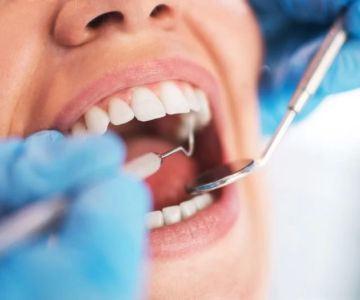
Good oral hygiene does more than keep your teeth and gums healthy—it also plays a role in preventing oral cancer. Regular brushing, flossing, and professional dental cleanings help reduce harmful bacteria and inflammation, both of which can increase cancer risk if left untreated. Dentists often notice early signs of abnormal tissue during routine exams, providing a chance for early intervention. Families in the U.S. are encouraged to schedule biannual check-ups, and platforms like Family Dentistry Online can connect patients with trusted professionals to support long-term prevention strategies.
Healthy Lifestyle Choices That Protect Against Oral Cancer
Lifestyle choices directly influence oral health. A diet rich in fruits, vegetables, and antioxidants helps the body fight off harmful changes in cells that may lead to cancer. Avoiding processed foods and sugary drinks not only protects the teeth but also supports overall wellness. Regular exercise improves circulation and immune function, giving the body a better chance to resist diseases, including cancer. Real-life stories highlight this link: a middle-aged man who switched from a smoking habit to daily running and healthier meals noticed improved oral health during his dental visits and reduced his cancer risk significantly.
Recognizing Early Warning Signs of Oral Cancer
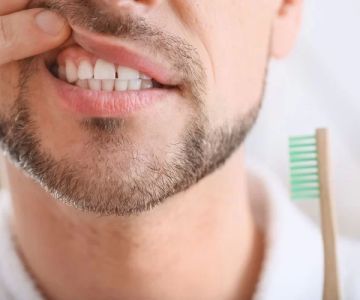
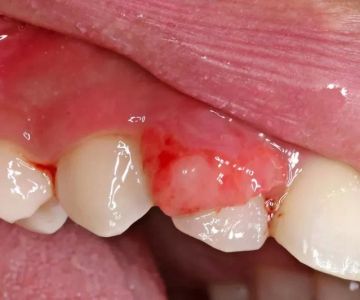
Prevention also involves awareness of early symptoms. Persistent sores in the mouth, unexplained bleeding, difficulty swallowing, or red and white patches on the tongue should never be ignored. Unfortunately, many people delay seeking help because they assume these issues will resolve on their own. By the time they visit a doctor or dentist, the condition may already be advanced. Early detection can save lives, which is why patients are encouraged to perform monthly self-checks in the mirror and promptly schedule appointments if they notice unusual changes.
Regular Screenings and Professional Check-Ups
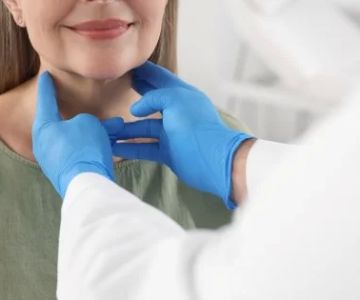
Dental professionals in the U.S. are trained to identify early signs of oral cancer, often before the patient notices symptoms. Regular screenings, especially for those at higher risk, are critical. Dentists may use special lights or dyes to detect abnormal tissues, offering a non-invasive and quick way to spot potential issues. Scheduling these exams annually, or more often for high-risk patients, is one of the most effective steps in prevention. Clinics that partner with Family Dentistry Online often emphasize these screenings as part of comprehensive oral care packages.
Community Awareness and Education
Public awareness campaigns play a vital role in oral cancer prevention. Schools, workplaces, and healthcare centers across the United States often provide educational sessions about oral hygiene and cancer prevention. For instance, during Oral Cancer Awareness Month each April, dentists nationwide volunteer time for free screenings and community outreach. These programs remind people that oral cancer is not only preventable but also treatable when caught early. Greater awareness helps individuals make smarter choices and spreads the message that oral health is directly connected to overall health.
Making Prevention a Family Priority
Preventing oral cancer is not just an individual effort—it’s a family responsibility. Encouraging children to develop good oral hygiene habits early, limiting exposure to secondhand smoke, and promoting healthier diets create a protective environment at home. Families who prioritize routine dental visits set a strong example, reducing generational risks. By making prevention part of everyday life, households across America can significantly lower oral cancer cases in the future. For reliable resources and family-focused dental care, many turn to Family Dentistry Online for guidance and trusted service recommendations.

 Dentistry for Children - Cumming Midway4.0 (275 review)
 Dentistry for Midtown Atlanta4.0 (404 review)
 Lane & Associates Family Dentistry - Cary Tryon4.0 (560 review)
 Rentschler and Rhee Dentistry5.0 (220 review)
 Banyan Dental Care4.0 (90 review)
 Wang Orthodontics5.0 (1014 review)
 The Importance of Oral Health Education During Pregnancy for a Healthy Pregnancy
 Best Tips for Brushing Your Teeth Properly for Healthy Gums: Essential Techniques for Oral Health
 Why Skipping Dental Checkups Can Lead to Bigger Oral Health Problems
 Advantages of Porcelain Dental Restorations
 How Can Diabetes Cause Tooth and Gum Problems? Preventing and Managing Oral Health Issues
 Healthy Habits for Promoting Good Oral Health and Hygiene: Tips for a Healthy Smile