
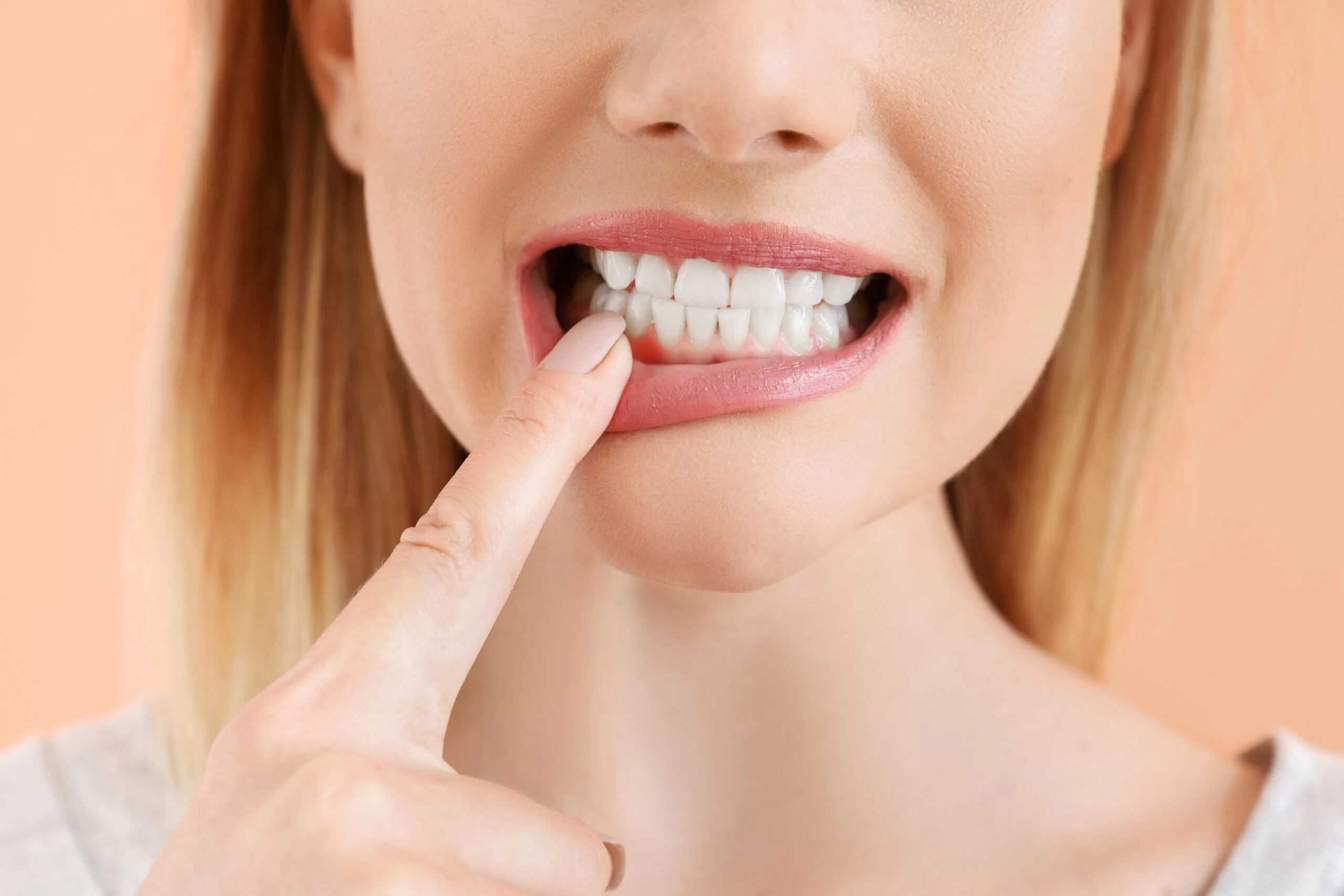
How to Prevent Gum Disease: Essential Tips for Healthy Gums and Better Oral Hygiene
- 1. What Is Gum Disease?
- 2. Early Signs of Gum Disease
- 3. Common Causes of Gum Disease
- 4. Top Tips to Prevent Gum Disease
- 5. When to See a Dentist for Gum Disease
1. What Is Gum Disease?
Gum disease, also known as periodontal disease, is an infection of the tissues that surround and support your teeth. It starts with inflammation of the gums (gingivitis) and can progress to more serious conditions affecting the bone structures, leading to tooth loss if not properly treated.
There are two primary stages of gum disease:
- Gingivitis: The early stage of gum disease, characterized by redness, swelling, and bleeding of the gums. It is typically caused by plaque buildup on the teeth.
- Periodontitis: A more advanced stage of gum disease, where the inflammation spreads deeper into the bone and tissue, leading to significant damage and potential tooth loss.
Understanding the signs and symptoms of gum disease is crucial for early detection and prevention. Fortunately, there are many ways to prevent gum disease, which we'll explore in the following sections.
2. Early Signs of Gum Disease
Recognizing the early signs of gum disease can help you take preventive action before the condition worsens. Some common early symptoms of gum disease include:
- Red, swollen gums: Healthy gums should appear pink and firm. If your gums are inflamed or reddened, it could be a sign of gingivitis.
- Bleeding gums: Gums that bleed while brushing or flossing are a common indicator of gum disease.
- Bad breath: Persistent bad breath or a bad taste in the mouth can be a symptom of gum disease.
- Receding gums: If your gums start to pull back from your teeth, it may be a sign of advanced gum disease.
- Loose teeth: As gum disease progresses, the tissues and bone that support your teeth may become compromised, leading to tooth mobility.
If you notice any of these signs, it is important to take action immediately to prevent further damage. Early intervention is key to stopping the progression of gum disease.
3. Common Causes of Gum Disease
Gum disease is primarily caused by poor oral hygiene, but other factors can contribute to its development. Here are some common causes:
- Poor oral hygiene: Inadequate brushing and flossing allow plaque, a sticky film of bacteria, to build up on the teeth, leading to gingivitis and gum disease.
- Smoking or chewing tobacco: Tobacco use significantly increases the risk of gum disease, making it harder for gums to heal after an infection.
- Genetics: Some individuals are more prone to gum disease due to genetic factors, even with good oral hygiene practices.
- Hormonal changes: Changes such as pregnancy, menopause, or the use of birth control can affect gum health, making them more susceptible to infection.
- Medical conditions: Certain conditions, such as diabetes, can increase the risk of gum disease. Medications that reduce saliva flow can also increase susceptibility.
- Poor nutrition: A diet low in essential nutrients, particularly vitamin C, can weaken the immune system and make the gums more vulnerable to disease.
Being aware of these risk factors can help you take extra precautions to maintain healthy gums and prevent gum disease.
4. Top Tips to Prevent Gum Disease
Fortunately, gum disease is preventable with good oral hygiene and healthy lifestyle habits. Here are some top tips to keep your gums healthy:
- Brush twice a day: Brush your teeth at least twice a day with fluoride toothpaste to remove plaque buildup. Be sure to use gentle, circular motions to avoid damaging your gums.
- Floss daily: Flossing removes food particles and plaque from between the teeth and along the gumline, areas that your toothbrush may miss.
- Use an antimicrobial mouthwash: An antimicrobial mouthwash can help reduce plaque and control bacteria in your mouth, further protecting your gums from infection.
- Eat a healthy diet: A diet rich in fruits, vegetables, and whole grains can strengthen your immune system and support your gum health. Avoid sugary foods that promote plaque buildup.
- Quit smoking: If you smoke, quitting can greatly reduce your risk of developing gum disease and help your gums recover if they are already affected.
- Regular dental check-ups: Regular visits to the dentist for cleanings and exams are essential for preventing and detecting gum disease early.
By incorporating these habits into your daily routine, you can significantly reduce your risk of gum disease and maintain healthy gums for years to come.
5. When to See a Dentist for Gum Disease
If you notice any symptoms of gum disease, it’s important to seek professional dental care. Your dentist can diagnose the condition and recommend appropriate treatments to prevent further damage. Even if you don't experience any noticeable symptoms, regular check-ups are essential for keeping your gums healthy and preventing gum disease.
In some cases, gum disease may require professional treatments such as scaling and root planing, or more advanced interventions like surgery, if the disease has progressed significantly.
Don’t wait until it’s too late! Take action now to protect your gums and maintain good oral health.






 Midwest Dental Implantology Dr. Tricia Crosby, Dr. Martin Kolinski, Dr. William Trahan4.0 (49 review)
 Eagan Dental Care4.0 (197 review)
 Dentistry at 1818 Market Street4.0 (686 review)
 King of Prussia Dental Associates4.0 (113 review)
 ForwardDental Madison East4.0 (165 review)
 Harborside Dental4.0 (32 review)
 The Importance of Oral Health Education During Pregnancy for a Healthy Pregnancy
 Best Tips for Brushing Your Teeth Properly for Healthy Gums: Essential Techniques for Oral Health
 Why Skipping Dental Checkups Can Lead to Bigger Oral Health Problems
 Advantages of Porcelain Dental Restorations
 How Can Diabetes Cause Tooth and Gum Problems? Preventing and Managing Oral Health Issues
 Healthy Habits for Promoting Good Oral Health and Hygiene: Tips for a Healthy Smile