
1. Why Oral Hygiene is Crucial for Your Health
Oral hygiene is more than just about having a clean mouth and fresh breath. It’s a vital part of your overall health and well-being. Poor oral hygiene can lead to a host of dental problems such as cavities, gum disease, and bad breath. It can also contribute to serious health issues, including heart disease, diabetes, and respiratory infections. Maintaining good oral hygiene helps prevent these issues, giving you not only a beautiful smile but also a healthier body.
The mouth is a gateway to the rest of the body, and when oral hygiene is neglected, harmful bacteria can enter the bloodstream, leading to infections and inflammation. Proper dental care is essential to keeping these harmful bacteria at bay and ensuring your teeth and gums stay healthy for life.
2. Key Components of a Good Oral Hygiene Routine
Maintaining optimal oral hygiene doesn’t have to be complicated. In fact, with the right habits, you can easily maintain a healthy smile. Here are the key components of an effective oral hygiene routine:
2.1 Brushing Your Teeth Properly
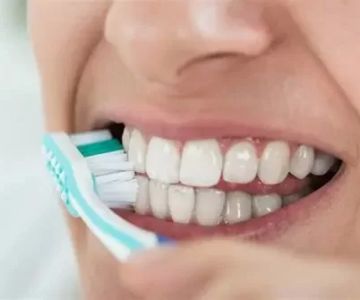
The foundation of oral hygiene is brushing your teeth. It’s recommended that you brush your teeth at least twice a day—once in the morning and once before bed. Use a fluoride toothpaste to help prevent cavities and gum disease. Make sure to brush for at least two minutes, using a gentle circular motion to clean the front, back, and chewing surfaces of each tooth.
Don’t forget to brush your tongue as well. The tongue can harbor bacteria that contribute to bad breath, so giving it a quick brush while you clean your teeth can make a big difference in your oral hygiene.
2.2 Flossing Daily
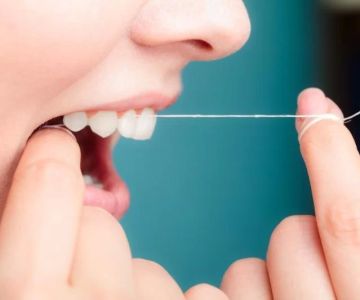
Brushing alone isn’t enough to remove all the food particles and plaque that can get stuck between your teeth. This is where flossing comes in. Flossing is essential for cleaning the tight spaces between your teeth that a toothbrush can’t reach. It helps prevent gum disease and cavities by removing plaque and food debris.
Make flossing a daily habit, ideally before bedtime, to ensure that any trapped food and plaque don’t remain in your mouth overnight. If you find traditional flossing difficult, consider using floss picks or an interdental brush to clean between your teeth.
2.3 Using Mouthwash
After brushing and flossing, mouthwash can be an excellent addition to your oral hygiene routine. Mouthwash helps to kill bacteria, freshen your breath, and provide an extra layer of protection against plaque buildup. Choose an antimicrobial mouthwash that’s alcohol-free and contains fluoride to give your teeth the best care.
Rinse for about 30 seconds to a minute to maximize its benefits. Be sure to follow the instructions on the mouthwash bottle to avoid overuse, which can irritate your gums or dry out your mouth.
3. The Role of Diet in Oral Hygiene
Your diet plays a significant role in your oral health. Eating the right foods can help support healthy teeth and gums, while others can cause damage. A well-balanced diet rich in vitamins and minerals helps keep your teeth strong and resistant to decay.
3.1 Foods to Eat for Strong Teeth
Foods high in calcium, such as dairy products, leafy greens, and fortified cereals, help build strong tooth enamel. Additionally, foods rich in vitamin C—like citrus fruits, strawberries, and bell peppers—help promote healthy gums and reduce the risk of gum disease.
Crunchy fruits and vegetables, such as apples, carrots, and celery, can help scrub plaque off your teeth naturally. These foods stimulate saliva production, which helps wash away food particles and bacteria, keeping your mouth clean and fresh.
3.2 Foods to Avoid for Healthy Teeth
While healthy foods support oral hygiene, certain foods and drinks can lead to tooth decay and other dental issues. Sugary snacks and beverages, such as candy, soda, and pastries, are prime culprits. Sugar feeds harmful bacteria in the mouth, leading to plaque buildup and tooth decay.
Sticky foods, such as dried fruits, granola bars, or sugary gum, can also get stuck in your teeth and are harder to remove. If you do indulge in sugary or sticky treats, make sure to brush your teeth afterward or at least rinse your mouth with water to minimize damage.
4. Regular Dental Check-ups
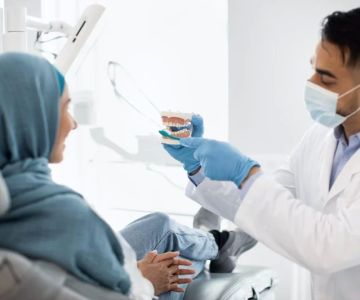
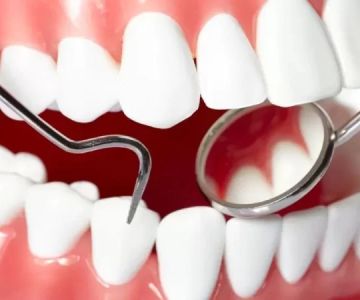
Even with the best at-home oral hygiene routine, it’s still essential to see your dentist regularly. Professional cleanings, usually every six months, help remove plaque and tartar buildup that brushing and flossing can’t tackle. During these check-ups, your dentist will also monitor your overall oral health, checking for signs of gum disease, cavities, and other issues.
Regular visits to the dentist allow for early detection and treatment of any dental problems, preventing more serious complications down the road. If you experience any discomfort, such as tooth sensitivity or bleeding gums, it’s important to schedule an appointment as soon as possible.
5. The Impact of Poor Oral Hygiene
While good oral hygiene can lead to a lifetime of healthy teeth and gums, neglecting your dental care can lead to serious consequences. Poor oral hygiene can result in cavities, gum disease, and bad breath. In more severe cases, it can lead to tooth loss and increase your risk for systemic health issues such as heart disease, diabetes, and respiratory infections.
One notable example is the link between gum disease and heart health. Studies have shown that untreated gum disease can increase your risk of developing heart disease due to the spread of bacteria into the bloodstream. This highlights just how important it is to prioritize oral hygiene, not just for a beautiful smile but for your overall health.
6. Fun Story: How One Person Changed Their Oral Hygiene Habits
Meet Tom, a 35-year-old who struggled with consistent oral hygiene. Tom used to skip brushing at night and only brushed his teeth in the morning. His dentist noticed early signs of gum disease during a routine check-up and warned him that if he didn’t improve his oral hygiene habits, he could face more severe dental issues in the future.
Motivated to make a change, Tom started following a more disciplined oral hygiene routine. He began brushing twice a day, flossing daily, and using mouthwash regularly. Within a few months, his gum health improved, and the sensitivity he had been feeling in his teeth disappeared. Tom’s experience shows that with commitment and the right oral hygiene habits, it’s never too late to improve your dental health.
For more tips and professional dental care recommendations, visit Family Dentistry Online, where we offer expert services and advice to help you maintain the best oral hygiene possible.


 Countryside Dental4.0 (148 review)
 Access Health Dental4.0 (280 review)
 East Brunswick Pediatric Dentistry4.0 (525 review)
 Bridging the Dental Gap4.0 (343 review)
 Advanced Dentistry & Implant Center of Scottsdale4.0 (204 review)
 Dr. Kenneth J. Kalil0.0 (0 review)
 The Importance of Oral Health Education During Pregnancy for a Healthy Pregnancy
 Best Tips for Brushing Your Teeth Properly for Healthy Gums: Essential Techniques for Oral Health
 Why Skipping Dental Checkups Can Lead to Bigger Oral Health Problems
 Advantages of Porcelain Dental Restorations
 How Can Diabetes Cause Tooth and Gum Problems? Preventing and Managing Oral Health Issues
 Healthy Habits for Promoting Good Oral Health and Hygiene: Tips for a Healthy Smile