
Why Oral Hygiene Matters from Day One
Many new parents assume that oral hygiene can wait until a child’s teeth appear. However, proper infant oral hygiene begins long before the first tooth breaks through. Bacteria can accumulate on the gums, and establishing early routines helps prevent future dental issues. Even before teething, wiping your baby's gums with a clean, damp cloth after feedings reduces harmful buildup and familiarizes your child with the feeling of oral care.
Long-term benefits of early care
Children whose parents start oral care early tend to have fewer cavities, better alignment, and less fear of dental visits. Think of these first steps as an investment in your child’s lifelong oral health.
Step-by-Step Oral Care for Infants
Creating a daily routine that fits into your baby’s schedule is key. Consistency not only keeps their mouth clean but also forms habits they will carry into adulthood.
1. Cleaning gums before teeth erupt
Use a sterile gauze pad or a soft, damp washcloth to gently wipe the gums twice a day, especially after the last feeding at night. This keeps bacteria under control and soothes the gums before teething begins.
2. Introducing a baby toothbrush
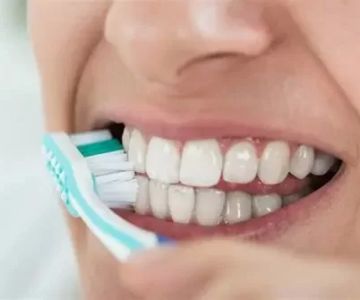
When the first tooth appears—usually between 6 to 10 months—switch to a soft-bristled baby toothbrush. Brush gently using water only until your pediatric dentist recommends introducing fluoride toothpaste in very small amounts.
3. Transitioning to fluoride toothpaste
Fluoride helps strengthen enamel and protect against decay. By age two, most dentists recommend using a smear no larger than a grain of rice. Always supervise brushing to prevent swallowing toothpaste.
Understanding Common Infant Oral Health Issues
Even with diligent care, some infants may experience oral health challenges. Recognizing early warning signs allows for prompt treatment and prevents more serious problems.
Teething discomfort
Teething can cause fussiness, drooling, and chewing on objects. Provide clean, chilled (not frozen) teething rings or a cool washcloth for relief. Avoid teething gels that contain benzocaine, as they are not safe for infants.
Early childhood cavities
Also known as “baby bottle tooth decay,” this condition often occurs when babies fall asleep with milk or juice in their mouths. Avoid prolonged nighttime bottle use, and wipe or brush teeth after feedings.
Oral thrush
Thrush is a yeast infection that can develop in an infant’s mouth, often appearing as white patches on the tongue or cheeks. It may require antifungal medication prescribed by your pediatrician or dentist.
Real-Life Example: Emma’s First Dental Visit
Emma was just 12 months old when her parents noticed a faint white spot on her top front tooth. Concerned, they scheduled an appointment with a pediatric dentist. The dentist diagnosed early demineralization and advised simple changes: wiping her teeth after nighttime nursing and switching to a fluoride toothpaste. Six months later, her teeth were strong and healthy—proof that early intervention works.
Lessons from Emma’s story
This case highlights the importance of routine dental checkups for infants, even before major problems develop. Early visits can prevent costly treatments later.
When to Schedule Your Baby’s First Dental Visit
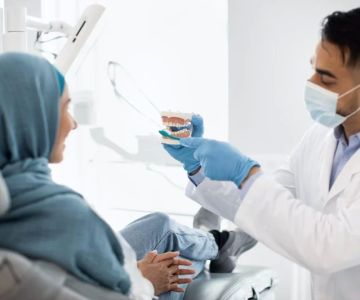
The American Academy of Pediatric Dentistry recommends that infants see a dentist by their first birthday or within six months of their first tooth appearing. This initial appointment allows the dentist to check for developmental issues, provide guidance on oral care, and answer any questions you may have.
Building a positive dental experience
Choose a pediatric dental clinic that specializes in making young children feel comfortable. Early positive experiences help ensure that dental visits remain stress-free as your child grows.
Expert Tips for Lifelong Healthy Smiles
Maintaining your infant’s oral hygiene is about more than just cleaning—it’s about instilling habits that will last a lifetime. From proper brushing techniques to making dental visits a positive experience, your efforts now will pay off for years to come.
Partnering with professionals
For personalized guidance, Family Dentistry Online can connect you with trusted providers who specialize in infant dental care, ensuring your child gets the best possible start toward a healthy smile.


 Village Dental - North Raleigh4.0 (1577 review)
 Dental Health Associates, P.A.3.0 (355 review)
 Maine Orthodontics5.0 (2 review)
 Schuller Dental5.0 (196 review)
 Reichheld Ting Orthodontics - Westford5.0 (308 review)
 HealthPartners Dental Clinic St. Paul2.0 (16 review)
 The Importance of Oral Health Education During Pregnancy for a Healthy Pregnancy
 Best Tips for Brushing Your Teeth Properly for Healthy Gums: Essential Techniques for Oral Health
 Why Skipping Dental Checkups Can Lead to Bigger Oral Health Problems
 Advantages of Porcelain Dental Restorations
 How Can Diabetes Cause Tooth and Gum Problems? Preventing and Managing Oral Health Issues
 Healthy Habits for Promoting Good Oral Health and Hygiene: Tips for a Healthy Smile