
Understanding the Importance of Oral Hygiene
Maintaining good oral hygiene is more than just keeping your smile bright—it plays a crucial role in your overall health. Poor oral hygiene can lead to tooth decay, gum disease, and even impact conditions such as heart disease and diabetes. For Americans, where diet and lifestyle can sometimes challenge dental health, developing a reliable oral hygiene routine is essential.
Oral hygiene involves daily practices that remove plaque, bacteria, and food debris from the teeth and gums. The goal is to prevent cavities, bad breath, and gum inflammation, ensuring a healthy mouth that supports overall wellness.
Daily Oral Hygiene Practices for Effective Care
1. Brushing Properly and Regularly
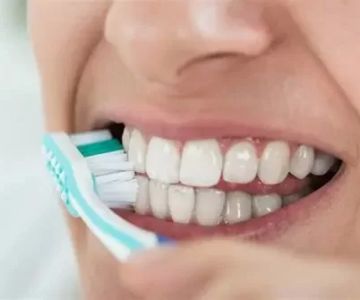
Brushing your teeth at least twice a day with fluoride toothpaste is foundational. Use a soft-bristled toothbrush and gentle circular motions to clean all tooth surfaces. Many people rush through brushing, but spending two full minutes ensures plaque removal and fresh breath.
Electric toothbrushes can enhance effectiveness by providing consistent motion, especially for those with limited manual dexterity. Remember to replace your toothbrush or brush head every three to four months to maintain optimal cleaning power.
2. Flossing to Reach What Brushing Misses
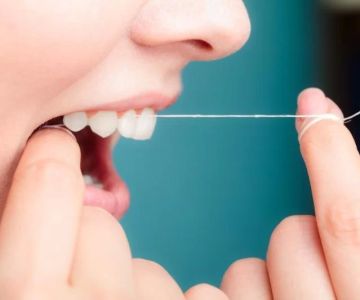
Flossing daily removes plaque and food particles trapped between teeth and under the gum line where brushes can’t reach. Skipping flossing increases the risk of gum disease and cavities in these hidden areas.
For beginners, floss picks or water flossers offer easier alternatives to traditional floss. The key is consistency—making flossing a daily habit supports healthy gums and prevents inflammation.
3. Using Mouthwash Wisely
Antibacterial mouthwashes help reduce plaque and freshen breath, complementing brushing and flossing. Choose an alcohol-free formula if you have sensitive gums or dry mouth. Mouthwash should not replace mechanical cleaning but serves as an effective adjunct to your oral hygiene routine.
Diet, Lifestyle, and Oral Hygiene Connection
4. Eating for Your Teeth
What you eat significantly affects your oral health. Sugary and acidic foods promote tooth decay by feeding harmful bacteria. Incorporating crunchy fruits and vegetables stimulates saliva production, which naturally protects teeth and washes away food particles.
Calcium-rich foods like dairy support strong teeth, while avoiding excessive snacking reduces the frequency of acid attacks on enamel. Hydration is also key—water helps maintain saliva flow and neutralizes acids.
5. Habits That Harm Your Oral Health
Smoking and excessive alcohol consumption are major risk factors for gum disease and oral cancer. Limiting these habits improves healing and reduces the risk of severe dental issues. Additionally, avoiding teeth grinding and using protective gear during sports prevents physical damage.
Regular Dental Visits: The Cornerstone of Oral Health
6. Professional Cleanings and Exams
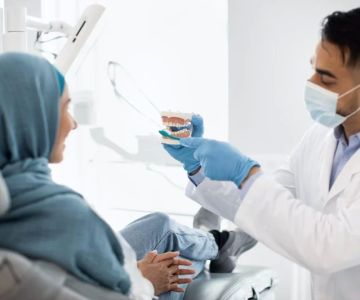
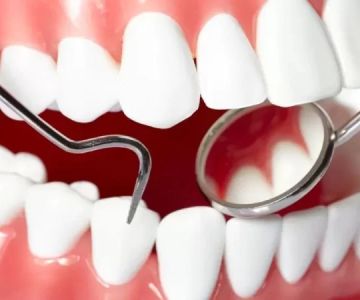
Visiting the dentist every six months allows for professional cleanings that remove tartar buildup and early detection of dental problems. Regular exams ensure cavities, gum disease, and oral cancers are caught early when treatment is most effective.
Dental professionals also provide personalized advice on oral hygiene techniques and may recommend treatments such as fluoride applications or sealants to protect teeth.
7. Addressing Common Oral Health Concerns
Many people experience issues like sensitive teeth, bleeding gums, or persistent bad breath. These symptoms often signal underlying problems that require professional attention. Ignoring these signs can lead to worsening conditions.
Effective oral hygiene combined with timely dental care helps manage and prevent these issues, maintaining a healthy and confident smile.
Stories of Oral Hygiene Success
Consider Emily, who struggled with frequent cavities due to poor brushing habits. After adopting a comprehensive oral hygiene routine and regular dental visits, her oral health dramatically improved. She now enjoys fewer dental problems and greater confidence in her smile.
Such personal transformations highlight how commitment to daily care and professional support can change oral health outcomes significantly.
For expert guidance, professional services, and trusted dental products, visit Dentistry Toothtruth to help you keep your oral hygiene at its best.


 Bella Smiles: Diana Pop, DDS0.0 (0 review)
 New Leaf Pediatric Dentistry5.0 (22 review)
 Small World Dental - Pediatric Dentist and Orthodontist4.0 (1469 review)
 Community Dental of Burlington4.0 (281 review)
 Willow Bend Dental Care4.0 (112 review)
 Dr. Howard Chen3.0 (5 review)
 The Importance of Oral Health Education During Pregnancy for a Healthy Pregnancy
 Best Tips for Brushing Your Teeth Properly for Healthy Gums: Essential Techniques for Oral Health
 Why Skipping Dental Checkups Can Lead to Bigger Oral Health Problems
 Advantages of Porcelain Dental Restorations
 How Can Diabetes Cause Tooth and Gum Problems? Preventing and Managing Oral Health Issues
 Healthy Habits for Promoting Good Oral Health and Hygiene: Tips for a Healthy Smile