
Why Oral Hygiene Is More Challenging with Braces
Braces are an incredible tool for creating a beautiful, aligned smile, but they also make oral hygiene more complex. The brackets and wires create additional surfaces where food particles and plaque can accumulate. This buildup can lead to staining, cavities, or even gum inflammation if not managed properly. Many patients share stories of being surprised at their first orthodontic cleaning, noticing how quickly plaque builds up even when they thought they were brushing well.
1. The Right Way to Brush with Braces
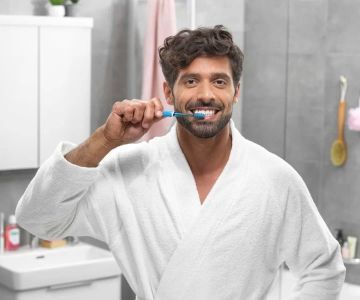
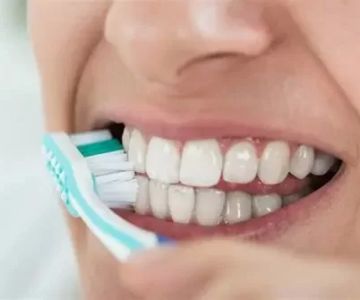
Brushing with braces isn’t just about frequency—it’s also about technique. Using a soft-bristled toothbrush or an orthodontic-specific brush, angle the bristles both above and below the brackets. Spend extra time along the gumline and behind the wires to remove hidden debris. Dentists often recommend brushing for at least two minutes after every meal, which can feel excessive but pays off in protecting enamel. Many families invest in electric toothbrushes with orthodontic heads to simplify the process, particularly for teens who may rush through daily care.
2. Flossing and Interdental Cleaning
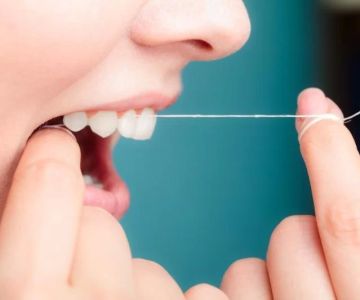
Flossing with braces can seem impossible at first, but with patience and the right tools, it becomes manageable. Floss threaders and orthodontic flossers allow you to guide the floss behind each wire. Water flossers have also become a game-changer, shooting a pressurized stream of water between teeth to remove food and plaque. One parent shared how their child resisted flossing until they introduced a water flosser, which transformed the experience from a chore into a fun, daily routine.
3. Choosing the Right Mouthwash
Incorporating an antimicrobial or fluoride mouthwash into your daily routine strengthens enamel and helps reduce bacteria that brushing alone may not eliminate. Orthodontists often suggest fluoride rinses to protect against decalcification—the white spots that can form around braces if plaque is left untreated. This step is especially helpful for teenagers or busy adults who occasionally rush their cleaning routine.
4. Foods to Avoid for Better Oral Hygiene
Sticky, hard, or sugary foods not only risk breaking brackets but also contribute to plaque buildup. Caramel, chewing gum, and popcorn are among the most notorious offenders. One college student recalled breaking a bracket on hard candy just before finals week, resulting in an emergency orthodontic appointment. Avoiding these foods not only saves you hassle but also keeps your teeth and braces cleaner in the long run.
5. Regular Dental and Orthodontic Visits
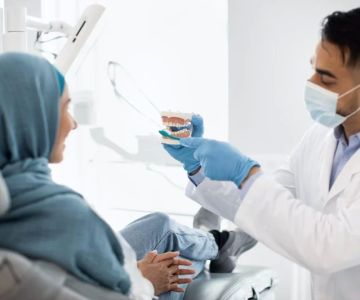
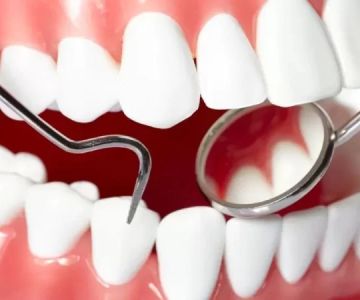
Even with perfect at-home care, regular professional check-ups are crucial. Dentists and orthodontists can identify early signs of decay, gum issues, or orthodontic complications. Professional cleanings also remove tartar buildup that even the most diligent brushing cannot eliminate. At Family Dentistry Online, many patients are guided on personalized oral hygiene routines tailored to their braces type and lifestyle, helping them avoid common pitfalls.
6. Creating a Consistent Routine
Consistency is the backbone of successful oral hygiene with braces. Developing habits like carrying a travel toothbrush, keeping floss picks in your bag, or rinsing with water after meals ensures small steps add up to big results. Many patients say that the discipline they learned while wearing braces carried over into long-term oral health habits, even years after treatment ended.
7. The Psychological Benefit of Good Hygiene
Maintaining clean braces not only prevents dental issues but also boosts confidence. People with braces often worry about visible food particles when smiling or talking. By keeping a strict hygiene routine, you can focus on enjoying social moments instead of worrying about your appearance. Patients often describe the relief and pride they feel when their orthodontist comments on how well they’ve cared for their teeth throughout treatment.
8. Long-Term Rewards of Diligent Oral Care
The effort invested in keeping braces clean directly impacts the final result. Proper hygiene ensures not only straight teeth but also a healthy mouth free from decay or discoloration. Many adults who once neglected their braces hygiene regret dealing with permanent stains, while those who took their care seriously enjoy stunning smiles. With persistence, the reward at the end of orthodontic treatment is not just alignment—it’s overall oral health that lasts a lifetime.

 Miracle Mile Comprehensive Dental Center4.0 (82 review)
 Midland Park Family Dentistry5.0 (447 review)
 Absolute Dental - Lake Mead4.0 (332 review)
 Brandon L. Cairo, DMD, PC5.0 (103 review)
 Desire Dental Care4.0 (257 review)
 Metro Smiles Gage Park2.0 (36 review)
 The Importance of Oral Health Education During Pregnancy for a Healthy Pregnancy
 Best Tips for Brushing Your Teeth Properly for Healthy Gums: Essential Techniques for Oral Health
 Why Skipping Dental Checkups Can Lead to Bigger Oral Health Problems
 Advantages of Porcelain Dental Restorations
 How Can Diabetes Cause Tooth and Gum Problems? Preventing and Managing Oral Health Issues
 Healthy Habits for Promoting Good Oral Health and Hygiene: Tips for a Healthy Smile