
Understanding Oral Hygiene: The Foundation for Healthy Teeth
Oral hygiene is crucial not only for the health of your teeth but for your overall well-being. We often think of brushing and flossing as the main ways to maintain good oral hygiene, but there are many other aspects that contribute to a healthy mouth. In this article, I'll dive deep into the best practices for improving oral hygiene, how simple lifestyle changes can make a significant difference, and the importance of consistent care.
1. Brushing Your Teeth the Right Way
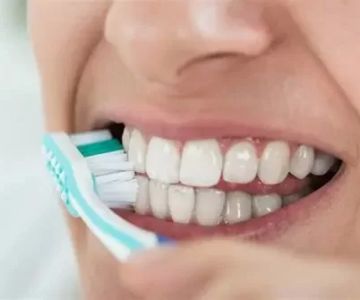
One of the most fundamental aspects of oral hygiene is brushing your teeth, but did you know that there's a right way to do it? Brushing for two minutes, twice a day, is essential to remove plaque and prevent cavities. It’s important to use a soft-bristled toothbrush and fluoride toothpaste. Gentle, circular motions are more effective than vigorous scrubbing, which can damage your gums and enamel. A common mistake is rushing through brushing, which results in incomplete cleaning.
2. Don't Skip Flossing
While brushing removes plaque from the surfaces of your teeth, flossing gets rid of the debris and plaque that accumulate between your teeth. These areas are hard to reach with a toothbrush alone. I know that many people skip flossing, thinking it’s unnecessary, but it’s actually crucial for preventing gum disease and cavities. Using floss at least once a day can significantly improve your gum health.
3. Use Mouthwash for a Fresh Finish
Another great way to enhance your oral hygiene is by incorporating mouthwash into your routine. Mouthwash can reach areas that brushing and flossing miss, providing an extra layer of protection. Look for an antimicrobial mouthwash that helps to kill bacteria, reduce plaque, and freshen your breath. It’s a quick and easy step that offers great benefits, especially after meals or throughout the day when brushing isn't convenient.
4. Maintain a Healthy Diet for Oral Health
What you eat plays a significant role in the health of your teeth and gums. A balanced diet rich in vitamins and minerals helps strengthen your teeth and gums, while sugary foods and drinks contribute to tooth decay. Avoiding excessive snacking, especially on sugary or acidic foods, can significantly reduce your risk of cavities. Additionally, drinking water throughout the day helps wash away food particles and bacteria, keeping your mouth hydrated and healthy.
5. Regular Dental Check-ups Are Essential
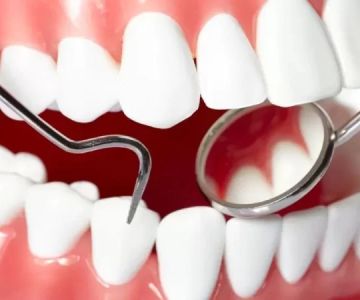
Even with the best at-home care, it’s essential to visit your dentist regularly for professional cleanings and check-ups. Your dentist can catch early signs of dental problems like cavities, gum disease, or oral cancer, and address them before they become serious issues. Regular cleanings help remove tartar buildup that brushing and flossing alone can’t remove. I personally make sure to schedule my visits every six months—it's a small investment for long-term oral health.
6. Protect Your Teeth with Sealants and Fluoride
For extra protection, consider using fluoride treatments and dental sealants. Fluoride helps strengthen tooth enamel, making it more resistant to cavities. Dental sealants, which are thin protective coatings applied to the chewing surfaces of back teeth, can prevent decay in deep grooves. If you're prone to cavities or have children, these treatments can be highly beneficial in safeguarding your teeth from future damage.
7. Don't Forget About Your Tongue
Your tongue is another important part of your oral hygiene routine. Bacteria can accumulate on your tongue, leading to bad breath and an increased risk of oral infections. I recommend gently brushing your tongue with your toothbrush or using a tongue scraper. This simple step can make a big difference in your overall oral cleanliness and contribute to fresher breath.
8. Stay Hydrated
Hydration plays a key role in maintaining healthy oral hygiene. Saliva is your mouth’s natural defense against cavities and plaque. Drinking plenty of water throughout the day helps stimulate saliva production, keeping your mouth moist and rinsing away food particles and bacteria. This is especially important if you drink coffee or soda, as these beverages can dry out your mouth and lead to cavities.
Conclusion: A Holistic Approach to Oral Hygiene
Maintaining good oral hygiene is a combination of daily habits, smart choices, and regular visits to the dentist. By brushing correctly, flossing, using mouthwash, maintaining a healthy diet, and staying hydrated, you can significantly improve the health of your teeth and gums. Remember, it’s not just about preventing bad breath—it’s about ensuring the long-term health of your teeth and overall well-being. So, take care of your smile with consistent and mindful oral hygiene habits.




 Bella Smiles: Diana Pop, DDS0.0 (0 review)
 New Leaf Pediatric Dentistry5.0 (22 review)
 Small World Dental - Pediatric Dentist and Orthodontist4.0 (1469 review)
 Community Dental of Burlington4.0 (281 review)
 Willow Bend Dental Care4.0 (112 review)
 Dr. Howard Chen3.0 (5 review)
 The Importance of Oral Health Education During Pregnancy for a Healthy Pregnancy
 Best Tips for Brushing Your Teeth Properly for Healthy Gums: Essential Techniques for Oral Health
 Why Skipping Dental Checkups Can Lead to Bigger Oral Health Problems
 Advantages of Porcelain Dental Restorations
 How Can Diabetes Cause Tooth and Gum Problems? Preventing and Managing Oral Health Issues
 Healthy Habits for Promoting Good Oral Health and Hygiene: Tips for a Healthy Smile