
Understanding the Importance of Oral Hygiene at Home
Maintaining good oral hygiene is essential not only for a bright smile but also for overall health. Poor oral care can lead to problems like cavities, gum disease, bad breath, and even more serious health issues such as heart disease or diabetes complications. Most Americans understand the importance of brushing, but the true secret to optimal oral health lies in a well-rounded, consistent routine practiced at home every day.
One inspiring story comes from Sarah, a busy working mom in Chicago, who struggled with frequent dental visits due to cavities. After educating herself on better oral hygiene habits, she changed her routine and saw a remarkable improvement in her dental health within months. Her story highlights how small but consistent changes can make a big difference.
Effective Steps to Enhance Your Oral Hygiene Routine
1. Brush Thoroughly and Correctly Twice a Day
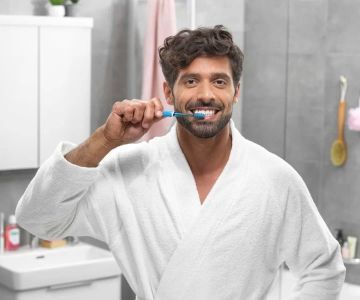
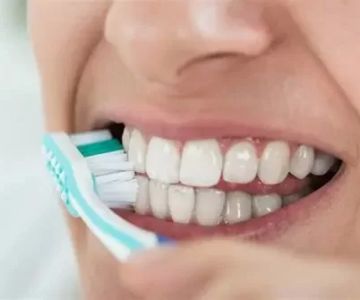
The foundation of any oral hygiene routine is proper brushing. Use a fluoride toothpaste and a soft-bristled toothbrush. Brush for at least two minutes, covering all tooth surfaces including the backs and chewing surfaces. Don't rush this process—many people brush too quickly or miss certain areas, which can lead to plaque buildup.
Electric toothbrushes have been shown to improve plaque removal compared to manual brushes, especially for those who find it difficult to brush thoroughly. For those who want to upgrade their routine, this is a simple change that can bring significant benefits.
2. Floss Daily to Remove Hidden Plaque
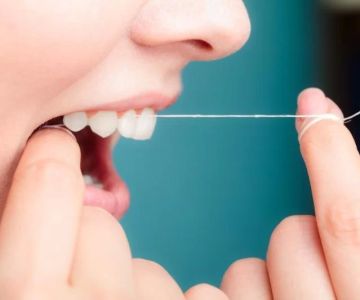
Brushing alone cannot reach the spaces between teeth where food particles and plaque accumulate. Daily flossing helps prevent gum disease and cavities by cleaning these tight spaces. Many people neglect flossing or do it incorrectly, so it’s important to learn the proper technique: gently slide the floss up and down the sides of each tooth without snapping it into the gums.
For people who find flossing tricky, interdental brushes or water flossers are effective alternatives that make the process easier and more enjoyable.
3. Use Mouthwash for Extra Protection
Incorporating an antimicrobial or fluoride mouthwash into your oral hygiene routine can provide additional protection. Mouthwash helps reduce bacteria that cause plaque and gingivitis, and fluoride strengthens enamel. However, mouthwash should complement brushing and flossing, not replace them.
Choosing an alcohol-free mouthwash is advisable for people with sensitive mouths or dry mouth issues, common in many adults and older individuals.
Nutrition and Lifestyle Habits That Support Oral Health
4. Maintain a Balanced Diet Rich in Teeth-Friendly Nutrients
What you eat has a direct impact on your oral health. Sugary and acidic foods increase the risk of tooth decay, so limiting these is key. Instead, focus on foods rich in calcium, vitamin D, and phosphorus, which help keep teeth strong and gums healthy. Dairy products, leafy greens, nuts, and fish are excellent choices.
Drinking plenty of water throughout the day also aids oral health by washing away food debris and keeping saliva levels adequate. Saliva naturally protects teeth from decay and infections.
5. Avoid Tobacco and Limit Alcohol Consumption
Tobacco use significantly increases the risk of gum disease, oral cancers, and staining. Quitting smoking or chewing tobacco is one of the best ways to improve your oral health. Similarly, excessive alcohol consumption can dry out your mouth and contribute to dental problems.
Additional Tips and Habits for Lasting Oral Health
6. Replace Your Toothbrush Regularly
Worn toothbrush bristles are less effective at cleaning teeth. Replace your toothbrush every three to four months or sooner if bristles are frayed. This simple habit ensures your brushing remains efficient and hygienic.
7. Schedule Regular Dental Checkups and Cleanings
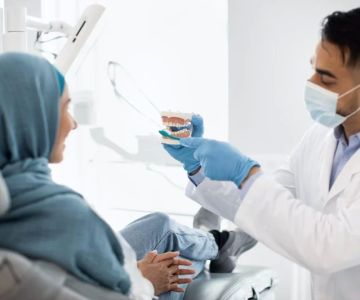
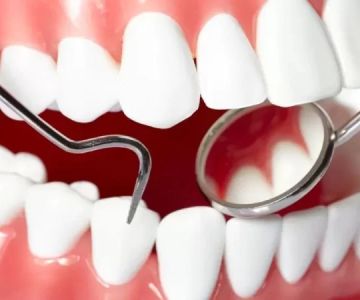
Even with excellent home care, professional dental visits are necessary to catch problems early and keep your mouth healthy. Dentists can remove tartar buildup that cannot be removed by brushing or flossing alone and provide personalized advice based on your specific needs.
8. Be Mindful of Oral Hygiene for Children
Instilling good oral care habits early helps children maintain healthy teeth into adulthood. Teaching kids proper brushing and flossing techniques, along with limiting sugary snacks, sets the foundation for a lifetime of healthy smiles.
How Modern Technology Can Support Your Oral Hygiene Goals
Technology has made oral hygiene more accessible and engaging. Smart toothbrushes track brushing habits and provide real-time feedback through smartphone apps. These tools help users improve their technique and stay motivated.
One example is a young man from Austin who used a smart toothbrush after years of struggling with cavities. The app's reminders and progress tracking encouraged him to brush properly and regularly, leading to a drastic reduction in dental issues over time.
For personalized oral care advice and to explore the best oral health products and services available in the US, visit Dentistry Toothtruth. Their expert recommendations can guide you to the solutions that fit your needs best.

 AC Dental4.0 (145 review)
 Pasternack Pediatric Dental4.0 (40 review)
 Aspen Dental - Glendale, AZ4.0 (602 review)
 Holistic Dental Wellness Center - Iman Abdeshahian, DMD4.0 (166 review)
 Impressive Smiles4.0 (466 review)
 Crown Point Dental Care4.0 (453 review)
 The Importance of Oral Health Education During Pregnancy for a Healthy Pregnancy
 Best Tips for Brushing Your Teeth Properly for Healthy Gums: Essential Techniques for Oral Health
 Why Skipping Dental Checkups Can Lead to Bigger Oral Health Problems
 Advantages of Porcelain Dental Restorations
 How Can Diabetes Cause Tooth and Gum Problems? Preventing and Managing Oral Health Issues
 Healthy Habits for Promoting Good Oral Health and Hygiene: Tips for a Healthy Smile